
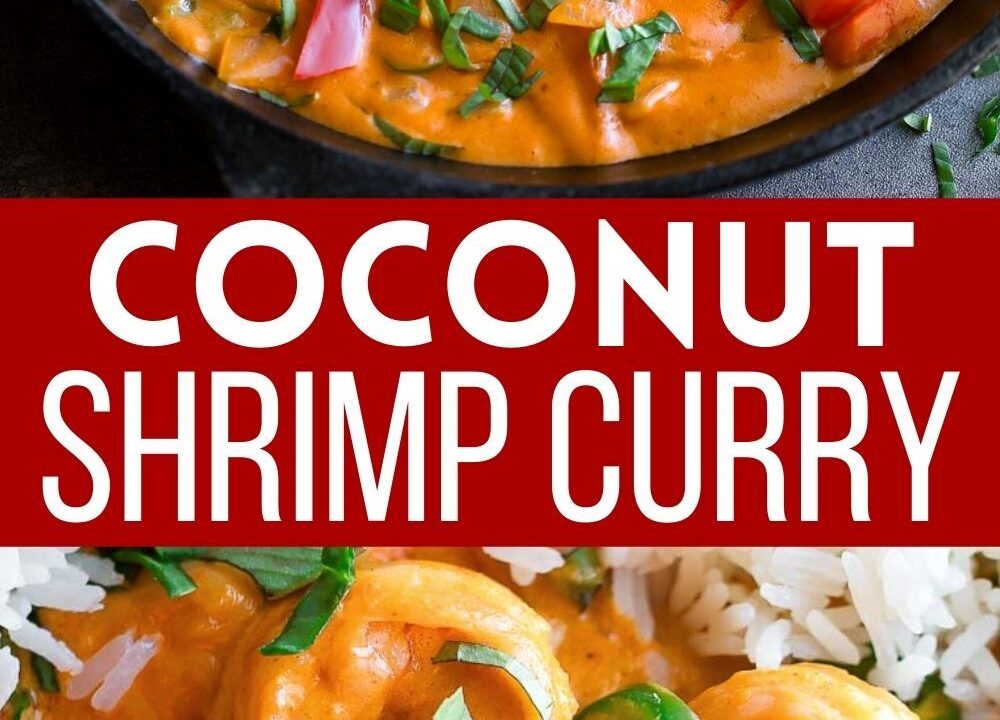
This curry starts with fat shrimp and a spoon of red paste, not a long ingredient list. You brown the shrimp for ninety seconds, pull them out, then build the sauce in the same pan. The shrimp return at the end, so they stay tender instead of turning to rubber.
Weigh the paste and the coconut milk and the result is repeatable. Volume measures work, but a scale settles the argument about how thick the sauce gets. The whole pan takes thirty-five minutes at a simmer, and most of that is waiting.
Serve it over jasmine rice with lime on the side. The sauce is rich, so a squeeze of acid at the table matters more than you think.
Why You'll Love This Recipe
About the Ingredients
700 g (about 1 1/2 lb) large raw shrimp, peeled and deveined
Buy frozen shrimp labeled 21/25 count and thaw overnight in the fridge; deveined tail-on saves ten minutes of prep. Substitute with firm white fish chunks if shrimp is unavailable.
400 ml (1 3/4 cups) full-fat coconut milk
Shake the can hard before opening; full-fat gives body that light coconut milk cannot. Substitute coconut cream for a thicker sauce, thinning with two tablespoons of water.
3 tbsp (45 g) Thai red curry paste
Check the label for shrimp paste if you avoid shellfish; Mae Ploy and Maesri are reliable brands. Substitute massaman paste for a milder, sweeter profile.
1 tbsp (15 ml) neutral oil, such as canola
High smoke point matters here because the paste scorches fast. Substitute coconut oil, but keep the heat lower.
1 medium onion, about 150 g, thinly sliced
Yellow onion is standard; shallots give a sweeter, finer result. Substitute two shallots, about 120 g total.
3 cloves garlic, about 12 g, minced
Fresh garlic only; jarred garlic tastes flat after simmering. Substitute 1 tsp garlic powder added with the paste.
1 tbsp (15 g) fish sauce
Red Boat is the cleanest-tasting option. Substitute soy sauce for a vegetarian version, using 1 1/2 tbsp.
1 tbsp (12 g) brown sugar
Palm sugar is traditional and rounder in flavor. Substitute light brown sugar, packed.
200 g (1 1/2 cups) cherry tomatoes, halved
Halving them releases sweetness into the sauce. Substitute a diced red bell pepper, about 150 g, added two minutes earlier.
1 red bell pepper, about 150 g, sliced into strips
Cut strips the same width so they cook evenly. Substitute snap peas for crunch, added in the last three minutes.
1 tbsp (15 ml) fresh lime juice, plus wedges to serve
Add lime off the heat; boiling dulls the aroma. Substitute lemon juice in a pinch.
15 g (1/2 cup loosely packed) Thai basil leaves
Stir in at the end; heat destroys the anise note. Substitute regular basil with a pinch of mint.
Tips & Tricks
Do Not Boil the Coconut Milk
Keep the sauce at a bare simmer, around 90°C (195°F); a rolling boil splits the fat and leaves an oily surface.
Cook Shrimp in Two Stages
Sear them first, remove them, and return them at the end; they finish in the residual heat of the sauce.
Taste Before Adding Salt
Fish sauce is salty and varies by brand, so season after the sauce thickens, not before.
Bloom the Paste Properly
Fry the paste in oil for sixty seconds until it darkens and smells nutty; raw paste tastes flat and chalky.
Pro Tips
Step-by-Step Instructions
1. Prep the Shrimp
Pat 700 g shrimp dry and season lightly with salt. Dry shrimp sear instead of steaming, which keeps them firm.
2. Sear the Shrimp
Heat 1 tbsp oil in a wide skillet over medium-high heat, 200°C (400°F), and sear the shrimp for 90 seconds per side. They are done when the edges turn opaque pink and the center reads 54°C (130°F); they will finish cooking later.
3. Remove and Reserve
Transfer the shrimp to a plate and set aside. They carry-over cook on the plate, so pull them slightly underdone.
4. Bloom the Paste
Lower the heat to medium, 175°C (350°F), add the onion and cook for 4 minutes until translucent. Add the garlic and 3 tbsp curry paste and fry for 60 seconds until the paste darkens and smells nutty.
5. Build the Sauce
Pour in 400 ml coconut milk and stir to dissolve the paste. Bring to a bare simmer, 90°C (195°F), and cook for 5 minutes until the surface bubbles gently at the edges.
6. Add Vegetables
Add the bell pepper and cherry tomatoes and simmer for 6 minutes. The pepper should bend slightly and the tomatoes should slump but hold their shape.
7. Season the Sauce
Stir in 1 tbsp fish sauce and 1 tbsp brown sugar. Taste and adjust; the sauce should be salty first, sweet second, with heat at the back.
8. Return the Shrimp
Add the shrimp and any juices and simmer for 2 minutes, no more. The shrimp are done when they curl into a loose C and reach 63°C (145°F) internally.
9. Finish with Lime and Basil
Pull the pan off the heat and stir in 1 tbsp lime juice and 15 g Thai basil. Serve immediately over rice with lime wedges.
Delicious Variations
Green Curry Version
Swap red paste for green and add 100 g sliced zucchini with the peppers.
Vegetarian Tofu Curry
Replace shrimp with 400 g pressed firm tofu, seared the same way, and use soy sauce instead of fish sauce.
Extra-Creamy Restaurant Style
Stir 3 tbsp coconut cream into the finished sauce off the heat for a thicker, glossier body.
How to Store Thai Inspired Coconut Shrimp Curry Recipe
Refrigerator
Store in an airtight container for up to 3 days; the sauce thickens when cold, so loosen with a splash of water.
Freezer
Freeze the sauce without the shrimp for up to 2 months; add fresh-cooked shrimp when reheating.
Reheating
Reheat gently over medium-low heat, 150°C (300°F), for 4 to 5 minutes, stirring often; do not boil or the shrimp toughen.
Frequently Asked Questions
Q: Can I use frozen shrimp for this curry?
Yes, frozen shrimp work well if you thaw them fully and pat them dry first. Thaw overnight in the fridge, then dry on paper towels so they sear rather than steam.
Q: Why did my coconut curry sauce split?
The sauce split because it boiled rather than simmered. Keep the heat at a bare simmer, around 90°C (195°F), and stir the coconut milk in gradually so the fat stays emulsified.
Q: How do I know when the shrimp are cooked?
The shrimp are cooked when they curl into a loose C shape and reach 63°C (145°F) internally. A tight O shape means they are overcooked and will be rubbery.
Q: Can I make this coconut shrimp curry ahead of time?
You can make the sauce up to 2 days ahead and refrigerate it, then cook the shrimp fresh when serving. Shrimp held overnight in sauce lose their texture.
Q: Is red curry paste very spicy?
Red curry paste is moderately spicy, and 3 tablespoons in this quantity gives a warm medium heat. Start with 2 tablespoons if you are heat-sensitive, then taste and adjust.
Weigh the paste and the coconut milk, keep the pan at a bare simmer, and pull the shrimp early. Make it once and the timing becomes yours. Weigh, watch, repeat.
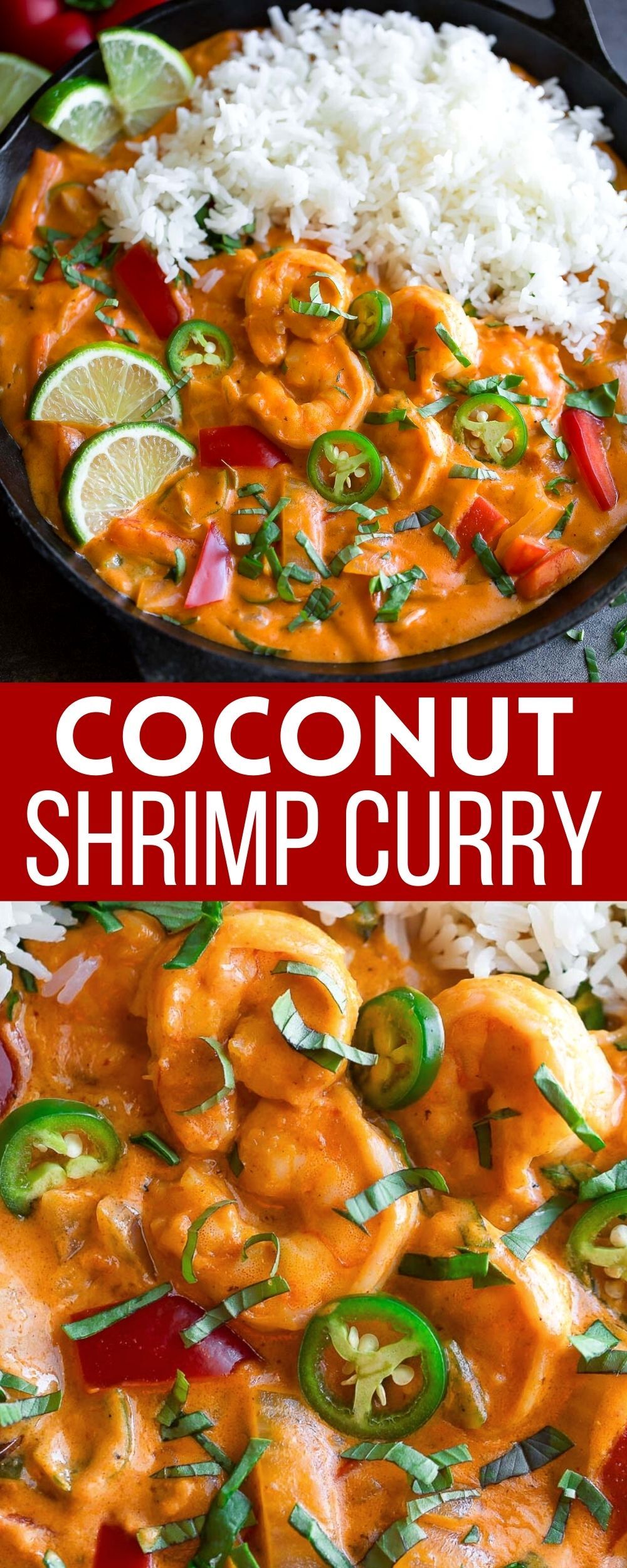
Thai Inspired Coconut Shrimp Curry Recipe
This Thai inspired coconut shrimp curry simmers plump shrimp in a creamy red curry sauce with lime and basil for a fast, restaurant-style dinner.
🧂 Ingredients
- 700 g (about 1 1/2 lb) large raw shrimp, peeled and deveined
- 400 ml (1 3/4 cups) full-fat coconut milk
- 3 tbsp (45 g) Thai red curry paste
- 1 tbsp (15 ml) neutral oil, such as canola
- 1 medium onion, about 150 g, thinly sliced
- 3 cloves garlic, about 12 g, minced
- 1 tbsp (15 g) fish sauce
- 1 tbsp (12 g) brown sugar
- 200 g (1 1/2 cups) cherry tomatoes, halved
- 1 red bell pepper, about 150 g, sliced into strips
- 1 tbsp (15 ml) fresh lime juice, plus wedges to serve
- 15 g (1/2 cup loosely packed) Thai basil leaves
📋 Instructions
- 1Prep the Shrimp — Pat 700 g shrimp dry and season lightly with salt. Dry shrimp sear instead of steaming, which keeps them firm.
- 2Sear the Shrimp — Heat 1 tbsp oil in a wide skillet over medium-high heat, 200°C (400°F), and sear the shrimp for 90 seconds per side. They are done when the edges turn opaque pink and the center reads 54°C (130°F); they will finish cooking later.
- 3Remove and Reserve — Transfer the shrimp to a plate and set aside. They carry-over cook on the plate, so pull them slightly underdone.
- 4Bloom the Paste — Lower the heat to medium, 175°C (350°F), add the onion and cook for 4 minutes until translucent. Add the garlic and 3 tbsp curry paste and fry for 60 seconds until the paste darkens and smells nutty.
- 5Build the Sauce — Pour in 400 ml coconut milk and stir to dissolve the paste. Bring to a bare simmer, 90°C (195°F), and cook for 5 minutes until the surface bubbles gently at the edges.
- 6Add Vegetables — Add the bell pepper and cherry tomatoes and simmer for 6 minutes. The pepper should bend slightly and the tomatoes should slump but hold their shape.
- 7Season the Sauce — Stir in 1 tbsp fish sauce and 1 tbsp brown sugar. Taste and adjust; the sauce should be salty first, sweet second, with heat at the back.
- 8Return the Shrimp — Add the shrimp and any juices and simmer for 2 minutes, no more. The shrimp are done when they curl into a loose C and reach 63°C (145°F) internally.
- 9Finish with Lime and Basil — Pull the pan off the heat and stir in 1 tbsp lime juice and 15 g Thai basil. Serve immediately over rice with lime wedges.

Tomasz writes precise, method-first recipes for breads, ferments, and slow braises, drawing on Polish and Central European home cooking. He cares about weights, temperatures, and timing, and explains the reason behind each step so cooks can repeat results. His angle is turning fussy techniques into clear, checkable instructions.