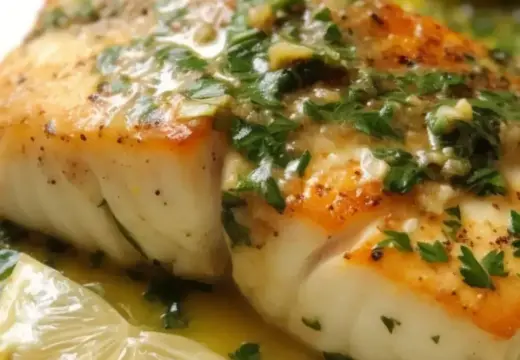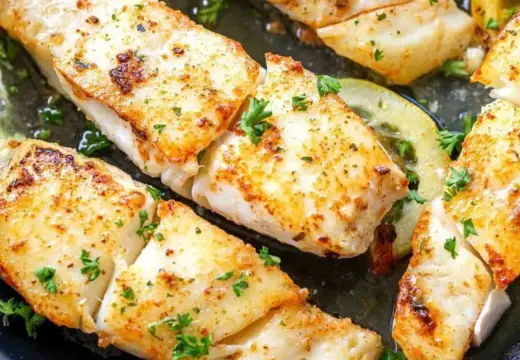
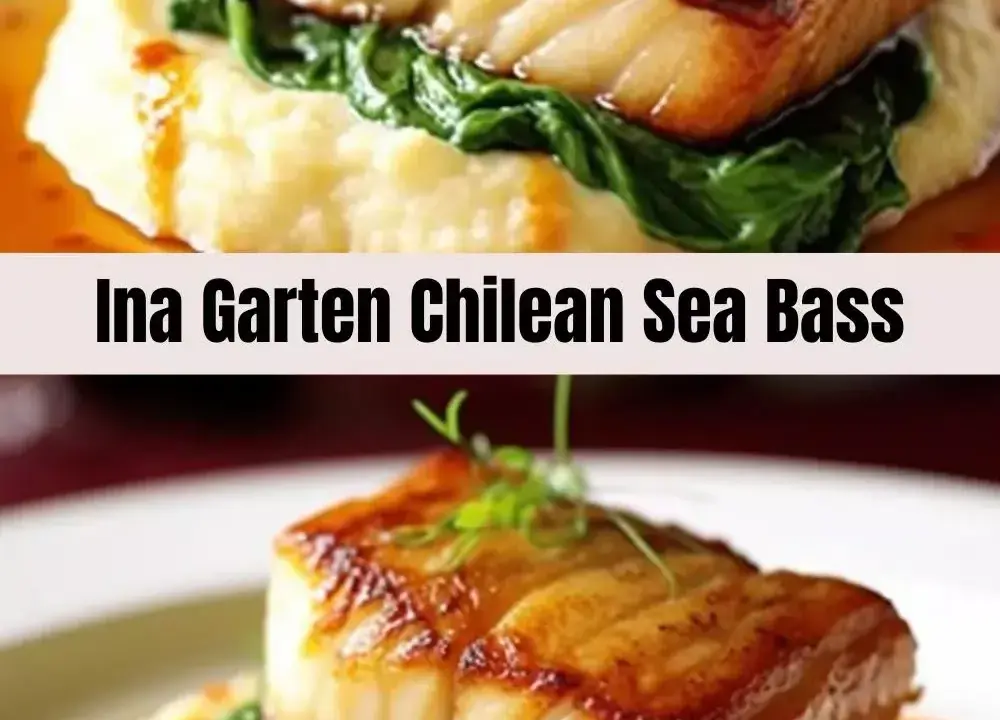
Ina Garten Chilean Sea Bass is a baked fillet with a mustard-lemon glaze and a coarse breadcrumb topping. The fish stays moist because the coating insulates it from the oven heat.
You weigh the fish, pat it dry, and season it early. Dry surface means the crumbs adhere and brown. Wet fillet steams and slides.
The whole tray goes into a 220 C (425 F) oven for 20 minutes. You pull it when the center reads 60 C (140 F) on an instant-read thermometer.
Why You'll Love This Recipe
About the Ingredients
6 Chilean sea bass fillets, about 170 g (6 oz) each, 1.02 kg total
Buy thick center-cut pieces of even thickness so they cook at the same rate. Cod or halibut work as substitutes at the same weight.
30 g (2 tbsp) Dijon mustard
Dijon binds the crumbs and adds tang. Use whole-grain mustard for a coarser texture and milder heat.
15 g (1 tbsp) fresh lemon juice
Fresh juice only; bottled tastes flat. One medium lemon yields about 45 ml (3 tbsp), enough for juice and zest.
60 g (4 tbsp) unsalted butter, melted
Melt and cool slightly so it does not cook the crumbs. Salted butter works if you cut the added salt in half.
60 g (3/4 cup) panko breadcrumbs
Panko stays crisp longer than fine crumbs. Crush plain crackers as a substitute at the same weight.
10 g (2 tbsp) finely grated Parmesan
Parmesan adds a savory note and helps the crust set. Pecorino is sharper; use 8 g (1 1/2 tbsp).
5 g (1 tbsp) chopped fresh parsley
Flat-leaf parsley tastes cleaner than curly. Chop just before use to keep the color green.
3 g (1/2 tsp) fine sea salt
Fine salt dissolves evenly. Kosher salt is coarser; use 4 g (3/4 tsp).
1 g (1/4 tsp) freshly ground black pepper
Grind fresh for aroma. White pepper keeps the crust pale if you prefer a lighter look.
1 g (1 tsp) lemon zest
Zest only the yellow layer; the white pith is bitter. A microplane gives the finest, most even zest.
Tips & Tricks
Dry the fish well
Pat fillets with paper towels until the surface feels tacky, or the crumb layer slides off in the oven.
Watch the internal temperature
Pull the tray at 60 C (140 F); carryover heat brings the center to 63 C (145 F) during the rest.
Toast the crumbs first
Toss panko in the melted butter and toast 3 minutes at 180 C (350 F) for a crust that never goes soggy.
Pro Tips
Step-by-Step Instructions
1. Heat the oven
Set a rack in the upper third and heat the oven to 220 C (425 F) for 15 minutes. A fully heated oven browns the crust in the stated time.
2. Dry and season
Pat the fillets dry with paper towels and season both sides with the salt and pepper. Dry surfaces grip the mustard layer.
3. Mix the topping
Stir the panko, Parmesan, parsley, and lemon zest with the melted butter until evenly moist. The mixture should clump when squeezed.
4. Coat the fillets
Brush each fillet with Dijon, then with lemon juice. Spread the crumb mixture over the top and press lightly. Pressed crumbs stay put.
5. Arrange on the tray
Place the fillets on a parchment-lined sheet pan, spacing them 3 cm (1 in) apart. Space lets hot air circulate and brown the edges.
6. Bake
Bake at 220 C (425 F) for 18 to 20 minutes, until the crust is golden brown and the center reads 60 C (140 F). The crumb should look dry and crisp, not wet.
7. Rest and serve
Rest the tray 3 minutes, then lift each fillet with a spatula. Serve with the pan juices spooned over.
Delicious Variations
Herb Crust
Swap parsley for 5 g (1 tbsp) chopped dill and add 2 g (1 tsp) lemon zest to the crumbs.
Spicy Crumb
Add 2 g (1/2 tsp) smoked paprika and a pinch of cayenne to the panko before tossing.
Miso Glaze
Replace Dijon with 30 g (2 tbsp) white miso for a deeper, saltier crust.
How to Store Ina Garten Chilean Sea Bass
Refrigerator
Store cooled fillets in a sealed container for up to 2 days. Keep the crust facing up and reheat gently to avoid sogginess.
Freezer
Freeze baked fillets wrapped tightly for up to 1 month. Thaw overnight in the refrigerator before reheating.
Reheating
Reheat at 160 C (325 F) for 8 to 10 minutes, until the center reaches 50 C (122 F). The crust re-crisps without overcooking the fish.
Frequently Asked Questions
Q: What is Chilean sea bass called in stores?
It is sold as Patagonian toothfish or Chilean sea bass, depending on the market. Ask the fish counter for thick center-cut fillets of even thickness.
Q: How do I know when Chilean sea bass is cooked?
The center should read 60 C (140 F) on an instant-read thermometer. The flesh turns opaque and flakes into large, moist pieces.
Q: Can I make this Ina Garten Chilean sea bass ahead of time?
Yes, you can assemble the crumb-topped fillets up to 24 hours ahead and refrigerate them covered. Add 3 to 4 minutes to the bake time from cold.
Q: What should I serve with Chilean sea bass?
Serve it with steamed green beans, roasted potatoes, or a simple rice pilaf. Acidic sides like lemon-dressed greens cut the richness.
Q: Is Chilean sea bass expensive to cook at home?
It is a premium fish, often two to three times the price of cod. Cod or halibut at the same weight gives a close result for less.
Weigh the fillets, set the thermometer, and bake a tray tonight. Weigh, watch, repeat.
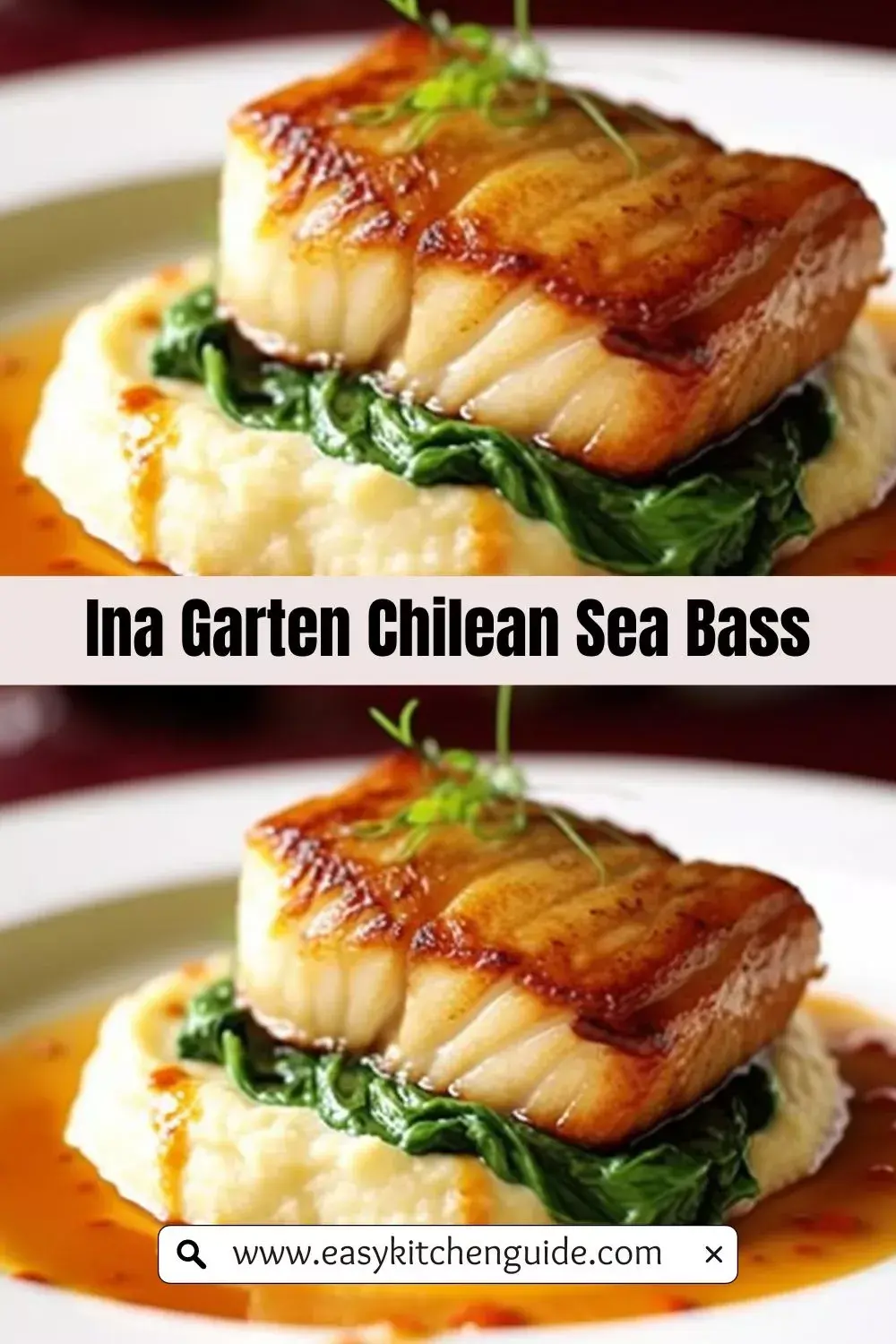
Ina Garten Chilean Sea Bass
Ina Garten Chilean Sea Bass bakes into a buttery, lemon-kissed fillet with a golden breadcrumb crust, ready in 50 minutes for an easy weeknight win.
🧂 Ingredients
- 6 Chilean sea bass fillets, about 170 g (6 oz) each, 1.02 kg total
- 30 g (2 tbsp) Dijon mustard
- 15 g (1 tbsp) fresh lemon juice
- 60 g (4 tbsp) unsalted butter, melted
- 60 g (3/4 cup) panko breadcrumbs
- 10 g (2 tbsp) finely grated Parmesan
- 5 g (1 tbsp) chopped fresh parsley
- 3 g (1/2 tsp) fine sea salt
- 1 g (1/4 tsp) freshly ground black pepper
- 1 g (1 tsp) lemon zest
📋 Instructions
- 1Heat the oven — Set a rack in the upper third and heat the oven to 220 C (425 F) for 15 minutes. A fully heated oven browns the crust in the stated time.
- 2Dry and season — Pat the fillets dry with paper towels and season both sides with the salt and pepper. Dry surfaces grip the mustard layer.
- 3Mix the topping — Stir the panko, Parmesan, parsley, and lemon zest with the melted butter until evenly moist. The mixture should clump when squeezed.
- 4Coat the fillets — Brush each fillet with Dijon, then with lemon juice. Spread the crumb mixture over the top and press lightly. Pressed crumbs stay put.
- 5Arrange on the tray — Place the fillets on a parchment-lined sheet pan, spacing them 3 cm (1 in) apart. Space lets hot air circulate and brown the edges.
- 6Bake — Bake at 220 C (425 F) for 18 to 20 minutes, until the crust is golden brown and the center reads 60 C (140 F). The crumb should look dry and crisp, not wet.
- 7Rest and serve — Rest the tray 3 minutes, then lift each fillet with a spatula. Serve with the pan juices spooned over.

Tomasz writes precise, method-first recipes for breads, ferments, and slow braises, drawing on Polish and Central European home cooking. He cares about weights, temperatures, and timing, and explains the reason behind each step so cooks can repeat results. His angle is turning fussy techniques into clear, checkable instructions.