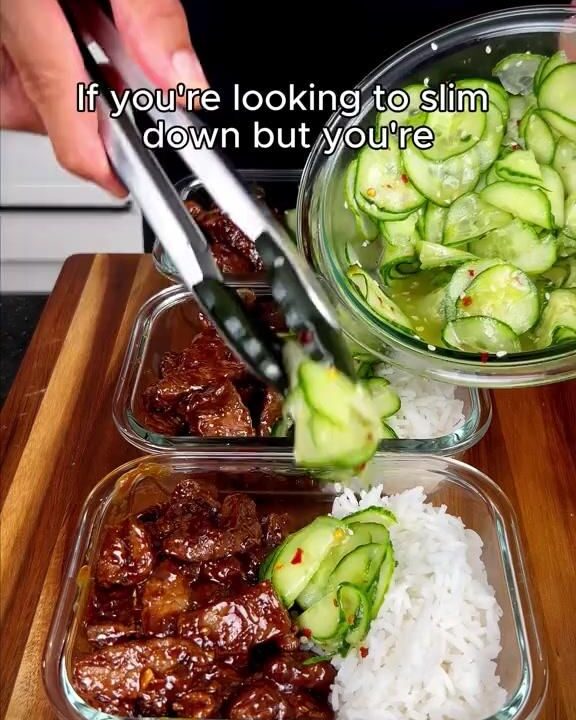
This bowl weighs in at 512 calories per portion with 38 g of protein. That number comes from the actual quantities below, not from a guess. Lean 93/7 ground beef, cooked brown rice, and a gochujang-soy glaze that carries flavor without carrying oil.
You will build six containers in one session. The beef browns in a hot pan, the vegetables stay crisp, and the sauce reduces to a gloss that coats the meat. Everything cools, then gets packed in layers so the rice does not go soggy by Wednesday.
Weigh the components once and you never recheck the math. The recipe is written in grams first for that reason.
Why You'll Love This Recipe
About the Ingredients
900 g (2 lb) lean ground beef, 93/7
Ask the butcher for 93/7 grind or weigh a pack and check the label fat percentage. Substitute ground turkey 93/7 for a lighter bowl, but add 10 g (2 tsp) olive oil to the pan.
600 g (3 cups) cooked brown rice, cooled
Cook 200 g (1 cup) dry brown rice in 480 ml (2 cups) water for 40 minutes. Day-old rice works better because it dries out and absorbs sauce without turning mushy.
60 g (3 tbsp) gochujang paste
Look for a tub with wheat or rice flour listed first, not corn syrup. Substitute 45 g (3 tbsp) sriracha plus 10 g (2 tsp) miso for a similar fermented heat.
45 ml (3 tbsp) low-sodium soy sauce
Use tamari for a gluten-free bowl. Low-sodium matters here because the glaze reduces and concentrates salt.
20 g (1 tbsp) honey
Substitute 20 g (1 tbsp) maple syrup or 15 g (1 tbsp) brown sugar. The sugar is what makes the glaze bubble and gloss at the end.
15 g (1 tbsp) toasted sesame oil
Buy untoasted sesame oil only if you plan to fry with it. Toasted oil is a finishing oil and loses its aroma over high heat.
20 g (1 tbsp) garlic, minced, about 4 cloves
Fresh garlic beats jarred here; jarred garlic tastes flat after reduction. Substitute 5 g (1 1/2 tsp) garlic powder mixed into the sauce.
200 g (2 cups) shredded carrots
Buy pre-shredded for speed, or shred 2 medium carrots on the large holes of a box grater. Substitute daikon radish for a sharper, wetter crunch.
150 g (1 1/2 cups) English cucumber, cut into thin half-moons
English cucumber has fewer seeds and stays crisp longer. Substitute 150 g (1 1/2 cups) thinly sliced red radish if cucumber is out of season.
60 g (1/2 cup) scallions, sliced thin
Slice on the bias for longer pieces that hold up in the container. Keep the white and green parts separate; whites go in the pan, greens go on top.
10 g (1 tbsp) toasted sesame seeds
Toast raw seeds in a dry pan over medium heat for 3 minutes until they smell nutty. Pre-toasted seeds go stale faster, so buy small amounts.
Tips & Tricks
Do not crowd the beef
900 g in a 30 cm (12 in) skillet steams instead of browning. Cook in two batches if your pan is smaller, and let each batch sit 3 minutes untouched before breaking it up.
Cool before you pack
sealing warm rice traps steam and turns the bowl sour by day two. Spread everything on a tray for 15 minutes until it reaches room temperature, about 21°C (70°F).
Sauce the beef, not the rice
toss the glaze through the meat only. Rice stays separate and absorbs just what it needs when you reheat.
- Salt the cucumber 10 minutes before packing: a pinch of salt draws water out, so the bottom of the container stays dry.
Pro Tips
Step-by-Step Instructions
1. Mix the glaze
Whisk 60 g gochujang, 45 ml soy sauce, 20 g honey, and 20 g minced garlic in a small bowl until smooth. (The honey dissolves faster in soy sauce than in the thick paste alone.) The mixture should pour like heavy cream.
2. Brown the beef
Heat a 30 cm (12 in) skillet over medium-high heat, about 190°C (375°F), for 2 minutes. Add 900 g beef and press it flat; leave it 4 minutes until the underside is deep brown.
3. Break and finish browning
Break the beef into 2 cm pieces with a wooden spoon and cook 5 minutes more. (Pressing the meat against the pan builds crust, which is where the flavor lives.) It is done when no pink remains and the edges are crisp, 71°C (160°F) internal.
4. Add aromatics
Stir in the scallion whites and cook 60 seconds until fragrant. (Sixty seconds is enough; longer and they burn in the hot fat.) You should smell garlic and onion, not smoke.
5. Reduce the glaze
Pull the pan off the heat, pour in the glaze, and return it to medium heat for 3 minutes. (Off-heat addition keeps the sugar from scorching on contact.) The sauce is ready when it coats the beef and bubbles slowly at the edges.
6. Finish the beef
Remove from heat and stir in 15 g sesame oil. (Adding toasted oil at the end preserves its aroma, which heat destroys.) The beef should look glossy, not wet.
7. Cool the components
Spread the beef on a tray and the rice in a shallow dish; rest 15 minutes until both reach about 21°C (70°F). (Warm components steam inside sealed containers and spoil faster.) Nothing should feel warm to the back of your hand.
8. Pack the containers
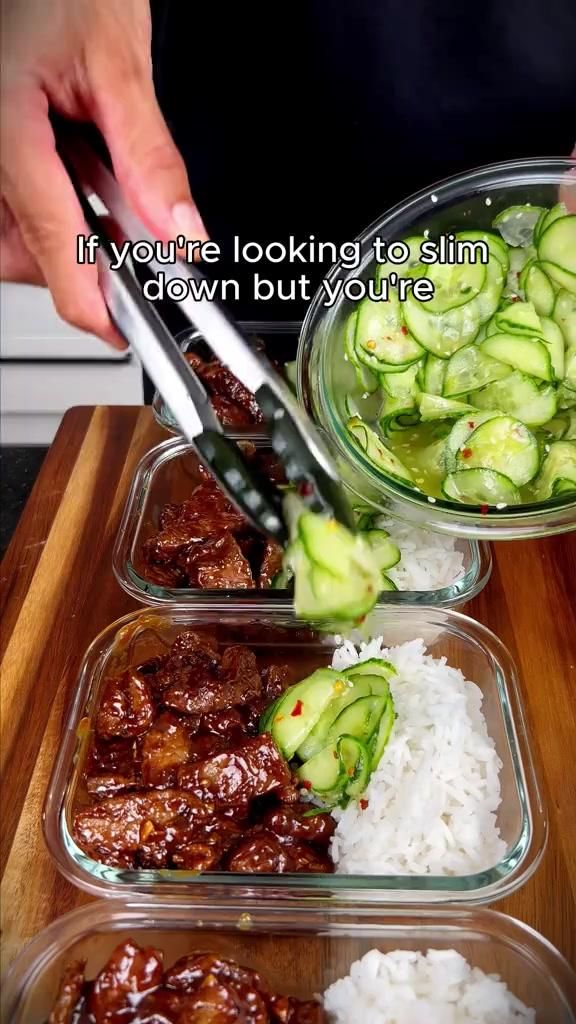
Divide 600 g rice among six containers, 100 g each. Top with 120 g beef, then 33 g carrots, 25 g cucumber, and scallion greens. (Layering keeps wet vegetables off the rice.) Sprinkle 1.5 g sesame seeds on each.
Delicious Variations
Spicy cucumber kimchi bowl
swap the fresh cucumber for 150 g (1 1/2 cups) chopped kimchi and reduce gochujang to 40 g; the bowl gains roughly 5 calories per portion.
Bulgogi-style beef bowl
replace ground beef with 900 g thinly sliced sirloin and marinate it in the glaze for 30 minutes; sear 90 seconds per side at 230°C (450°F).
Cauliflower rice version
use 600 g (5 cups) riced cauliflower instead of brown rice and cook it 5 minutes in the beef pan; the bowl drops to about 430 calories.
How to Store Healthy Korean Beef Rice Bowl 512 Cal High Protein Meal Prep
Refrigerator
Store in sealed containers for up to 4 days at 4°C (40°F) or below. Keep the sauce-dressed beef above the rice and below the raw vegetables.
Freezer
Freeze the beef and rice only, without vegetables, for up to 2 months. Thaw overnight in the refrigerator before reheating; add fresh cucumber after.
Reheating
Microwave covered for 2 to 3 minutes on high, stirring once, until the center reaches 74°C (165°F). Add the cucumber and scallion greens after heating so they stay crisp.
Frequently Asked Questions
Q: How do I keep the rice from getting mushy?
Use cooled, day-old brown rice and cool it fully before packing. Warm rice releases steam inside a sealed container and turns soft within a day.
Weigh the beef and rice once, and the numbers hold for all six containers. Build the batch on Sunday and stop thinking about lunch until Thursday. Weigh, watch, repeat.
Healthy Korean Beef Rice Bowl 512 Cal High Protein Meal Prep
Healthy Korean Beef Rice Bowl: 512 calories of lean beef, brown rice and crisp veg in a gochujang-soy glaze, portioned into six meal-prep containers.
🧂 Ingredients
- 900 g (2 lb) lean ground beef, 93/7
- 600 g (3 cups) cooked brown rice, cooled
- 60 g (3 tbsp) gochujang paste
- 45 ml (3 tbsp) low-sodium soy sauce
- 20 g (1 tbsp) honey
- 15 g (1 tbsp) toasted sesame oil
- 20 g (1 tbsp) garlic, minced, about 4 cloves
- 200 g (2 cups) shredded carrots
- 150 g (1 1/2 cups) English cucumber, cut into thin half-moons
- 60 g (1/2 cup) scallions, sliced thin
- 10 g (1 tbsp) toasted sesame seeds
📋 Instructions
- 1Mix the glaze — Whisk 60 g gochujang, 45 ml soy sauce, 20 g honey, and 20 g minced garlic in a small bowl until smooth. (The honey dissolves faster in soy sauce than in the thick paste alone.) The mixture should pour like heavy cream.
- 2Brown the beef — Heat a 30 cm (12 in) skillet over medium-high heat, about 190°C (375°F), for 2 minutes. Add 900 g beef and press it flat; leave it 4 minutes until the underside is deep brown.
- 3Break and finish browning — Break the beef into 2 cm pieces with a wooden spoon and cook 5 minutes more. (Pressing the meat against the pan builds crust, which is where the flavor lives.) It is done when no pink remains and the edges are crisp, 71°C (160°F) internal.
- 4Add aromatics — Stir in the scallion whites and cook 60 seconds until fragrant. (Sixty seconds is enough; longer and they burn in the hot fat.) You should smell garlic and onion, not smoke.
- 5Reduce the glaze — Pull the pan off the heat, pour in the glaze, and return it to medium heat for 3 minutes. (Off-heat addition keeps the sugar from scorching on contact.) The sauce is ready when it coats the beef and bubbles slowly at the edges.
- 6Finish the beef — Remove from heat and stir in 15 g sesame oil. (Adding toasted oil at the end preserves its aroma, which heat destroys.) The beef should look glossy, not wet.
- 7Cool the components — Spread the beef on a tray and the rice in a shallow dish; rest 15 minutes until both reach about 21°C (70°F). (Warm components steam inside sealed containers and spoil faster.) Nothing should feel warm to the back of your hand.
- 8Pack the containers — Divide 600 g rice among six containers, 100 g each. Top with 120 g beef, then 33 g carrots, 25 g cucumber, and scallion greens. (Layering keeps wet vegetables off the rice.) Sprinkle 1.5 g sesame seeds on each.

Tomasz writes precise, method-first recipes for breads, ferments, and slow braises, drawing on Polish and Central European home cooking. He cares about weights, temperatures, and timing, and explains the reason behind each step so cooks can repeat results. His angle is turning fussy techniques into clear, checkable instructions.