

The oil is at 350°F and the second the first breaded strip touches it, you hear that furious, happy crackle — that is the sound of dinner going right. Your kitchen will smell of toasted panko, smoked paprika, and honey warming with chili flakes, and people will wander in before you call them.
These tenders are a two-step breading situation: a buttermilk-and-hot-sauce soak that keeps the meat juicy, then a double coat of seasoned flour and panko for a crust that actually stays on. The hot honey gets made in a small pan in three minutes and drizzled over the top so the crunch survives.
You will end up with six generous servings of tenders that are golden at the edges, 165°F at the center, and glossy with chili honey. Serve them with pickles, slaw, or nothing but napkins. Taste as you go, then taste again.
Why You'll Love This Recipe
About the Ingredients
2 pounds (900g) chicken tenderloins, about 12 pieces
Tenderloins are already the right size; if you only find breasts, slice them into 1-inch strips against the grain. Look for pale pink meat with no gray patches for the juiciest result.
1 1/2 cups (360ml) buttermilk
Full-fat buttermilk tenderizes gently and clings to the flour. No buttermilk? Stir 1 1/2 tablespoons lemon juice into 1 1/2 cups whole milk and rest 10 minutes.
2 tablespoons hot sauce, such as Frank's RedHot
This adds tang and mild heat to the brine, not fire. Use a vinegar-based sauce, not a thick wing sauce, or the coating will slide off.
1 1/2 cups (180g) all-purpose flour
Flour is the glue layer that makes the panko stick. A 1-to-1 gluten-free blend works well if you need it; skip coconut flour, which turns pasty.
2 cups (100g) panko breadcrumbs
Panko's big flakes give the loudest crunch. Crush them lightly in your hands for a finer, more even coating if you like a tighter crust.
1 tablespoon smoked paprika
Smoked paprika brings a warm campfire note that pairs with the honey. Sweet paprika plus a pinch of cayenne is a fine swap.
1 teaspoon garlic powder
Granulated garlic seasons the crust evenly without burning. Onion powder can stand in at the same amount.
1 1/2 teaspoons kosher salt, plus more for the chicken
Kosher salt dissolves into the flour evenly; use half the amount if you only have fine table salt. Season the chicken itself too, not just the coating.
1/2 teaspoon black pepper
Fresh-cracked pepper blooms in the hot oil. White pepper gives a sharper, more restaurant-style bite if you have it.
3/4 cup (255g) honey
Use a mild clover or wildflower honey so the chili can speak. Buckwheat honey is too strong here and will bully the chicken.
1 1/2 teaspoons red pepper flakes
These steep in warm honey for a slow, building heat. Add a pinch of cayenne for a faster, sharper burn.
6 cups (1.4L) neutral oil, such as canola or peanut, for frying
You need 2 inches of oil in the pan, so amount depends on your pot. Peanut oil handles high heat best; vegetable oil is a fine everyday choice.
Tips & Tricks
Keep the oil at 350°F (175°C)
Too hot and the panko scorches before the chicken cooks; too cool and the crust drinks oil. Clip a thermometer to the pot and adjust the flame between batches.
Press the panko on, do not sprinkle
Cup the crumbs over each strip and press firmly so the coating fuses to the flour. Loose crumbs fall off and burn in the oil.
Fry in small batches of 4 or 5
Crowding drops the oil temperature and gives you pale, greasy tenders. Give each batch room and let the oil come back to 350°F (175°C) before the next.
- Drizzle honey at the table, not in the pot: Hot honey softens the crust within a couple of minutes. Spoon it over just before serving so the crunch stays loud.
Pro Tips
Step-by-Step Instructions
1. Brine the chicken
Pat the tenderloins dry, season lightly with salt, and toss with the buttermilk and hot sauce in a bowl. Let them sit 15 minutes at room temperature while you set up the breading — this is enough time for the buttermilk to tenderize without turning the meat mushy.
2. Set up breading station
Whisk the flour, smoked paprika, garlic powder, 1 1/2 teaspoons salt, and pepper in a wide dish. Put the panko in a second dish. Keep one hand for wet and one for dry so your fingers stay workable.
3. Heat the oil
Pour 2 inches of oil into a heavy Dutch oven and heat over medium to 350°F (175°C). Clip on a thermometer and watch it — the oil should shimmer and a panko crumb should sizzle and rise within 2 seconds.
4. Coat the tenders
Lift a tenderloin from the buttermilk, letting excess drip off, then press it into the flour on both sides. Dip it back in the buttermilk, then press firmly into the panko until fully covered. Set on a rack and repeat.
5. Fry the first batch
Lower 4 or 5 tenders into the 350°F (175°C) oil and fry 4 to 5 minutes, turning once, until deep golden brown and the bubbling at the edges slows. The internal temperature should read 165°F (74°C) on an instant-read thermometer.
6. Drain and keep warm
Transfer the fried tenders to a wire rack set over a sheet pan and sprinkle with a pinch of salt. Keep them warm in a 200°F (95°C) oven while you fry the rest, letting the oil return to 350°F (175°C) between batches.
7. Make the hot honey
Warm the honey and red pepper flakes in a small saucepan over low heat for 2 to 3 minutes, until fragrant and just steaming — do not let it boil. Take it off the heat and let it steep while the last batch fries.
8. Drizzle and serve
Arrange the tenders on a platter and spoon the hot honey generously over the top so it pools in the crevices. Serve immediately with pickles and extra honey on the side.
Delicious Variations
Nashville-Style Heat
Stir 1 tablespoon cayenne into the hot honey and splash the tenders with 2 tablespoons of the frying oil for a fiery, glossy finish.
Parmesan Herb Crust
Swap half the panko for finely grated Parmesan and add 1 teaspoon dried oregano to the flour for a savory, Italian-leaning version.
Air Fryer Batch
Spray the breaded tenders with oil and air fry at 400°F (200°C) for 10 to 12 minutes, flipping halfway, for a lighter but still crunchy tender.
How to Store Crispy Hot Honey Chicken Tenders
Refrigerator
Store cooled tenders in an airtight container for up to 3 days; keep the hot honey in a separate jar so the crust does not soften.
Freezer
Freeze breaded, unbreaded-fried tenders flat on a sheet pan for 1 hour, then bag for up to 2 months. Fry from frozen at 350°F (175°C) for 6 to 7 minutes.
Reheating
Reheat on a wire rack in a 375°F (190°C) oven for 8 to 10 minutes until crisp and 165°F (74°C) inside; skip the microwave, which steams the crust soft.
Frequently Asked Questions
Q: How do I keep the breading from falling off chicken tenders?
Press the panko firmly onto a flour-coated, buttermilk-dipped tender and let it rest 5 minutes before frying. The flour layer is what grips the crumbs, so never skip it, and keep the oil at a steady 350°F (175°C).
Q: What oil is best for frying chicken tenders?
Peanut, canola, or vegetable oil all work well because they have high smoke points and neutral flavor. You need about 2 inches of oil in the pot, and it should stay at 350°F (175°C) throughout frying.
Q: Can I make hot honey chicken tenders in an air fryer?
Yes — spray the breaded tenders with oil and air fry at 400°F (200°C) for 10 to 12 minutes, flipping once. They come out crisp but slightly drier than fried, so drizzle the hot honey right before serving.
Q: How spicy is hot honey on chicken tenders?
It is gently spicy — about a mild-to-medium heat that builds slowly, thanks to 1 1/2 teaspoons of red pepper flakes in 3/4 cup honey. Add cayenne or more flakes if you want real fire, or use half the flakes for kids.
Q: Can I use chicken breasts instead of tenderloins?
Absolutely — slice boneless breasts into 1-inch strips against the grain and treat them exactly like tenderloins. They may need an extra minute in the oil, so check for 165°F (74°C) at the center.
Grab your thermometer, get that oil shimmering, and make these crispy hot honey chicken tenders tonight — then tell me how loud the crunch was at your table. Taste as you go, then taste again.
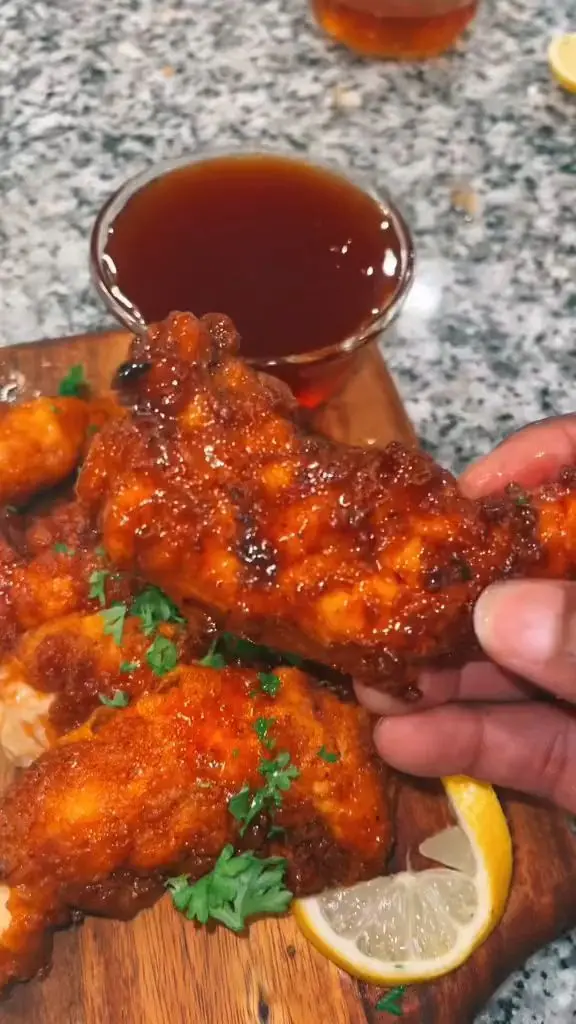
Crispy Hot Honey Chicken Tenders
Crispy Hot Honey Chicken Tenders are shatter-crunchy buttermilk chicken strips drizzled in sweet-spicy honey for the best easy weeknight dinner.
🧂 Ingredients
- 2 pounds (900g) chicken tenderloins, about 12 pieces
- 1 1/2 cups (360ml) buttermilk
- 2 tablespoons hot sauce, such as Frank's RedHot
- 1 1/2 cups (180g) all-purpose flour
- 2 cups (100g) panko breadcrumbs
- 1 tablespoon smoked paprika
- 1 teaspoon garlic powder
- 1 1/2 teaspoons kosher salt, plus more for the chicken
- 1/2 teaspoon black pepper
- 3/4 cup (255g) honey
- 1 1/2 teaspoons red pepper flakes
- 6 cups (1.4L) neutral oil, such as canola or peanut, for frying
📋 Instructions
- 1Brine the chicken — Pat the tenderloins dry, season lightly with salt, and toss with the buttermilk and hot sauce in a bowl. Let them sit 15 minutes at room temperature while you set up the breading — this is enough time for the buttermilk to tenderize without turning the meat mushy.
- 2Set up breading station — Whisk the flour, smoked paprika, garlic powder, 1 1/2 teaspoons salt, and pepper in a wide dish. Put the panko in a second dish. Keep one hand for wet and one for dry so your fingers stay workable.
- 3Heat the oil — Pour 2 inches of oil into a heavy Dutch oven and heat over medium to 350°F (175°C). Clip on a thermometer and watch it — the oil should shimmer and a panko crumb should sizzle and rise within 2 seconds.
- 4Coat the tenders — Lift a tenderloin from the buttermilk, letting excess drip off, then press it into the flour on both sides. Dip it back in the buttermilk, then press firmly into the panko until fully covered. Set on a rack and repeat.
- 5Fry the first batch — Lower 4 or 5 tenders into the 350°F (175°C) oil and fry 4 to 5 minutes, turning once, until deep golden brown and the bubbling at the edges slows. The internal temperature should read 165°F (74°C) on an instant-read thermometer.
- 6Drain and keep warm — Transfer the fried tenders to a wire rack set over a sheet pan and sprinkle with a pinch of salt. Keep them warm in a 200°F (95°C) oven while you fry the rest, letting the oil return to 350°F (175°C) between batches.
- 7Make the hot honey — Warm the honey and red pepper flakes in a small saucepan over low heat for 2 to 3 minutes, until fragrant and just steaming — do not let it boil. Take it off the heat and let it steep while the last batch fries.
- 8Drizzle and serve — Arrange the tenders on a platter and spoon the hot honey generously over the top so it pools in the crevices. Serve immediately with pickles and extra honey on the side.

Priya writes about South Indian home cooking and the improvisation that happens in real kitchens, from quick weekday tiffins to slow weekend spreads. She is interested in how a single tempering of spices changes a dish and in adapting familiar recipes to what a cook has on hand. Her angle is playful, sensory recipe writing that treats cooking as something to tinker with.