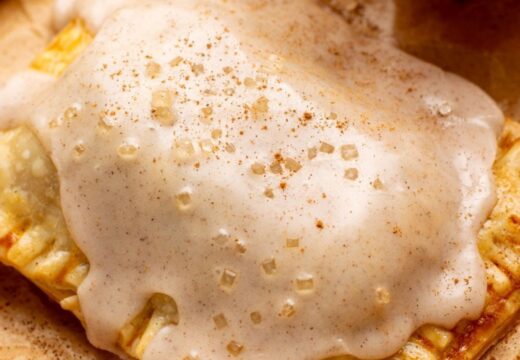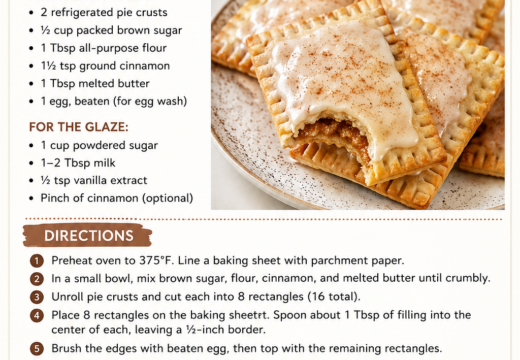

Store-bought s'more pastries taste of cardboard and regret. These start with a graham-and-butter pastry that holds its shape and a filling that stays soft after baking.
The method is simple. Keep the dough cold, seal the edges twice, and vent the top. Those three habits decide whether you get a clean pocket or a chocolate leak.
Weigh everything. Volume measures drift with graham crumbs, and a dry dough cracks at the crimp. The weights below are the ones I use at home.
Why You'll Love This Recipe
About the Ingredients
250 g (2 cups) all-purpose flour
Flour gives the structure. Substitute bread flour for a chewier bite, or swap 30 g for whole wheat for a nuttier crust.
80 g (3/4 cup) finely crushed graham crackers
Crush to a powder, not crumbs, or the dough tears. Digestive biscuits are a close substitute if grahams are unavailable.
200 g (14 tbsp) cold unsalted butter, cubed
Cold butter creates steam pockets that lift the layers. Use European-style butter for a higher fat content and better flavor.
60 g (1/4 cup) cold water
Add one tablespoon at a time; dry dough cracks. Keep a spare tablespoon ready for humid days.
1 large egg, beaten
Egg washes the seams and glues them shut. A splash of milk works if you avoid egg.
120 g (3/4 cup) semisweet chocolate, chopped
Chop into 5 mm pieces so it melts evenly. Chocolate chips contain stabilizers and stay firm; use bars instead.
90 g (1 1/2 cups) mini marshmallows
Minis melt fast and fit the pocket. Freeze them 10 minutes so they resist squashing during sealing.
100 g (1 cup) powdered sugar
Sift it or the glaze stays lumpy. Add 1 teaspoon meringue powder for a glossier set.
15 g (1 tbsp) milk, for the glaze
Whole milk gives the best shine. Use water for a thinner drizzle or cream for a thicker coat.
2 g (1/2 tsp) fine sea salt
Salt balances the sweet filling. Fine sea salt dissolves; coarse salt leaves gritty spots.
Tips & Tricks
Seal the edges twice
press with a fork, then crimp with your fingers. A single pass opens in the oven and the filling burns on the tray.
Freeze before baking
chill the assembled pastries 15 minutes. Cold pastry holds its shape and puffs higher.
Vent every top
cut three 1 cm slits. Steam needs an exit or the pocket balloons and splits at the seam.
Weigh the filling
15 g chocolate and 10 g marshmallow per pocket. Overfilling is the top cause of leaks.
Pro Tips
Step-by-Step Instructions
1. Mix the dry base
Whisk 250 g flour, 80 g graham crumbs, and 2 g salt in a bowl. Whisking distributes the salt evenly so no pocket tastes flat.
2. Cut in the butter
Add 200 g cold butter and rub until the mixture looks like coarse sand with pea-sized lumps. Stop while lumps remain; those lumps make flakes.
3. Bring the dough together
Add 60 g cold water and press the dough into a ball. Stop when it just holds; overworking develops gluten and the pastry turns tough.
4. Chill the dough
Flatten into two discs, wrap, and refrigerate 30 minutes. Cold dough rolls thin without sticking or cracking at the edges.
5. Roll and fill
Roll each disc to 3 mm on floured paper and cut 10 cm x 14 cm rectangles. Place 120 g chopped chocolate and 90 g marshmallows on half the rectangles, leaving a 1.5 cm border.
6. Seal the pockets
Brush the borders with beaten egg, top with a second rectangle, and press out air. Crimp with a fork, then pinch the crimp again by hand for a double seal.
7. Chill and vent
Freeze the pockets 15 minutes and cut three 1 cm slits in each top. Cold pastry and open vents keep the seams intact.
8. Bake at 190 C
Bake at 190 C (375 F) for 20 to 24 minutes until golden brown and the edges bubble slightly. The surface should sound hollow when tapped.
9. Glaze and set
Cool 10 minutes, then spread 100 g sifted powdered sugar mixed with 15 g milk over the tops. Let the glaze set 15 minutes before eating.
Delicious Variations
Dark Chocolate and Sea Salt
Use 70 percent chocolate and finish the glaze with flaky salt.
Peanut Butter S'more
Spread 10 g peanut butter under the chocolate in each pocket.
Toasted Coconut Version
Add 5 g toasted coconut to the filling for a chewier center.
How to Store Homemade S'more Poptarts
Refrigerator
Keep in an airtight container up to 5 days. Reheat 8 minutes at 160 C (325 F) to soften the filling.
Freezer
Freeze unbaked pockets on a tray, then bag them up to 2 months. Bake from frozen at 190 C (375 F) for 26 to 30 minutes.
Reheating
Reheat baked pastries 6 to 8 minutes at 160 C (325 F). Microwave 15 seconds for a soft, gooey center.
Frequently Asked Questions
Q: Why did my pastries leak filling in the oven?
The seams were under-sealed or the pockets were overfilled. Crimp twice with a fork and keep filling to 15 g chocolate and 10 g marshmallow per pocket.
Q: How do I keep the marshmallow from dissolving?
Freeze the mini marshmallows for 10 minutes before filling and seal the pocket fast. Cold marshmallows survive the bake and stay soft rather than melting into the seams.
Q: What is the best temperature for baking s'more pastries?
Bake at 190 C (375 F) for 20 to 24 minutes. That heat sets the crust before the filling boils, so the pocket holds and the top turns golden brown.
Weigh the dough, chill it well, and seal each pocket twice. Bake one tray tonight and keep the rest in the freezer for a fast dessert. Weigh, watch, repeat.

Homemade S'more Poptarts
Homemade S'more Poptarts wrap graham-cracker pastry around chocolate and marshmallow, baked golden, then glazed for a crisp, gooey treat.
🧂 Ingredients
- 250 g (2 cups) all-purpose flour
- 80 g (3/4 cup) finely crushed graham crackers
- 200 g (14 tbsp) cold unsalted butter, cubed
- 60 g (1/4 cup) cold water
- 1 large egg, beaten
- 120 g (3/4 cup) semisweet chocolate, chopped
- 90 g (1 1/2 cups) mini marshmallows
- 100 g (1 cup) powdered sugar
- 15 g (1 tbsp) milk, for the glaze
- 2 g (1/2 tsp) fine sea salt
📋 Instructions
- 1Mix the dry base — Whisk 250 g flour, 80 g graham crumbs, and 2 g salt in a bowl. Whisking distributes the salt evenly so no pocket tastes flat.
- 2Cut in the butter — Add 200 g cold butter and rub until the mixture looks like coarse sand with pea-sized lumps. Stop while lumps remain; those lumps make flakes.
- 3Bring the dough together — Add 60 g cold water and press the dough into a ball. Stop when it just holds; overworking develops gluten and the pastry turns tough.
- 4Chill the dough — Flatten into two discs, wrap, and refrigerate 30 minutes. Cold dough rolls thin without sticking or cracking at the edges.
- 5Roll and fill — Roll each disc to 3 mm on floured paper and cut 10 cm x 14 cm rectangles. Place 120 g chopped chocolate and 90 g marshmallows on half the rectangles, leaving a 1.5 cm border.
- 6Seal the pockets — Brush the borders with beaten egg, top with a second rectangle, and press out air. Crimp with a fork, then pinch the crimp again by hand for a double seal.
- 7Chill and vent — Freeze the pockets 15 minutes and cut three 1 cm slits in each top. Cold pastry and open vents keep the seams intact.
- 8Bake at 190 C — Bake at 190 C (375 F) for 20 to 24 minutes until golden brown and the edges bubble slightly. The surface should sound hollow when tapped.
- 9Glaze and set — Cool 10 minutes, then spread 100 g sifted powdered sugar mixed with 15 g milk over the tops. Let the glaze set 15 minutes before eating.

Tomasz writes precise, method-first recipes for breads, ferments, and slow braises, drawing on Polish and Central European home cooking. He cares about weights, temperatures, and timing, and explains the reason behind each step so cooks can repeat results. His angle is turning fussy techniques into clear, checkable instructions.