All Recipes Menu
Shrimp Curry – Creamy 30-Minute One-Pan Dinner
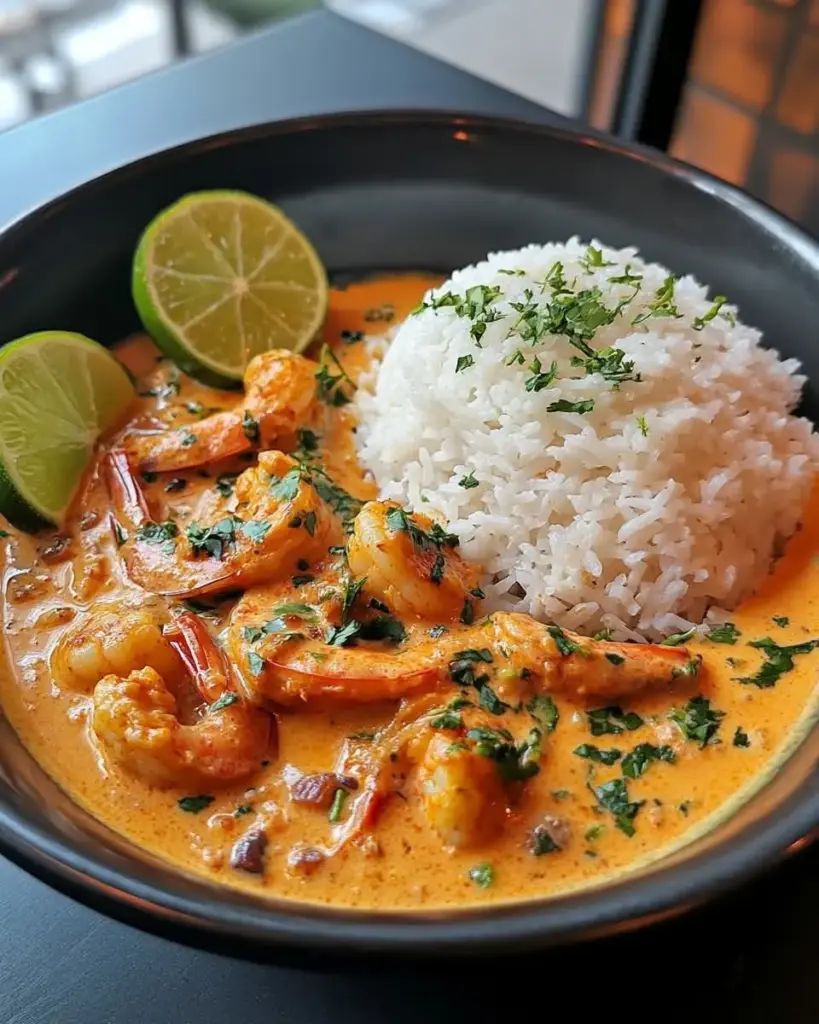
Shrimp curry is a coconut-based braise where the sauce does the work and the shrimp only pass through it. You build flavor in stages: bloom the spices in fat, reduce the tomato until it darkens, then add coconut milk and let it thicken to a coating consistency. The shrimp go in last because they cook in four minutes and turn rubbery in six.
This version uses 900 g of large shrimp and yields six generous portions over rice. The spice blend is warm rather than hot, with garam masala and turmeric carrying most of the load and cayenne adjustable to your table. Total time is 50 minutes, and most of it is unattended simmering.
Weigh everything before you turn on the heat. Curry moves fast once the pan is hot, and pre-measured spices prevent burning while you hunt for the jar.
Why You'll Love This Recipe
About the Ingredients
900 g (2 lb) large shrimp, peeled and deveined, tails off
Buy frozen raw shrimp labeled 21/25 count; they thaw in 20 minutes under cold water and taste fresher than most 'fresh' counter shrimp. Substitute firm white fish cut into 3 cm chunks if shrimp is unavailable.
30 ml (2 tbsp) neutral oil
Use canola or grapeseed; olive oil's smoke point is too low for blooming spices. Substitute ghee for a nuttier sauce.
1 large onion, 200 g, finely diced
Yellow or white onion both work; sweet onion makes the sauce noticeably sweeter. Frozen diced onion, 200 g, is a fair shortcut.
20 g (4 cloves) garlic, minced
Fresh garlic only here; jarred garlic tastes flat and bitter once fried. A microplane gives the finest paste.
15 g (1 tbsp) fresh ginger, grated
Choose ginger that snaps cleanly when broken; bendy ginger is dry inside. Ground ginger, 1 tsp, substitutes in a pinch.
6 g (2 tsp) garam masala
Buy small jars and replace every six months; stale garam masala tastes like dust. Substitute curry powder for a simpler, milder profile.
3 g (1 tsp) ground turmeric
Turmeric stains plastic and wooden spoons permanently; use a metal spoon. No substitute needed, but omit if you dislike the earthy note.
1 g (1/2 tsp) cayenne pepper
Add half at first and taste; cayenne potency varies wildly by brand. Paprika substitutes for color with almost no heat.
400 g (14 oz) canned crushed tomatoes
San Marzano-style crushed tomatoes are less acidic; check the label for added salt. Substitute 400 g of canned diced tomatoes blended smooth.
400 ml (13.5 oz) full-fat coconut milk
Shake the can hard before opening; separation is normal. Light coconut milk works but yields a thinner sauce that needs 5 extra minutes of reduction.
6 g (1 tsp) fine sea salt, plus more to taste
Kosher salt is coarser, so use 8 g if substituting. Taste the sauce before the shrimp go in, since shrimp add no salt.
15 g (1 cup) fresh cilantro, chopped
Stems carry as much flavor as leaves; chop them finely and use both. Flat-leaf parsley is the mild substitute.
Tips & Tricks
Do not crowd the pan
900 g of shrimp in a 30 cm skillet steams instead of sears, so cook in two batches if your pan is smaller.
Bloom, do not burn
spices need 30 seconds in fat at medium heat; the moment they smell toasted, add the tomatoes to stop the cooking.
Salt the sauce, not the shrimp
season the sauce fully before adding shrimp, because shrimp absorb salt slowly and you will oversalt chasing the flavor.
Watch the color shift
shrimp go from translucent grey to opaque pink-white in about 3 minutes; pull them at the first curl or they overcook in the residual heat.
Pro Tips
Step-by-Step Instructions
1. Prep the shrimp
Pat 900 g shrimp dry with paper towels and refrigerate. Dry shrimp sear rather than steam, and cold shrimp hold their shape during the quick cook.
2. Sweat the onion
Heat 30 ml oil in a 30 cm skillet over medium heat, 175°C (350°F), and cook 200 g diced onion for 7 minutes until translucent and soft at the edges. The onion should look glassy, not browned.
3. Bloom the aromatics
Add 20 g garlic and 15 g ginger and stir for 60 seconds until fragrant. Raw garlic turns bitter past 90 seconds, so keep the spoon moving.
4. Toast the spices
Stir in 6 g garam masala, 3 g turmeric, and 1 g cayenne for 30 seconds until the mixture smells nutty and darkens one shade. Add 400 g crushed tomatoes immediately to stop the spices from scorching.
5. Reduce the base
Simmer the tomato mixture for 10 minutes over medium-low heat, 160°C (320°F), until it thickens and the oil separates at the edges. A spoon dragged across the pan should leave a clean line.
6. Add coconut milk
Pour in 400 ml coconut milk and 6 g salt, then simmer 8 minutes until the sauce coats the back of a spoon. Bubbles should break slowly, not vigorously.
7. Cook the shrimp
Lower the heat to medium-low, 150°C (300°F), add the shrimp in one layer, and cook 4 minutes, turning once. Shrimp are done when opaque white with pink tails and curled into a loose C.
8. Finish and rest
Turn off the heat, stir in 15 g cilantro, and rest 5 minutes. Carryover heat finishes the shrimp, and the sauce thickens as it sits.
Delicious Variations
Thai-style
swap garam masala for 2 tsp red curry paste and finish with 10 g lime juice and Thai basil.
Spinach and chickpea
stir 150 g baby spinach and 200 g canned chickpeas into the sauce before the shrimp for a fuller vegetarian-leaning plate.
Grilled version
skewer and char the shrimp on a 230°C (450°F) grill for 2 minutes per side, then lay them over the sauce so they stay crisp.
How to Store Shrimp Curry
Refrigerator
Store in an airtight container for up to 2 days; shrimp toughen after day three.
Freezer
Freeze the sauce alone for up to 3 months; frozen shrimp turn mushy on thaw, so add fresh shrimp when reheating.
Reheating
Warm gently over low heat, 120°C (250°F), with 30 ml water for 4 minutes; do not boil or the shrimp will rubberize.
Frequently Asked Questions
Q: How do I stop shrimp from turning rubbery in curry?
Add the shrimp in the last 4 minutes of cooking and pull them at the first curl. Residual heat in the sauce continues cooking them, so slightly underdone shrimp finish perfectly after a 5-minute rest.
Q: Can I make shrimp curry with frozen shrimp?
Yes, thaw frozen shrimp fully under cold running water for 15 minutes and pat them dry before cooking. Skipping the drying step leaves water in the pan and the sauce turns thin and grey.
Q: Is shrimp curry spicy?
It is mildly spicy as written, with 1/2 tsp cayenne across six servings. Add cayenne at the end, one quarter teaspoon at a time, so you can taste as you go without ruining the whole pot.
Q: What do you serve with shrimp curry?
Basmati rice is the standard pairing because the grains stay separate under sauce. Naan, roti, or cauliflower rice all work, and a squeeze of lime cuts the coconut richness.
Q: Why did my curry sauce split?
The sauce split because it boiled hard after the coconut milk went in. Keep the heat at a slow simmer, 150-160°C (300-320°F), and stir the coconut milk in gradually to keep the emulsion stable.
Cook it once as written, then adjust the cayenne to your table. Weigh, watch, repeat.
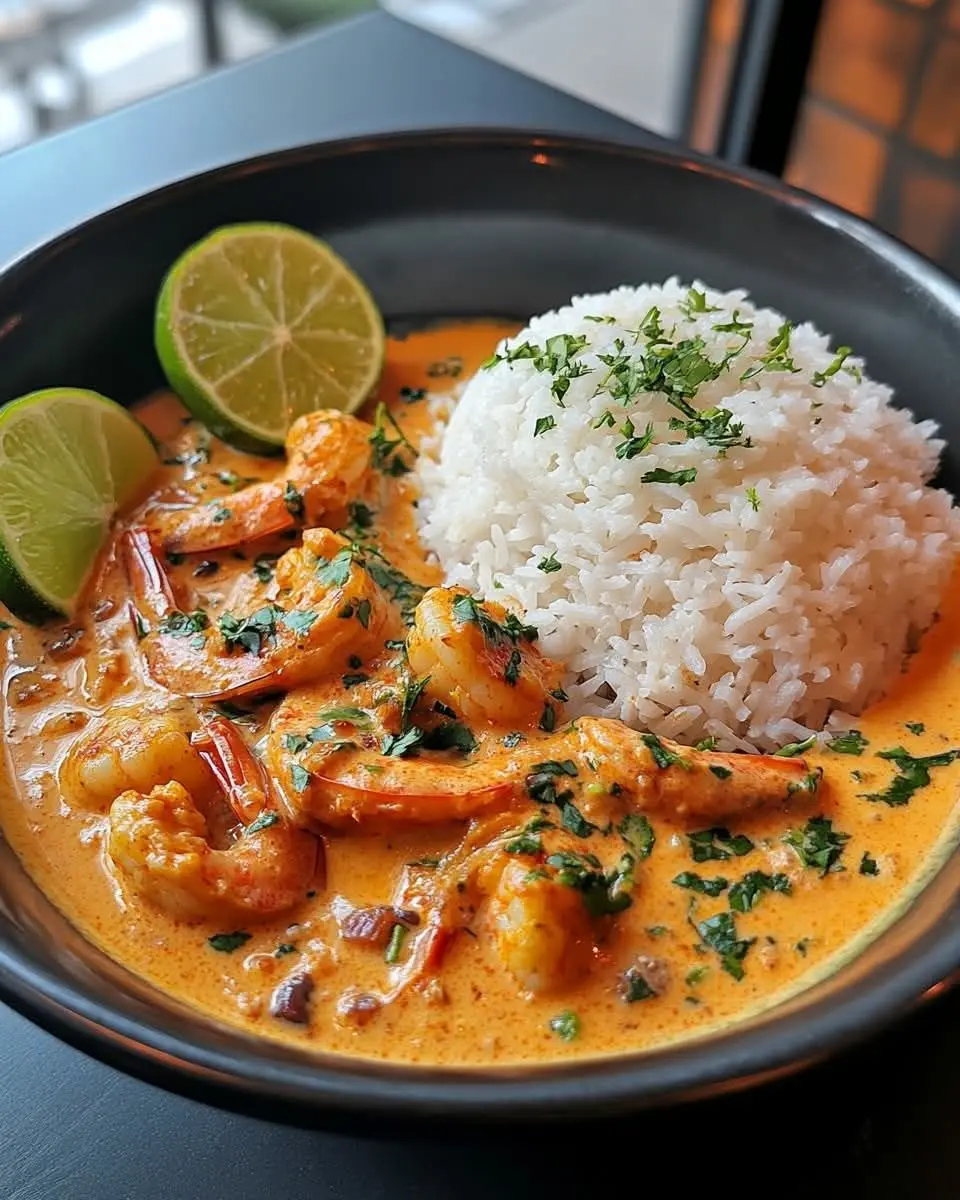
Shrimp Curry
Shrimp curry simmers tender shrimp in a spiced coconut tomato sauce in 50 minutes flat, giving you a rich, restaurant-style dinner on a weeknight.
🧂 Ingredients
- 900 g (2 lb) large shrimp, peeled and deveined, tails off
- 30 ml (2 tbsp) neutral oil
- 1 large onion, 200 g, finely diced
- 20 g (4 cloves) garlic, minced
- 15 g (1 tbsp) fresh ginger, grated
- 6 g (2 tsp) garam masala
- 3 g (1 tsp) ground turmeric
- 1 g (1/2 tsp) cayenne pepper
- 400 g (14 oz) canned crushed tomatoes
- 400 ml (13.5 oz) full-fat coconut milk
- 6 g (1 tsp) fine sea salt, plus more to taste
- 15 g (1 cup) fresh cilantro, chopped
📋 Instructions
- 1Prep the shrimp — Pat 900 g shrimp dry with paper towels and refrigerate. Dry shrimp sear rather than steam, and cold shrimp hold their shape during the quick cook.
- 2Sweat the onion — Heat 30 ml oil in a 30 cm skillet over medium heat, 175°C (350°F), and cook 200 g diced onion for 7 minutes until translucent and soft at the edges. The onion should look glassy, not browned.
- 3Bloom the aromatics — Add 20 g garlic and 15 g ginger and stir for 60 seconds until fragrant. Raw garlic turns bitter past 90 seconds, so keep the spoon moving.
- 4Toast the spices — Stir in 6 g garam masala, 3 g turmeric, and 1 g cayenne for 30 seconds until the mixture smells nutty and darkens one shade. Add 400 g crushed tomatoes immediately to stop the spices from scorching.
- 5Reduce the base — Simmer the tomato mixture for 10 minutes over medium-low heat, 160°C (320°F), until it thickens and the oil separates at the edges. A spoon dragged across the pan should leave a clean line.
- 6Add coconut milk — Pour in 400 ml coconut milk and 6 g salt, then simmer 8 minutes until the sauce coats the back of a spoon. Bubbles should break slowly, not vigorously.
- 7Cook the shrimp — Lower the heat to medium-low, 150°C (300°F), add the shrimp in one layer, and cook 4 minutes, turning once. Shrimp are done when opaque white with pink tails and curled into a loose C.
- 8Finish and rest — Turn off the heat, stir in 15 g cilantro, and rest 5 minutes. Carryover heat finishes the shrimp, and the sauce thickens as it sits.

Tomasz writes precise, method-first recipes for breads, ferments, and slow braises, drawing on Polish and Central European home cooking. He cares about weights, temperatures, and timing, and explains the reason behind each step so cooks can repeat results. His angle is turning fussy techniques into clear, checkable instructions.