All Recipes Menu
Scallops Provençal – 50-Minute One-Pan Dinner
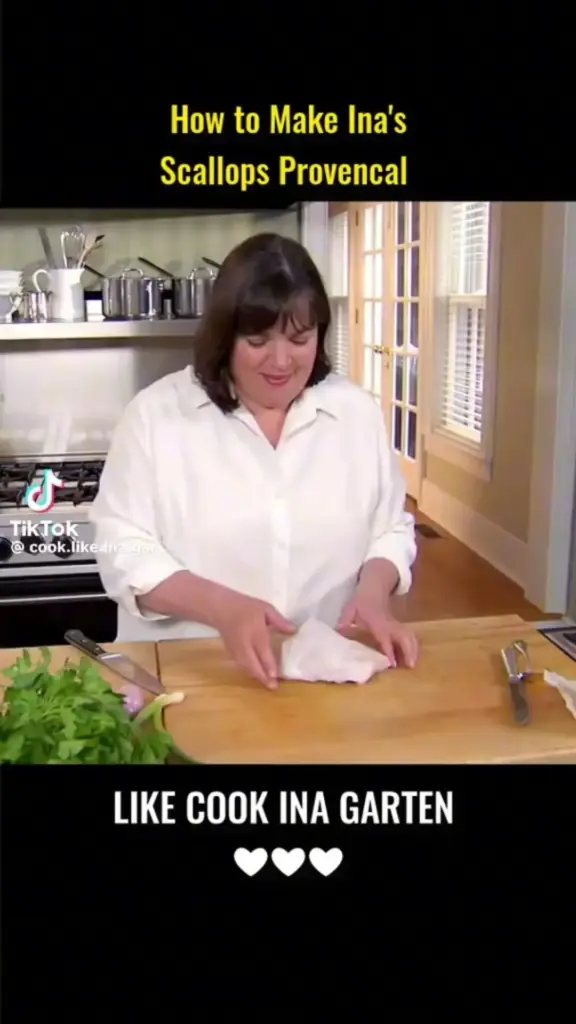
Scallops Provençal earns a permanent spot in my weekly rotation because it feels like a restaurant plate but comes together in one skillet on a Tuesday. Sweet scallops get a quick golden sear, then finish in a bubbling sauce of tomatoes, olives, garlic and white wine that tastes like a summer afternoon in the south of France.
The trick is not to crowd the pan and not to overcook the shellfish. You want a deep golden crust outside and a barely opaque, buttery center, and the sauce does the rest of the work while the scallops rest for a minute.
Serve it with crusty bread, rice or buttered orzo to catch every drop of that garlicky broth. It is simple enough for a weeknight and pretty enough for company, which is exactly what I want from a seafood dinner.
Why You'll Love This Recipe
About the Ingredients
1 1/2 pounds (680 g) large sea scallops, side muscle removed
Pat them very dry before searing; wet scallops steam instead of browning. If sea scallops are pricey, bay scallops work but cook in about half the time.
3 tablespoons olive oil, divided
Use a regular or light olive oil for the high heat sear and save your good fruity oil for finishing. Avocado oil is a fine neutral swap.
2 tablespoons unsalted butter, divided
Butter adds the nutty finish; keep it cold so it emulsifies into the sauce. Salted butter works if you cut the added salt in the recipe.
4 cloves garlic, thinly sliced
Fresh garlic is best here; slice rather than mince so it sweetens instead of burning. Jarred garlic is a okay shortcut in a pinch.
1 pint (300 g) cherry tomatoes, halved
Cherry tomatoes stay sweet and hold their shape; grape tomatoes or a cup of diced canned tomatoes are good substitutes off-season.
1/2 cup (120 ml) dry white wine
Sauvignon Blanc or Pinot Grigio brings acidity; use dry vermouth or extra broth plus a squeeze of lemon if you skip alcohol.
1/3 cup (50 g) pitted Kalamata or Niçoise olives, halved
Briny olives are the heart of the Provençal flavor; green Castelvetrano olives give a milder, buttery swap.
1 tablespoon capers, drained
Capers add salty pops; rinse them if you find them too sharp. Chopped cornichons are a decent substitute.
1/2 teaspoon kosher salt, plus more for the scallops
Kosher salt seasons evenly; if using fine table salt, use about a third less. Season the scallops just before searing.
1/4 teaspoon freshly ground black pepper
Fresh cracked pepper blooms in the warm sauce; white pepper is a gentler alternative.
1 teaspoon chopped fresh thyme, plus more to finish
Thyme is the classic Provençal herb; dried thyme works at half the amount, and oregano is a fine stand-in.
2 tablespoons chopped fresh parsley and 1 teaspoon lemon zest, for serving
Parsley and zest brighten the rich sauce; basil or tarragon can replace the parsley for a different herb note.
Tips & Tricks
Dry the scallops thoroughly
Moisture is the enemy of a golden crust, so pat them dry and let them sit uncovered in the fridge for ten minutes while you prep the sauce ingredients.
Do not crowd the skillet
Sear in two batches if needed so each scallop has room; a crowded pan drops in temperature and steams the shellfish instead of browning it.
Pull the scallops early
They keep cooking as they rest, so take them out when the center is just barely opaque and let the residual heat finish the job.
Taste the sauce before serving
Olives and capers are salty, so taste and adjust with salt only at the end, and add a squeeze of lemon if it needs lift.
Pro Tips
Step-by-Step Instructions
1. Prep the scallops
Pat the scallops very dry with paper towels, remove the side muscle if present, and season lightly with salt and pepper. Let them sit uncovered while you chop the garlic, tomatoes, olives and herbs.
2. Heat the skillet
Heat 2 tablespoons olive oil in a large skillet over medium-high heat until it shimmers, about 2 minutes at 400°F (205°C). You want the surface hot enough that a scallop sizzles the moment it touches the pan.
3. Sear the first side
Add half the scallops in a single layer and cook undisturbed for 2 minutes at 400°F (205°C) until the underside is deep golden brown and releases easily from the pan. Transfer to a plate and repeat with the remaining scallops and 1 tablespoon oil.
4. Soften the garlic and tomatoes
Lower the heat to medium, add 1 tablespoon butter and the garlic, and cook for 30 seconds until fragrant but not browned. Add the cherry tomatoes and cook for 4 to 5 minutes at 350°F (175°C) until they soften and begin to burst.
5. Deglaze with wine
Pour in the white wine and scrape up the browned bits from the bottom of the pan. Simmer for 2 to 3 minutes at 350°F (175°C) until the liquid reduces by about half and no longer smells sharp.
6. Finish the sauce
Stir in the olives, capers, thyme, 1/2 teaspoon salt and pepper. Simmer for 2 minutes until the sauce is glossy and bubbling at the edges, then swirl in the remaining 1 tablespoon cold butter until melted.
7. Return the scallops
Nestle the scallops back into the sauce along with any juices on the plate and warm gently for 1 minute at 350°F (175°C). The centers should be just opaque and register 125°F (52°C) on an instant-read thermometer.
8. Brighten and serve
Scatter the parsley and lemon zest over the top, taste for salt, and serve right away with crusty bread or rice. If it goes wrong and the sauce tastes too salty, add a splash of water and a squeeze of lemon to balance it.
Delicious Variations
Scallops Provençal Pasta
Toss the finished sauce and scallops with 12 ounces of cooked linguine and a splash of pasta water for a heartier dinner.
Provençal Shrimp Skillet
Swap the scallops for 1 1/2 pounds of large shrimp and cook them 1 to 2 minutes per side for a faster, budget-friendly version.
No-Wine Version
Replace the wine with 1/2 cup chicken broth plus 1 tablespoon lemon juice for a bright, alcohol-free sauce.
How to Store Scallops Provençal
Refrigerator
Store leftovers in an airtight container in the refrigerator for up to 2 days; keep the scallops submerged in the sauce to stay moist.
Freezer
Freezing is not recommended because scallops turn rubbery and the sauce separates; if you must, freeze for up to 1 month and reheat gently.
Reheating
Reheat gently in a covered skillet over low heat at 250°F (120°C) for 3 to 4 minutes, just until warmed through, to avoid toughening the scallops.
Frequently Asked Questions
Q: How do I stop scallops from sticking to the pan?
Make sure the pan and oil are properly hot before adding the scallops, and do not move them until a golden crust forms. A dry scallop in a shimmering-hot pan will release on its own after about 2 minutes.
Q: Can I use frozen scallops for this recipe?
Yes, but thaw them fully overnight in the refrigerator and pat them very dry before searing. Frozen scallops release more water, so they need extra drying time to brown properly.
Q: What should I serve with Scallops Provençal?
Crusty bread, buttered orzo, rice or mashed potatoes all work well to soak up the garlicky tomato sauce. A simple green salad or steamed green beans rounds out the plate nicely.
Q: How do I know when scallops are cooked?
Scallops are done when the centers are just opaque and spring back lightly to the touch, or register 125°F (52°C) on an instant-read thermometer. Overcooking makes them rubbery, so pull them a touch early.
Q: Can I make Scallops Provençal ahead of time?
You can make the tomato-olive sauce up to 2 days ahead and reheat it before searing the scallops. Sear the scallops fresh right before serving so they keep their golden crust.
Give this one-pan Scallops Provençal a try on your next busy night and let the sunny sauce do the heavy lifting. Cook it your way, and tell me how it went.
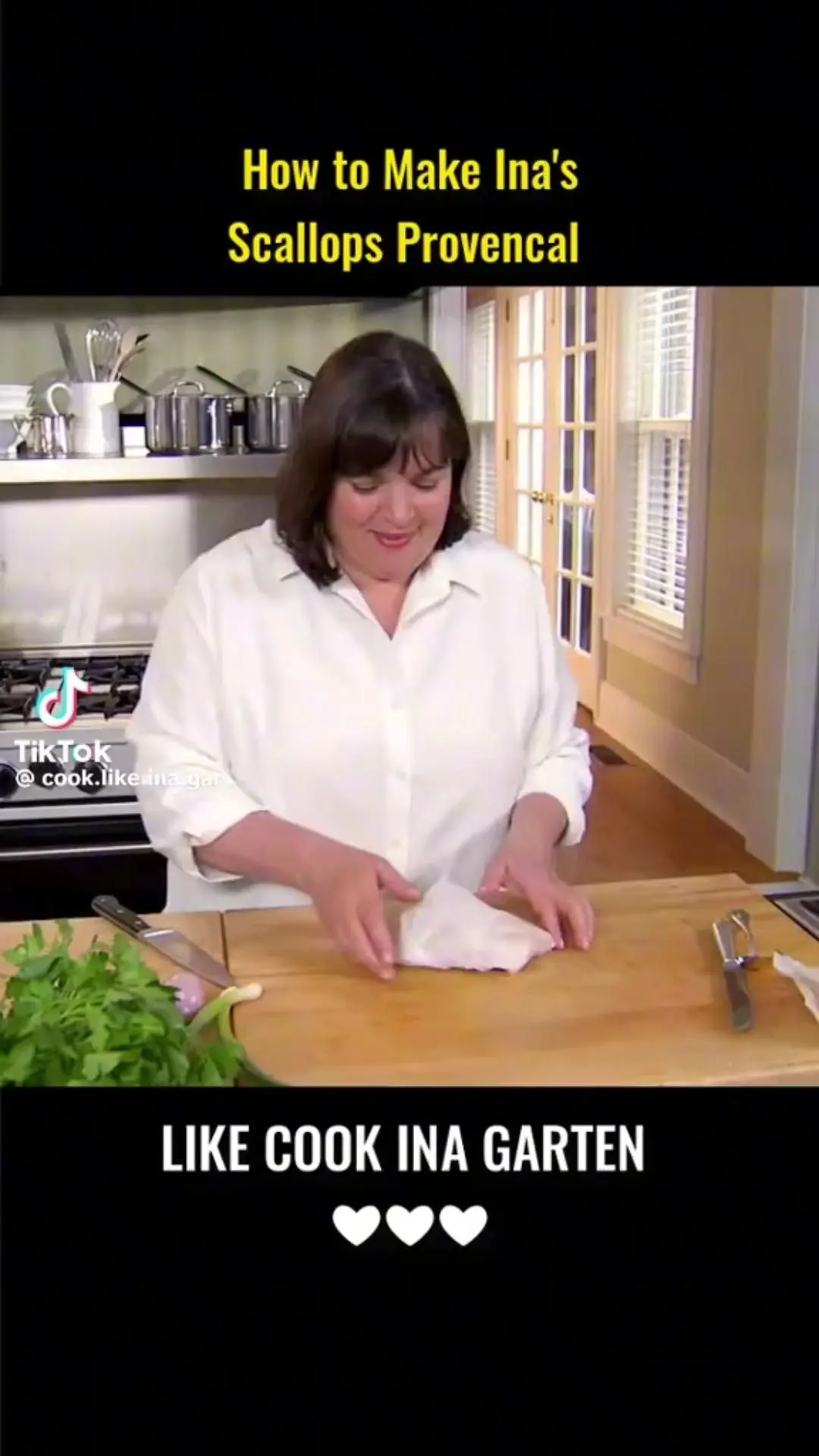
Scallops Provençal
Scallops Provençal sears sweet sea scallops in garlicky tomato, olive and herb butter for a bright, elegant dinner on the table in under an hour.
🧂 Ingredients
- 1 1/2 pounds (680 g) large sea scallops, side muscle removed
- 3 tablespoons olive oil, divided
- 2 tablespoons unsalted butter, divided
- 4 cloves garlic, thinly sliced
- 1 pint (300 g) cherry tomatoes, halved
- 1/2 cup (120 ml) dry white wine
- 1/3 cup (50 g) pitted Kalamata or Niçoise olives, halved
- 1 tablespoon capers, drained
- 1/2 teaspoon kosher salt, plus more for the scallops
- 1/4 teaspoon freshly ground black pepper
- 1 teaspoon chopped fresh thyme, plus more to finish
- 2 tablespoons chopped fresh parsley and 1 teaspoon lemon zest, for serving
📋 Instructions
- 1Prep the scallops — Pat the scallops very dry with paper towels, remove the side muscle if present, and season lightly with salt and pepper. Let them sit uncovered while you chop the garlic, tomatoes, olives and herbs.
- 2Heat the skillet — Heat 2 tablespoons olive oil in a large skillet over medium-high heat until it shimmers, about 2 minutes at 400°F (205°C). You want the surface hot enough that a scallop sizzles the moment it touches the pan.
- 3Sear the first side — Add half the scallops in a single layer and cook undisturbed for 2 minutes at 400°F (205°C) until the underside is deep golden brown and releases easily from the pan. Transfer to a plate and repeat with the remaining scallops and 1 tablespoon oil.
- 4Soften the garlic and tomatoes — Lower the heat to medium, add 1 tablespoon butter and the garlic, and cook for 30 seconds until fragrant but not browned. Add the cherry tomatoes and cook for 4 to 5 minutes at 350°F (175°C) until they soften and begin to burst.
- 5Deglaze with wine — Pour in the white wine and scrape up the browned bits from the bottom of the pan. Simmer for 2 to 3 minutes at 350°F (175°C) until the liquid reduces by about half and no longer smells sharp.
- 6Finish the sauce — Stir in the olives, capers, thyme, 1/2 teaspoon salt and pepper. Simmer for 2 minutes until the sauce is glossy and bubbling at the edges, then swirl in the remaining 1 tablespoon cold butter until melted.
- 7Return the scallops — Nestle the scallops back into the sauce along with any juices on the plate and warm gently for 1 minute at 350°F (175°C). The centers should be just opaque and register 125°F (52°C) on an instant-read thermometer.
- 8Brighten and serve — Scatter the parsley and lemon zest over the top, taste for salt, and serve right away with crusty bread or rice. If it goes wrong and the sauce tastes too salty, add a splash of water and a squeeze of lemon to balance it.

Mireille writes about weeknight cooking built around what is already in the pantry, with a focus on Haitian and Caribbean home dishes made simpler for busy kitchens. She favors short ingredient lists, honest substitutions, and recipes that forgive a missed step. Her angle is feeding a household well without a second trip to the store.