All Recipes Menu
Ina Garten’s Summer Garden Pasta – 30-Minute Easy Dinner
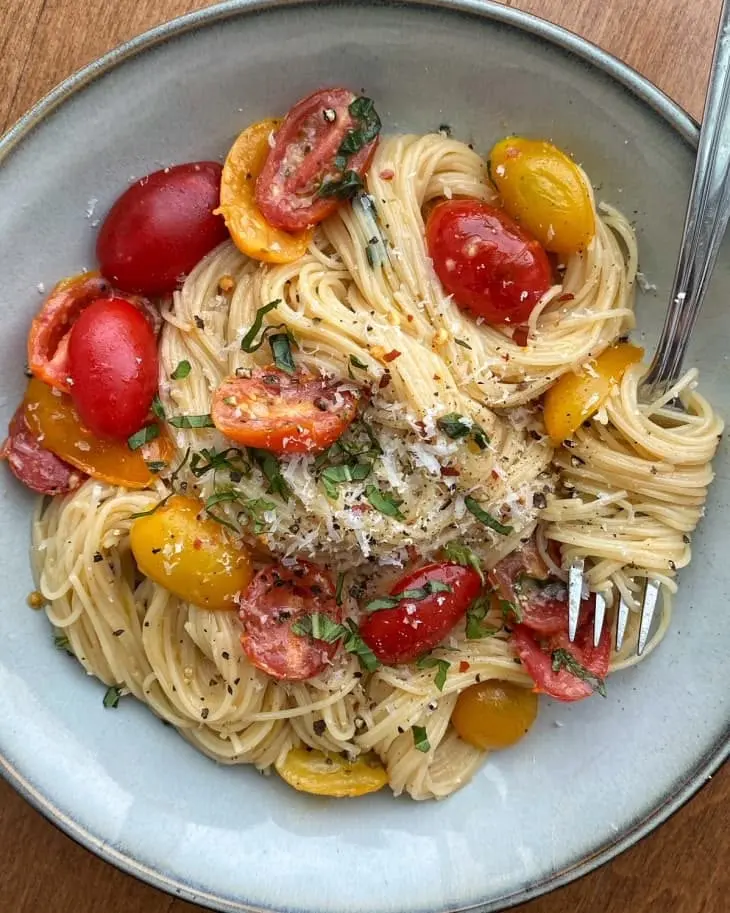
The moment you walk into the kitchen, you smell it before you see it: garlic and basil blooming in a bowl of olive oil, with tomatoes slowly giving up their sweet, sun-warmed juice. That smell is the whole trick behind Ina Garten's Summer Garden Pasta, and it's the reason you'll make it every week from July to September.
You don't cook the sauce at all. You just toss cherry tomatoes with good olive oil, garlic, basil, red pepper flakes, and a big pinch of salt, then let them sit on the counter until the juices pool and the garlic softens. The only thing the stove touches is the pasta, and the hot noodles finish the sauce in the bowl.
It's the kind of dinner that feels lazy in the best way, yet tastes like you spent an hour fussing. Serve it warm on a hot night, with a hunk of bread to mop up every last drop. Taste as you go, then taste again.
Why You'll Love This Recipe
About the Ingredients
2 pints (about 680g) cherry tomatoes, halved
Use the ripest, sweetest cherry or grape tomatoes you can find; if they're pale, add a pinch of sugar. In winter, swap in quartered Campari tomatoes for better flavor.
1/2 cup (120ml) good extra-virgin olive oil
This is the backbone of the sauce, so use an oil you'd happily dip bread into. If yours tastes bitter, blend it half-and-half with a milder oil.
4 large garlic cloves, minced
Fresh garlic only here, please. If you're sensitive to raw bite, let the minced garlic sit in the oil for 10 minutes before adding it to the bowl.
1/2 teaspoon red pepper flakes
Adjust to your heat tolerance; Aleppo pepper is a fruitier, milder swap if you want less burn.
1 packed cup (about 20g) fresh basil leaves, torn
Tear rather than chop so the leaves don't bruise and turn dark. No basil? Use fresh parsley plus a pinch of dried oregano.
1 teaspoon kosher salt, plus more for the pasta water
Kosher salt dissolves evenly into the marinade; if using fine table salt, start with 3/4 teaspoon.
1/2 teaspoon freshly ground black pepper
Crack it fresh for the most aroma; a coarser grind gives pleasant little bursts of heat.
1 pound (450g) dried pasta, such as fusilli or penne
Short, curly shapes trap the juicy tomatoes best. For a gluten-free version, use a good corn-and-rice fusilli and cook it one minute less.
1/2 cup (50g) freshly grated Parmesan, plus more for serving
Grate it yourself from a wedge for the creamiest melt. Pecorino Romano is a sharper, saltier substitute if you like a bolder finish.
Tips & Tricks
Marinate Longer Than You Think
Let the tomatoes sit at room temperature for at least 30 minutes, ideally an hour, so the juices and garlic mellow into a real sauce.
Save That Pasta Water
Reserve a cup of starchy cooking water before draining; a splash loosens the sauce and helps it cling to every curve of the pasta.
Salt the Water Like the Sea
Generously salt the boiling water so the pasta itself is seasoned, since the no-cook sauce is added at the end.
Pro Tips
Step-by-Step Instructions
1. Marinate the Tomatoes
In a large serving bowl, stir together the halved tomatoes, olive oil, garlic, red pepper flakes, basil, 1 teaspoon salt, and black pepper. Let it sit at room temperature for 30 to 60 minutes, until the juices pool at the bottom and the aroma of garlic fills the room.
2. Boil the Water
Bring a large pot of water to a rolling boil at 212°F (100°C) and salt it generously. You want it to taste like mild seawater.
3. Cook the Pasta
Add the pasta and cook for 9 to 11 minutes, until al dente, meaning it's tender but still has a slight firm bite at the center. Scoop out 1 cup of pasta water, then drain.
4. Toss While Hot
Tip the hot pasta straight into the tomato bowl and toss vigorously for 30 seconds, until the tomatoes slump slightly and the sauce turns glossy. Add a splash of pasta water if it looks dry.
5. Finish with Parmesan
Fold in the 1/2 cup Parmesan until it melts into the sauce and the whole bowl smells sweet and peppery. Taste and adjust the salt.
6. Serve Right Away
Pile into warm bowls, shower with extra basil and Parmesan, and eat while the tomatoes are still warm and juicy. Taste as you go, then taste again.
Delicious Variations
Add Creamy Burrata
Tear a ball of burrata over the top just before serving for a rich, melty contrast to the bright tomatoes.
Go Spicy Arrabbiata
Double the red pepper flakes and add a pinch of smoked paprika for a fiery, smoky twist.
Try Zucchini Noodles
Swap half the pasta for spiralized zucchini for a lighter, low-carb version that still soaks up the garlicky juices.
How to Store Ina Garten's Summer Garden Pasta Is (Almost) Too Good to Be True
Refrigerator
Store leftovers in an airtight container in the refrigerator for up to 3 days; the pasta will absorb the sauce, so add a splash of olive oil when reheating.
Freezer
Freezing isn't recommended because the fresh tomatoes and basil turn watery and lose their texture.
Reheating
Reheat gently in a skillet over medium-low heat with a tablespoon of water, tossing until warmed through, about 3 to 4 minutes.
Frequently Asked Questions
Q: Can I make Ina Garten's summer garden pasta ahead of time?
Yes, you can marinate the tomato mixture up to 4 hours ahead and refrigerate it. Let it come back to room temperature for 20 minutes before tossing with the hot pasta so the garlic isn't cold and harsh.
Q: What kind of pasta works best for summer garden pasta?
Short, ridged shapes like fusilli, penne, or farfalle work best because they catch the tomatoes and hold the juices. Long noodles like spaghetti also work, but toss them extra well so the sauce coats every strand.
Q: Do I have to use fresh basil?
Fresh basil is strongly recommended because it's the heart of the flavor, but in a pinch use 1 teaspoon dried oregano plus fresh parsley. Add the dried herb to the marinade and the parsley at the end.
Q: Is this summer garden pasta served hot or cold?
It's best served warm, right after the hot pasta meets the room-temperature tomatoes. That said, it's delicious at room temperature the next day as a pasta salad.
Q: Can I make this recipe vegan?
Yes, simply skip the Parmesan or use a dairy-free grated alternative and check that your pasta is egg-free. The olive oil, garlic, and tomatoes carry plenty of flavor on their own.
Grab the ripest tomatoes you can find, pour a generous glug of your best olive oil, and let the bowl do the work while you set the table. Make it once and it becomes your summer default. Taste as you go, then taste again.
Ina Garten's Summer Garden Pasta Is (Almost) Too Good to Be True
Ina Garten's Summer Garden Pasta marinates juicy tomatoes in garlic and basil for a no-cook sauce that tastes like sunshine on a plate.
🧂 Ingredients
- 2 pints (about 680g) cherry tomatoes, halved
- 1/2 cup (120ml) good extra-virgin olive oil
- 4 large garlic cloves, minced
- 1/2 teaspoon red pepper flakes
- 1 packed cup (about 20g) fresh basil leaves, torn
- 1 teaspoon kosher salt, plus more for the pasta water
- 1/2 teaspoon freshly ground black pepper
- 1 pound (450g) dried pasta, such as fusilli or penne
- 1/2 cup (50g) freshly grated Parmesan, plus more for serving
📋 Instructions
- 1Marinate the Tomatoes — In a large serving bowl, stir together the halved tomatoes, olive oil, garlic, red pepper flakes, basil, 1 teaspoon salt, and black pepper. Let it sit at room temperature for 30 to 60 minutes, until the juices pool at the bottom and the aroma of garlic fills the room.
- 2Boil the Water — Bring a large pot of water to a rolling boil at 212°F (100°C) and salt it generously. You want it to taste like mild seawater.
- 3Cook the Pasta — Add the pasta and cook for 9 to 11 minutes, until al dente, meaning it's tender but still has a slight firm bite at the center. Scoop out 1 cup of pasta water, then drain.
- 4Toss While Hot — Tip the hot pasta straight into the tomato bowl and toss vigorously for 30 seconds, until the tomatoes slump slightly and the sauce turns glossy. Add a splash of pasta water if it looks dry.
- 5Finish with Parmesan — Fold in the 1/2 cup Parmesan until it melts into the sauce and the whole bowl smells sweet and peppery. Taste and adjust the salt.
- 6Serve Right Away — Pile into warm bowls, shower with extra basil and Parmesan, and eat while the tomatoes are still warm and juicy. Taste as you go, then taste again.

Priya writes about South Indian home cooking and the improvisation that happens in real kitchens, from quick weekday tiffins to slow weekend spreads. She is interested in how a single tempering of spices changes a dish and in adapting familiar recipes to what a cook has on hand. Her angle is playful, sensory recipe writing that treats cooking as something to tinker with.