All Recipes Menu
Ina Garten’s Chocolate Cake – The Best Ever Moist Slice
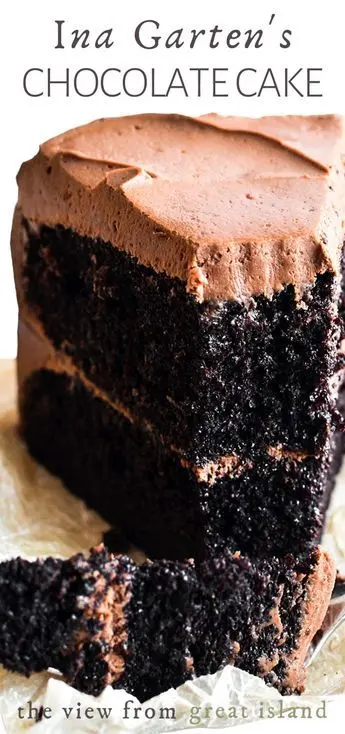
This is the chocolate cake I make when I want people to remember dessert. Ina Garten's version earns its spot in the weekly rotation because it stays impossibly moist for days and comes together in one bowl with no stand mixer in sight.
The secret is hot brewed coffee poured into the batter at the very end. It blooms the cocoa, deepens the flavor, and thins the batter just enough to bake into a velvety, even crumb. Don't worry, the cake does not taste like coffee, it just tastes more like chocolate.
The frosting is a simple chocolate-buttercream glaze that goes on warm and sets to a soft sheen. If you've ever had a dry chocolate cake, this one will change your mind.
Why You'll Love This Recipe
About the Ingredients
1 3/4 cups (220g) all-purpose flour
Spoon it into the cup and level it off so the cake stays tender. For a gluten-free version, swap in a 1:1 baking blend plus 1/2 teaspoon xanthan gum.
2 cups (400g) granulated sugar
This is the full amount for a moist, classic crumb, so don't cut it. If you prefer, replace up to 1/4 cup with packed brown sugar for a deeper molasses note.
3/4 cup (75g) unsweetened cocoa powder
Use Dutch-process cocoa for a darker, smoother chocolate flavor. Natural cocoa works too, but the cake will be a touch lighter in color and more tangy.
2 teaspoons baking soda
Check the date on the can, since old baking soda won't lift the cake. It's not interchangeable with baking powder here, so don't substitute.
1 teaspoon baking powder
Fresh baking powder gives the second lift this batter needs. If yours has been open more than a year, buy a new tin.
1 teaspoon kosher salt
Fine sea salt works one-for-one. If you only have table salt, use 3/4 teaspoon, since it's much saltier by volume.
2 large eggs, at room temperature
Room-temperature eggs emulsify better and give a finer crumb. In a hurry, rest them in a bowl of warm tap water for 10 minutes.
1 cup (240ml) buttermilk, shaken
If you don't have buttermilk, stir 1 tablespoon lemon juice into 1 cup whole milk and let it sit 10 minutes. Plain yogurt thinned with milk also works.
1/2 cup (120ml) vegetable oil
Any neutral oil like canola or sunflower is fine. Melted coconut oil can stand in, but the cake will carry a faint coconut taste.
1 cup (240ml) hot brewed coffee
Decaf is perfectly fine, and hot water plus 1 teaspoon espresso powder is a good stand-in. The heat is what blooms the cocoa, so keep it hot.
6 tablespoons (85g) unsalted butter, softened, for the glaze
Salted butter works if you skip the pinch of salt in the glaze. Let it soften on the counter rather than in the microwave so it creams evenly.
4 ounces (115g) semisweet chocolate, chopped, plus 1 cup (120g) powdered sugar for the glaze
Chocolate chips can substitute in a pinch, but chopped bar chocolate melts smoother. Sift the powdered sugar to avoid lumps.
Tips & Tricks
Don't Overmix the Batter
Stop whisking the moment the flour streaks disappear, because extra mixing develops gluten and makes the cake tough.
Grease Every Corner
Butter and flour the pan all the way up the sides so the cake releases cleanly and doesn't crack.
Use Truly Hot Coffee
Let the coffee come off the boil for a minute, then pour it in, since lukewarm liquid won't bloom the cocoa properly.
Cool Before Glazing
Wait until the cake is barely warm to the touch, or the butter glaze will slide right off the top.
Pro Tips
Step-by-Step Instructions
1. Heat the oven
Preheat the oven to 350°F (175°C). Butter a 9-inch round cake pan, line the bottom with parchment, and butter and flour the parchment and sides.
2. Whisk the dry mix
In a large bowl, whisk together the flour, sugar, cocoa, baking soda, baking powder, and salt until no cocoa streaks remain.
3. Add the wet ingredients
Make a well in the center and add the eggs, buttermilk, and oil. Whisk from the center outward until the batter is smooth and glossy, about 1 minute.
4. Pour in the coffee
Slowly stream in the hot coffee while whisking gently. The batter will be very thin, almost like pancake batter, and smell deeply of chocolate.
5. Bake the cake
Pour into the prepared pan and bake 35 to 40 minutes, until the top springs back and a toothpick in the center comes out with moist crumbs. The internal temperature should read about 205°F (96°C).
6. Cool in the pan
Set the pan on a rack for 15 minutes, then turn the cake out, peel off the parchment, and cool completely on the rack.
7. Make the glaze
Melt the butter and chocolate together over low heat or in short microwave bursts, then whisk in the powdered sugar and a pinch of salt until glossy and pourable.
8. Glaze and serve
Set the cake on a plate and pour the warm glaze over the top, letting it drip down the sides. Let it set 20 minutes before slicing.
Delicious Variations
Mocha Swirl
Add 1 teaspoon espresso powder to the glaze and swirl it into the top before it sets.
Chocolate Chip Loaf
Bake the same batter in a loaf pan at 350°F (175°C) for 50 to 55 minutes and fold in 1 cup chocolate chips.
Raspberry Layer Cake
Split the cooled cake in half, spread the bottom with seedless raspberry jam, and sandwich it back together before glazing.
How to Store Ina Garten's Chocolate Cake (Best Chocolate Cake Ever)
Refrigerator
Wrap the cooled, glazed cake tightly and refrigerate up to 5 days. Bring slices to room temperature for 20 minutes before serving.
Freezer
Wrap the unfrosted cake in plastic and foil and freeze up to 3 months. Thaw overnight in the refrigerator, then glaze fresh.
Reheating
A slice microwaved 15 to 20 seconds comes back to that just-baked softness. Don't overdo it, or the glaze turns to liquid.
Frequently Asked Questions
Q: Can I make Ina Garten's chocolate cake without coffee?
Yes, simply use hot water in place of the coffee and the cake still bakes beautifully. The coffee only deepens the chocolate flavor, so the cake won't taste like coffee either way.
Q: Why is my chocolate cake dry?
Dry cake almost always comes from overbaking or packing the flour into the cup. Spoon and level your flour, and pull the cake as soon as a toothpick shows moist crumbs rather than wet batter.
Q: Can I use this recipe for cupcakes?
Absolutely, and it makes about 24 cupcakes. Bake them at 350°F (175°C) for 18 to 22 minutes, until the tops spring back when lightly pressed.
Q: Do I have to use buttermilk?
No, and the easiest swap is 1 cup whole milk with 1 tablespoon lemon juice stirred in for 10 minutes. The acid reacts with the baking soda to give the cake its tender lift.
Q: Can I freeze this chocolate cake?
Yes, the unfrosted cake freezes beautifully for up to 3 months. Wrap it tightly in plastic and foil, thaw overnight in the fridge, and glaze it the day you serve it.
Bake this one this weekend and watch how fast the plate empties. If you try a variation, I'd love to hear which one won your table. Cook it your way, and tell me how it went.
Ina Garten's Chocolate Cake (Best Chocolate Cake Ever)
Ina Garten's chocolate cake is the richest, most tender cocoa cake you'll ever bake, thanks to hot coffee and buttermilk. One bowl, one pan, pure joy.
🧂 Ingredients
- 1 3/4 cups (220g) all-purpose flour
- 2 cups (400g) granulated sugar
- 3/4 cup (75g) unsweetened cocoa powder
- 2 teaspoons baking soda
- 1 teaspoon baking powder
- 1 teaspoon kosher salt
- 2 large eggs, at room temperature
- 1 cup (240ml) buttermilk, shaken
- 1/2 cup (120ml) vegetable oil
- 1 cup (240ml) hot brewed coffee
- 6 tablespoons (85g) unsalted butter, softened, for the glaze
- 4 ounces (115g) semisweet chocolate, chopped, plus 1 cup (120g) powdered sugar for the glaze
📋 Instructions
- 1Heat the oven — Preheat the oven to 350°F (175°C). Butter a 9-inch round cake pan, line the bottom with parchment, and butter and flour the parchment and sides.
- 2Whisk the dry mix — In a large bowl, whisk together the flour, sugar, cocoa, baking soda, baking powder, and salt until no cocoa streaks remain.
- 3Add the wet ingredients — Make a well in the center and add the eggs, buttermilk, and oil. Whisk from the center outward until the batter is smooth and glossy, about 1 minute.
- 4Pour in the coffee — Slowly stream in the hot coffee while whisking gently. The batter will be very thin, almost like pancake batter, and smell deeply of chocolate.
- 5Bake the cake — Pour into the prepared pan and bake 35 to 40 minutes, until the top springs back and a toothpick in the center comes out with moist crumbs. The internal temperature should read about 205°F (96°C).
- 6Cool in the pan — Set the pan on a rack for 15 minutes, then turn the cake out, peel off the parchment, and cool completely on the rack.
- 7Make the glaze — Melt the butter and chocolate together over low heat or in short microwave bursts, then whisk in the powdered sugar and a pinch of salt until glossy and pourable.
- 8Glaze and serve — Set the cake on a plate and pour the warm glaze over the top, letting it drip down the sides. Let it set 20 minutes before slicing.

Mireille writes about weeknight cooking built around what is already in the pantry, with a focus on Haitian and Caribbean home dishes made simpler for busy kitchens. She favors short ingredient lists, honest substitutions, and recipes that forgive a missed step. Her angle is feeding a household well without a second trip to the store.