All Recipes Menu
Garlic Parmesan Pasta – Creamy 25-Minute Weeknight Dinner
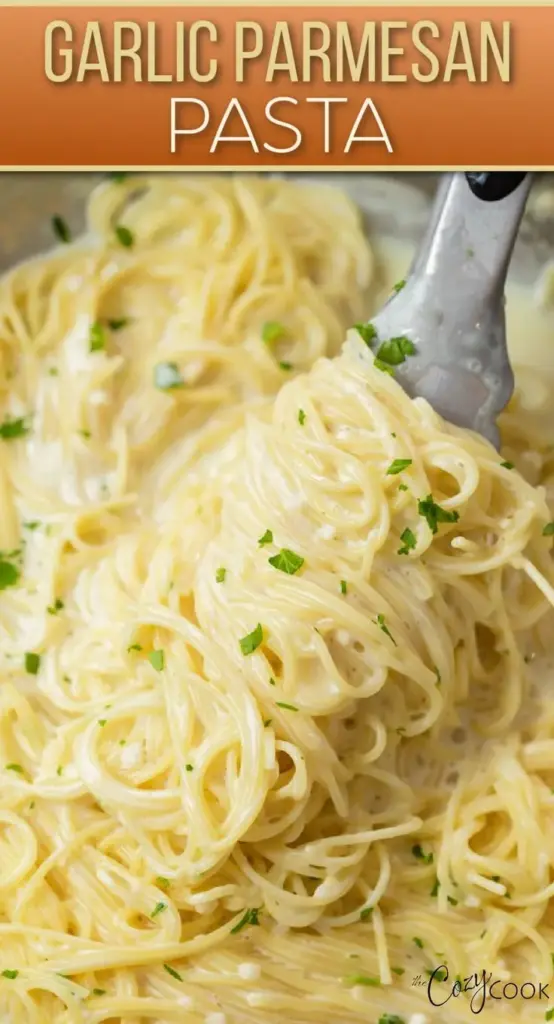
Garlic Parmesan Pasta earns its spot in the weekly rotation because it is the rare dinner that feels indulgent but comes together from things you already have in the pantry, on a Tuesday, after a long day.
The magic is simple: toasted garlic, butter, a splash of cream, and a generous snowstorm of Parmesan that clings to every strand of pasta. No specialty equipment, no fussy sauce technique, just a whisk and a watchful eye.
I keep this one in my back pocket for nights when the fridge is nearly empty and everyone is hungry. It never disappoints.
Why You'll Love This Recipe
About the Ingredients
12 oz (340g) dried fettuccine or linguine
Long, flat noodles hold the sauce best. If you only have penne or rotini, use those, just reserve a little extra pasta water since the sauce clings differently.
6 tablespoons (85g) unsalted butter
Salted butter works too; just cut the added salt in the sauce by half. Look for butter that's still firm, not greasy on the wrapper.
8 cloves garlic, finely minced (about 3 tablespoons)
Fresh garlic is essential here. In a pinch, 1 1/2 teaspoons garlic paste can stand in, but the toasted fresh flavor is the whole point.
1 cup (240ml) heavy cream
For a lighter sauce, use half-and-half and simmer 2 minutes longer to thicken. Avoid milk alone, as it can break over heat.
1 1/2 cups (150g) freshly grated Parmesan
Grate it yourself from a block; pre-shredded cheese is coated with starch and clumps. Pecorino Romano is a sharper, saltier swap, so use a bit less.
1/2 teaspoon kosher salt
Start small; Parmesan is salty. If you use table salt, use a scant 1/4 teaspoon.
1/2 teaspoon freshly cracked black pepper
Freshly cracked makes a real difference. A pinch of red pepper flakes is a nice swap if you like gentle heat.
2 tablespoons chopped fresh parsley
Flat-leaf parsley is best. If you have none, torn basil or a pinch of dried oregano works.
1/2 cup (120ml) reserved pasta water
Starchy pasta water is your sauce adjuster. Don't skip reserving it, as it rescues a sauce that tightens up.
Tips & Tricks
Don't burn the garlic
Keep the heat at medium-low and stir constantly for 60 to 90 seconds until fragrant and just pale gold. Burnt garlic turns the whole sauce bitter, so pull the pan off the heat the moment it darkens.
Grate your own Parmesan
Pre-shredded cheese won't melt smoothly and can leave a grainy sauce. A block and a box grater take two minutes and give you a silky finish.
Save that pasta water
Scoop out a cup before draining. A splash loosens a tight sauce and helps it cling instead of pooling at the bottom of the bowl.
Watch the cream
Simmer gently at medium-low, not a rolling boil, or the cream can separate. Small bubbles around the edges are your cue.
Pro Tips
Step-by-Step Instructions
1. Boil the pasta
Bring a large pot of well-salted water to a rolling boil at 212°F (100°C). Add the pasta and cook 1 minute less than the package directions, until just shy of al dente (it should still have a slight bite in the center). Reserve 1/2 cup pasta water, then drain.
2. Melt the butter
While the pasta cooks, melt the butter in a large skillet over medium-low heat, about 2 minutes, until it foams and smells nutty.
3. Toast the garlic
Add the minced garlic and stir constantly for 60 to 90 seconds at medium-low heat, until fragrant and pale golden. Do not let it brown deeply; pull the pan off the heat if it starts to darken.
4. Simmer the cream
Pour in the cream and bring to a gentle simmer, about 2 minutes. You want small bubbles at the edges, not a rolling boil. Cook 3 to 4 minutes, stirring, until it thickens enough to coat the back of a spoon.
5. Melt in the Parmesan
Reduce heat to low and whisk in the Parmesan in three additions, stirring until each handful melts before adding the next, about 2 minutes total. The sauce should look glossy and smooth.
6. Toss the pasta
Add the drained pasta to the skillet and toss with tongs for 1 to 2 minutes until every strand is coated. Add reserved pasta water a tablespoon at a time if the sauce tightens.
7. Season and serve
Stir in the salt, pepper, and parsley, taste, and adjust. Serve immediately in warm bowls, as the sauce thickens quickly as it cools.
Delicious Variations
Chicken Parmesan Pasta
Fold in 2 cups of sliced grilled chicken and a handful of mozzarella for a heartier, protein-packed dinner.
Lemon Garlic Parmesan Pasta
Add the zest of one lemon and a squeeze of juice at the end for a bright, springy twist.
Spicy Garlic Parmesan Pasta
Add 1/2 teaspoon red pepper flakes with the garlic and finish with a pinch of chili flakes on top.
How to Store Garlic Parmesan Pasta
Refrigerator
Store leftovers in an airtight container for up to 3 days. The sauce will thicken, so reheat with a splash of water or milk.
Freezer
Freezing is not ideal because cream sauces can separate, but you can freeze for up to 1 month; thaw overnight in the fridge and reheat gently.
Reheating
Reheat on the stovetop over low heat with 1 to 2 tablespoons of water or milk, stirring until glossy. Avoid the microwave on high, which can make the sauce grainy.
Frequently Asked Questions
Q: Can I make garlic Parmesan pasta without cream?
Yes, you can use half-and-half, whole milk thickened with a teaspoon of flour, or even a splash of the reserved pasta water whisked with extra butter and Parmesan. The sauce will be a bit thinner, so simmer it a couple of minutes longer to reduce.
Q: Why did my garlic Parmesan sauce turn grainy?
The sauce usually turns grainy when the heat is too high or the cheese is added too fast. Keep the pan at low heat, take it off the burner before whisking in the Parmesan, and add the cheese in small handfuls.
Q: How much garlic should I use for garlic Parmesan pasta?
For 12 ounces of pasta, 6 to 8 cloves (about 3 tablespoons minced) gives a bold but balanced garlic flavor. Use fewer if your cloves are very large or you prefer a milder sauce.
Q: Can I use pre-shredded Parmesan cheese?
You can, but the sauce will be less smooth because pre-shredded cheese contains anti-caking starch that resists melting. Freshly grated Parmesan from a block gives the creamiest, glossiest result.
Q: What pasta shape is best for garlic Parmesan pasta?
Fettuccine and linguine are the classics because the flat surfaces hold the creamy sauce well. Penne, rigatoni, or rotini also work nicely, especially if you like sauce caught inside the tubes.
Give this Garlic Parmesan Pasta a try on your next busy night, and don't forget to scoop out that pasta water before you drain. Cook it your way, and tell me how it went.
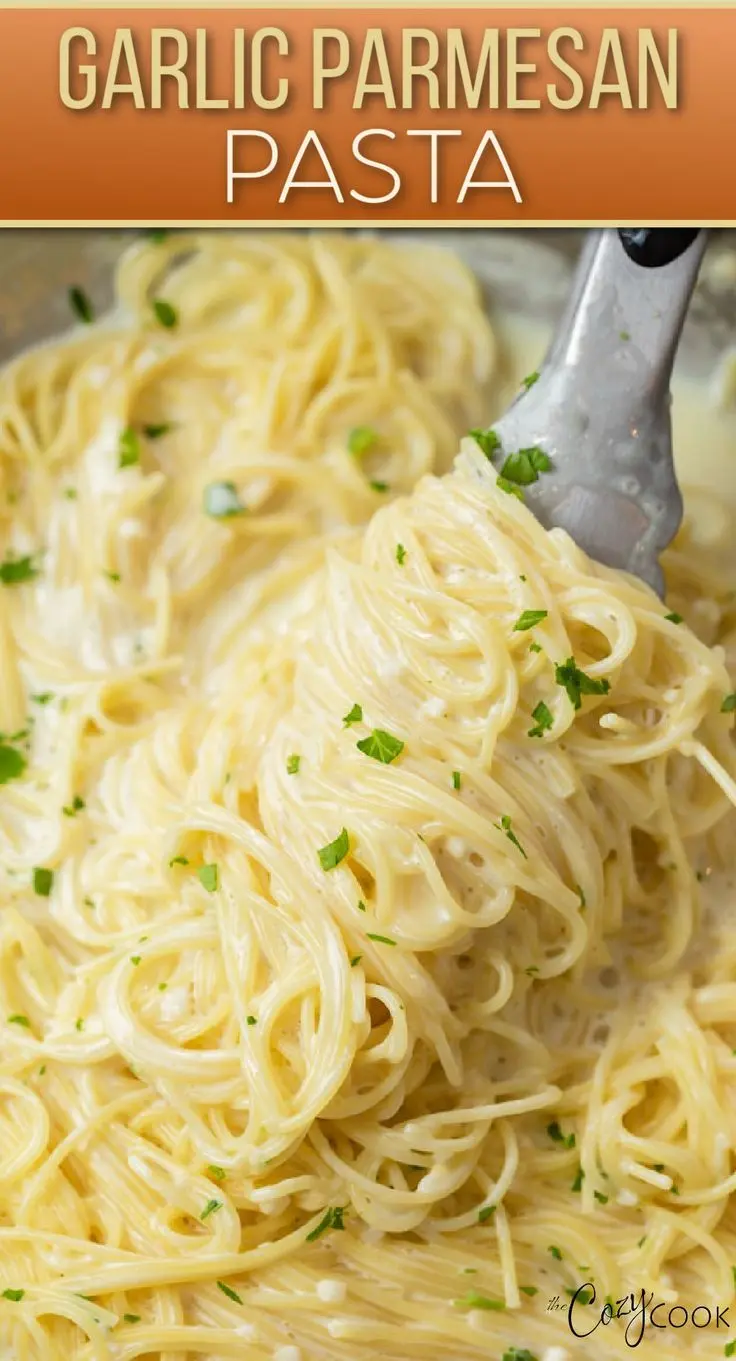
Garlic Parmesan Pasta
Garlic Parmesan Pasta is a creamy, cheesy one-pot dinner that's ready in 25 minutes and turns pantry staples into a rich, garlicky meal.
🧂 Ingredients
- 12 oz (340g) dried fettuccine or linguine
- 6 tablespoons (85g) unsalted butter
- 8 cloves garlic, finely minced (about 3 tablespoons)
- 1 cup (240ml) heavy cream
- 1 1/2 cups (150g) freshly grated Parmesan
- 1/2 teaspoon kosher salt
- 1/2 teaspoon freshly cracked black pepper
- 2 tablespoons chopped fresh parsley
- 1/2 cup (120ml) reserved pasta water
📋 Instructions
- 1Boil the pasta — Bring a large pot of well-salted water to a rolling boil at 212°F (100°C). Add the pasta and cook 1 minute less than the package directions, until just shy of al dente (it should still have a slight bite in the center). Reserve 1/2 cup pasta water, then drain.
- 2Melt the butter — While the pasta cooks, melt the butter in a large skillet over medium-low heat, about 2 minutes, until it foams and smells nutty.
- 3Toast the garlic — Add the minced garlic and stir constantly for 60 to 90 seconds at medium-low heat, until fragrant and pale golden. Do not let it brown deeply; pull the pan off the heat if it starts to darken.
- 4Simmer the cream — Pour in the cream and bring to a gentle simmer, about 2 minutes. You want small bubbles at the edges, not a rolling boil. Cook 3 to 4 minutes, stirring, until it thickens enough to coat the back of a spoon.
- 5Melt in the Parmesan — Reduce heat to low and whisk in the Parmesan in three additions, stirring until each handful melts before adding the next, about 2 minutes total. The sauce should look glossy and smooth.
- 6Toss the pasta — Add the drained pasta to the skillet and toss with tongs for 1 to 2 minutes until every strand is coated. Add reserved pasta water a tablespoon at a time if the sauce tightens.
- 7Season and serve — Stir in the salt, pepper, and parsley, taste, and adjust. Serve immediately in warm bowls, as the sauce thickens quickly as it cools.

Mireille writes about weeknight cooking built around what is already in the pantry, with a focus on Haitian and Caribbean home dishes made simpler for busy kitchens. She favors short ingredient lists, honest substitutions, and recipes that forgive a missed step. Her angle is feeding a household well without a second trip to the store.