All Recipes Menu
Easy Gingerbread Scones with Maple Glaze
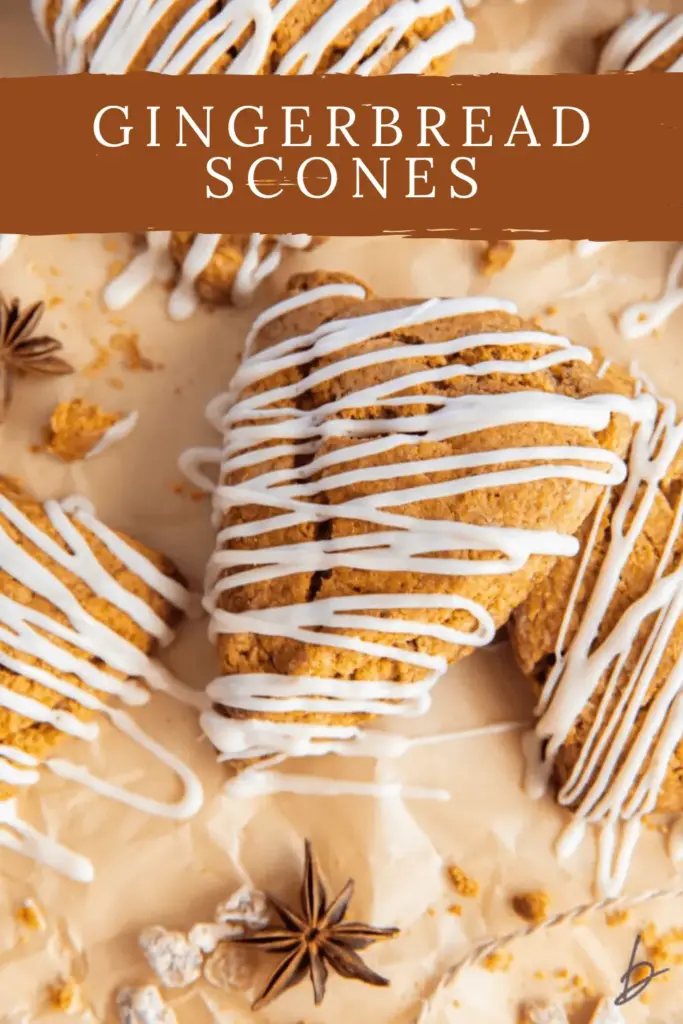
These gingerbread scones balance buttery, tender centers with crisp golden edges and a glossy maple glaze. Molasses and warm gingerbread spices make every bite taste like a cozy holiday morning.
The dough comes together quickly, then a short chill keeps the butter cold for flaky layers. Serve the eight wedges with coffee, tea, or a festive brunch spread.
Why You'll Love This Recipe
About the Ingredients
2 cups (250g) all-purpose flour
Use unbleached flour for a tender crumb. Spoon and level it, or substitute an equal weight of pastry flour for softer scones.
1/3 cup (67g) packed dark brown sugar
Dark brown sugar adds moisture and molasses flavor. Light brown sugar works as a substitute, though the scones will taste slightly milder.
2 teaspoons baking powder
Fresh baking powder provides the main lift. Check the date before buying or substitute an equal amount of double-acting baking powder.
1/2 teaspoon baking soda
Baking soda balances the molasses and helps browning. Buy a fresh box for reliable lift, or substitute 1 1/2 teaspoons additional baking powder if necessary.
1/2 teaspoon fine sea salt
Fine sea salt distributes evenly through the dough. If using table salt, reduce it to 1/4 teaspoon.
2 teaspoons ground gingerbread spice blend
Choose a fragrant blend containing ginger, cinnamon, nutmeg, and cloves. You can substitute 1 1/4 teaspoons ground ginger, 1/2 teaspoon cinnamon, 1/4 teaspoon nutmeg, and a pinch of cloves.
6 tablespoons (85g) cold unsalted butter, cubed
Cold butter creates flaky pockets as it melts. A firm vegan butter stick is the best substitute; avoid soft tub spreads.
1 large egg (50g)
The egg binds the dough and adds richness. Buy a large egg for the stated texture, or substitute 3 tablespoons liquid egg for convenience.
1/3 cup (110g) unsulphured molasses
Mild unsulphured molasses gives deep flavor without bitterness. Choose regular or dark molasses, and avoid blackstrap unless you prefer a very intense taste.
1/2 cup (120ml) cold buttermilk
Cold buttermilk tenderizes the crumb and activates the baking soda. Substitute 1/2 cup milk mixed with 1 1/2 teaspoons lemon juice and rested for 5 minutes.
1 cup (120g) powdered sugar, 2 tablespoons (30ml) pure maple syrup, and 1 tablespoon (15ml) milk for the glaze
Use pure maple syrup for the clearest maple flavor. For a dairy-free glaze, substitute oat milk; for a thinner glaze, buy or add another teaspoon of milk.
Tips & Tricks
Keep the butter cold
Work quickly and chill the shaped dough if the butter starts feeling soft.
Avoid tough scones
Mix only until the flour disappears, because overworking develops gluten.
Measure flour carefully
Spoon it into the cup and level it instead of scooping, which can make the dough dry.
Glaze at the right time
Cool the scones for 10 minutes before drizzling so the glaze stays visible rather than melting away.
Pro Tips
Step-by-Step Instructions
1. Preheat the oven
Set the oven to 400°F (204°C) and let it preheat for exactly 15 minutes. Line a baking sheet with parchment while the oven heats.
2. Mix the dry ingredients
Whisk the flour, brown sugar, baking powder, baking soda, salt, and spice blend in a large bowl until evenly combined. This distributes the leaveners and spices before liquid is added.
3. Cut in the butter
Add the cold cubed butter and rub it into the flour with your fingertips until the mixture resembles coarse crumbs with a few pea-sized pieces remaining. Those pieces create flaky pockets.
4. Whisk the wet ingredients
In a separate bowl, whisk the egg, molasses, and cold buttermilk until smooth. Cold liquid helps keep the butter firm.
5. Form the dough
Pour the wet mixture into the dry ingredients and fold with a fork just until no dry flour remains. Pat the dough into a 7-inch round on a lightly floured surface.
6. Chill the dough
Cut the round into 8 wedges and transfer them to the lined baking sheet, leaving space between each piece. Chill for exactly 20 minutes to firm the butter and sharpen the layers.
7. Bake the scones
Bake at 400°F (204°C) for exactly 17 minutes, rotating the pan at minute 9. The scones are done when the tops are golden brown, the edges are set, and the centers reach 195°F (91°C).
8. Whisk the glaze
While the scones bake, whisk the powdered sugar, maple syrup, and milk until smooth and thick enough to drizzle. Add milk one teaspoon at a time if needed.
9. Glaze and serve
Cool the scones on the pan for 10 minutes, then drizzle with the maple glaze. Serve warm or at room temperature with the glaze still glossy.
Delicious Variations
Orange Gingerbread
Add 1 teaspoon finely grated orange zest to the wet ingredients and top the glaze with extra zest.
Pecan Maple
Fold 1/2 cup (55g) finely chopped toasted pecans into the dry ingredients before adding the wet mixture.
Chocolate Spice
Add 1/2 cup (85g) mini semisweet chocolate chips for a richer, dessert-style scone.
How to Store Gingerbread Scones with Maple Glaze
Refrigerator
Store glazed scones in an airtight container for up to 3 days. Keep them at room temperature for the best texture if your kitchen is cool, or refrigerate during warm weather.
Freezer
Freeze unglazed baked scones in a sealed bag for up to 2 months. Thaw overnight in the refrigerator, then glaze after warming.
Reheating
Warm individual scones at 325°F (163°C) for 5 minutes, or microwave for 10 seconds. Add fresh glaze after reheating if the original topping has absorbed.
Frequently Asked Questions
Q: Can I make gingerbread scones ahead of time?
Yes, you can shape the unbaked scones, cover them, and refrigerate them for up to 24 hours. Bake them straight from the refrigerator, adding 2 minutes if the centers are still cool.
Q: Why are my gingerbread scones dry?
Gingerbread scones are usually dry because too much flour was measured or the dough was overmixed. Spoon flour into the measuring cup, stop folding as soon as it comes together, and avoid adding extra flour while shaping.
Q: Can I freeze gingerbread scones with maple glaze?
Yes, but freeze the scones without glaze for the best finish. Thaw and reheat them, then drizzle with freshly mixed maple glaze before serving.
Q: What kind of molasses is best for gingerbread scones?
Regular unsulphured molasses is best for balanced gingerbread scones. Blackstrap molasses is much more bitter and can overpower the maple glaze.
Bake a batch of these warmly spiced scones for your next cozy breakfast, then share the golden wedges with someone who loves maple and gingerbread flavors.

Gingerbread Scones with Maple Glaze
Gingerbread Scones with Maple Glaze deliver warmly spiced, tender wedges with a crisp top, making an elegant 30-minute breakfast or holiday brunch treat.
🧂 Ingredients
- 2 cups (250g) all-purpose flour
- 1/3 cup (67g) packed dark brown sugar
- 2 teaspoons baking powder
- 1/2 teaspoon baking soda
- 1/2 teaspoon fine sea salt
- 2 teaspoons ground gingerbread spice blend
- 6 tablespoons (85g) cold unsalted butter, cubed
- 1 large egg (50g)
- 1/3 cup (110g) unsulphured molasses
- 1/2 cup (120ml) cold buttermilk
- 1 cup (120g) powdered sugar, 2 tablespoons (30ml) pure maple syrup, and 1 tablespoon (15ml) milk for the glaze
📋 Instructions
- 1Preheat the oven — Set the oven to 400°F (204°C) and let it preheat for exactly 15 minutes. Line a baking sheet with parchment while the oven heats.
- 2Mix the dry ingredients — Whisk the flour, brown sugar, baking powder, baking soda, salt, and spice blend in a large bowl until evenly combined. This distributes the leaveners and spices before liquid is added.
- 3Cut in the butter — Add the cold cubed butter and rub it into the flour with your fingertips until the mixture resembles coarse crumbs with a few pea-sized pieces remaining. Those pieces create flaky pockets.
- 4Whisk the wet ingredients — In a separate bowl, whisk the egg, molasses, and cold buttermilk until smooth. Cold liquid helps keep the butter firm.
- 5Form the dough — Pour the wet mixture into the dry ingredients and fold with a fork just until no dry flour remains. Pat the dough into a 7-inch round on a lightly floured surface.
- 6Chill the dough — Cut the round into 8 wedges and transfer them to the lined baking sheet, leaving space between each piece. Chill for exactly 20 minutes to firm the butter and sharpen the layers.
- 7Bake the scones — Bake at 400°F (204°C) for exactly 17 minutes, rotating the pan at minute 9. The scones are done when the tops are golden brown, the edges are set, and the centers reach 195°F (91°C).
- 8Whisk the glaze — While the scones bake, whisk the powdered sugar, maple syrup, and milk until smooth and thick enough to drizzle. Add milk one teaspoon at a time if needed.
- 9Glaze and serve — Cool the scones on the pan for 10 minutes, then drizzle with the maple glaze. Serve warm or at room temperature with the glaze still glossy.