All Recipes Menu
Easy Chicken Teriyaki Bowl – 30-Minute Weeknight Dinner
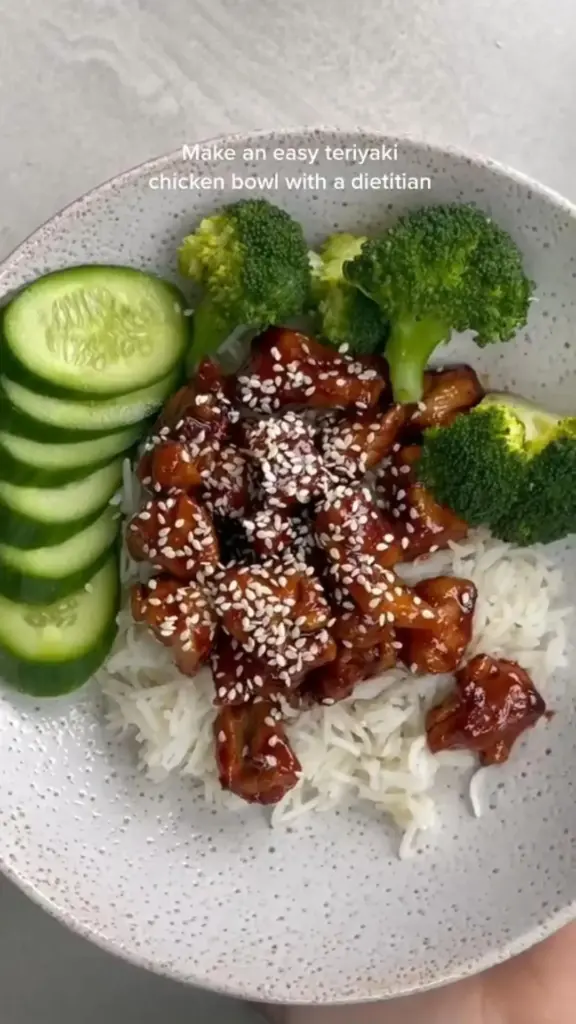
A chicken teriyaki bowl succeeds or fails on two things: a dry surface on the chicken and a glaze that reduces instead of boils. This recipe handles both. You sear 700 g (1.5 lb) of boneless thigh in a hot pan, then build the sauce in the same skillet so every drop carries the browned fond.
The numbers matter here. Thigh meat needs 74 C (165 F) internal, and the glaze needs to hit a slow bubble before the sugar thickens it. Watch both cues and the bowl comes together in under an hour with 15 minutes of actual work.
Serve it over 900 g (5 cups) of cooked short-grain rice with quick-blanched broccoli. The whole assembly is a single pan plus a pot, which is the point on a Tuesday.
Why You'll Love This Recipe
About the Ingredients
700 g (1.5 lb) boneless, skinless chicken thighs, cut into 4 cm (1.5 in) pieces
Thigh stays juicy where breast dries out; if you only have breast, cut it the same size and pull it at 71 C (160 F). Buy air-chilled thighs if your market stocks them, they sear cleaner.
240 ml (1 cup) low-sodium soy sauce
Low-sodium keeps the glaze from turning salty after reduction. Tamari works for gluten-free needs and tastes slightly rounder.
120 ml (1/2 cup) mirin
Mirin brings sweetness and shine. Dry sherry plus 1 tablespoon of sugar is a workable substitute if mirin is unavailable.
60 ml (1/4 cup) sake or dry white wine
The alcohol cooks off and leaves acidity behind. Unseasoned rice vinegar diluted half with water is the non-alcoholic swap.
45 g (3 tbsp) granulated sugar
Sugar drives the caramel color. Brown sugar gives a deeper tone but browns faster, so lower the heat slightly.
15 g (1 tbsp) cornstarch whisked into 30 ml (2 tbsp) cold water
This slurry is the thickness guarantee. Arrowroot works but breaks down if reheated hard.
15 ml (1 tbsp) neutral oil
Canola or grapeseed handle high heat without smoking. Do not use olive oil here, it burns before the chicken browns.
20 g (1 tbsp) fresh ginger, grated
Fresh ginger gives a sharp lift. Jarred paste is acceptable but use half the amount, it is more concentrated.
2 cloves garlic, minced (about 6 g)
Mince fine so it does not burn in the hot pan. Garlic powder is a poor substitute in a glaze.
900 g (5 cups) cooked short-grain rice, kept warm
Short-grain clumps and holds the sauce. Jasmine rice is a fine swap if you prefer a looser grain.
300 g (3 cups) broccoli florets
Blanch or steam them separately so the pan stays hot. Snap peas or bok choy cook in the same time.
2 scallions, thinly sliced, plus 1 tsp toasted sesame seeds
Slice on the bias for texture. Skip the sesame if allergies are a concern, the bowl still works.
Tips & Tricks
Dry the chicken first
Pat the pieces thoroughly with paper towel, because surface moisture steams the meat instead of browning it.
Do not crowd the pan
Sear in two batches if needed, since a full pan drops the temperature and the chicken releases water.
Add the slurry off the boil
Whisk it in, then return to a gentle bubble for 60 seconds, because boiling hard breaks the starch.
Rest before slicing
Let larger pieces sit 3 minutes so juices redistribute rather than pooling in the bowl.
Pro Tips
Step-by-Step Instructions
1. Mix the teriyaki base
Whisk 240 ml (1 cup) soy sauce, 120 ml (1/2 cup) mirin, 60 ml (1/4 cup) sake, 45 g (3 tbsp) sugar, ginger, and garlic in a bowl until the sugar dissolves. [Dissolving now prevents gritty spots later.] The mixture is ready when no sugar granules scrape against the bowl.
2. Dry and season the chicken
Pat 700 g (1.5 lb) of thigh pieces completely dry and season lightly with salt and pepper. [Dry surface equals better browning.] The chicken should feel tacky, not wet, when you touch it.
3. Sear the chicken
Heat 15 ml (1 tbsp) oil in a 30 cm (12 in) skillet over medium-high heat until it shimmers, about 2 minutes. Add the chicken in a single layer and cook 5 to 6 minutes per side at 200 C (400 F) pan temperature, until golden brown and the internal temperature reads 74 C (165 F). [Browning builds the flavor base for the sauce.]
4. Remove and hold
Transfer the chicken to a plate and set aside. [It finishes cooking in the glaze.] Leave the browned fond in the pan.
5. Reduce the glaze
Pour the sauce mixture into the hot skillet and bring to a boil over medium heat. Simmer 6 to 8 minutes at 95 C (200 F), until it reduces by roughly one third and coats a spoon. [Reduction concentrates flavor and thickness.]
6. Thicken with slurry
Whisk the cornstarch slurry again, then stir it into the simmering sauce. Cook 60 seconds until the glaze turns glossy and the bubbling edges slow. [Starch needs a full minute to activate.]
7. Return the chicken
Add the chicken and any resting juices back to the pan and toss 2 minutes over medium heat until every piece is coated. [The juices loosen the glaze slightly.] The chicken should look lacquered, not swimming.
8. Blanch the broccoli
Boil 300 g (3 cups) broccoli florets in salted water for 90 seconds, then drain. [Brief cooking keeps it bright and crisp.] The stems should pierce easily with a knife but still snap.
9. Build the bowls
Divide 900 g (5 cups) warm rice among bowls, add chicken and broccoli, and spoon the pan glaze over the top. Finish with scallions and sesame seeds. [Sauce at the end keeps the rice from going soggy.]
Delicious Variations
Salmon Teriyaki Bowl
Swap the chicken for 600 g (1.3 lb) salmon fillet, sear skin-side down 4 minutes, and glaze for the last 2 minutes only.
Teriyaki Tofu Bowl
Use 500 g (1 lb) pressed extra-firm tofu cubes, pan-fry until crisp, and add to the glaze at the end.
Spicy Teriyaki Bowl
Add 10 g (2 tsp) gochujang or sriracha to the sauce base for heat that balances the sugar.
How to Store Easy Chicken Teriyaki Bowl
Refrigerator
Store components separately in airtight containers up to 4 days; keep the glaze and chicken together, rice and broccoli apart.
Freezer
Freeze glazed chicken alone up to 2 months in a sealed bag; rice and broccoli freeze poorly and turn watery.
Reheating
Reheat chicken and glaze in a covered skillet over medium-low heat for 4 to 5 minutes with 15 ml (1 tbsp) water, stirring once.
Frequently Asked Questions
Q: What can I use instead of mirin?
Use dry sherry with a teaspoon of sugar, or 2 tablespoons of rice vinegar plus 1 tablespoon of sugar. Both mimic mirin's sweetness and acidity closely enough.
Weigh the sauce, watch the sear, and repeat until the glaze coats the back of a spoon without dripping. If you cook this bowl, note your pan temperature and your reduction time, then adjust next round. Weigh, watch, repeat.
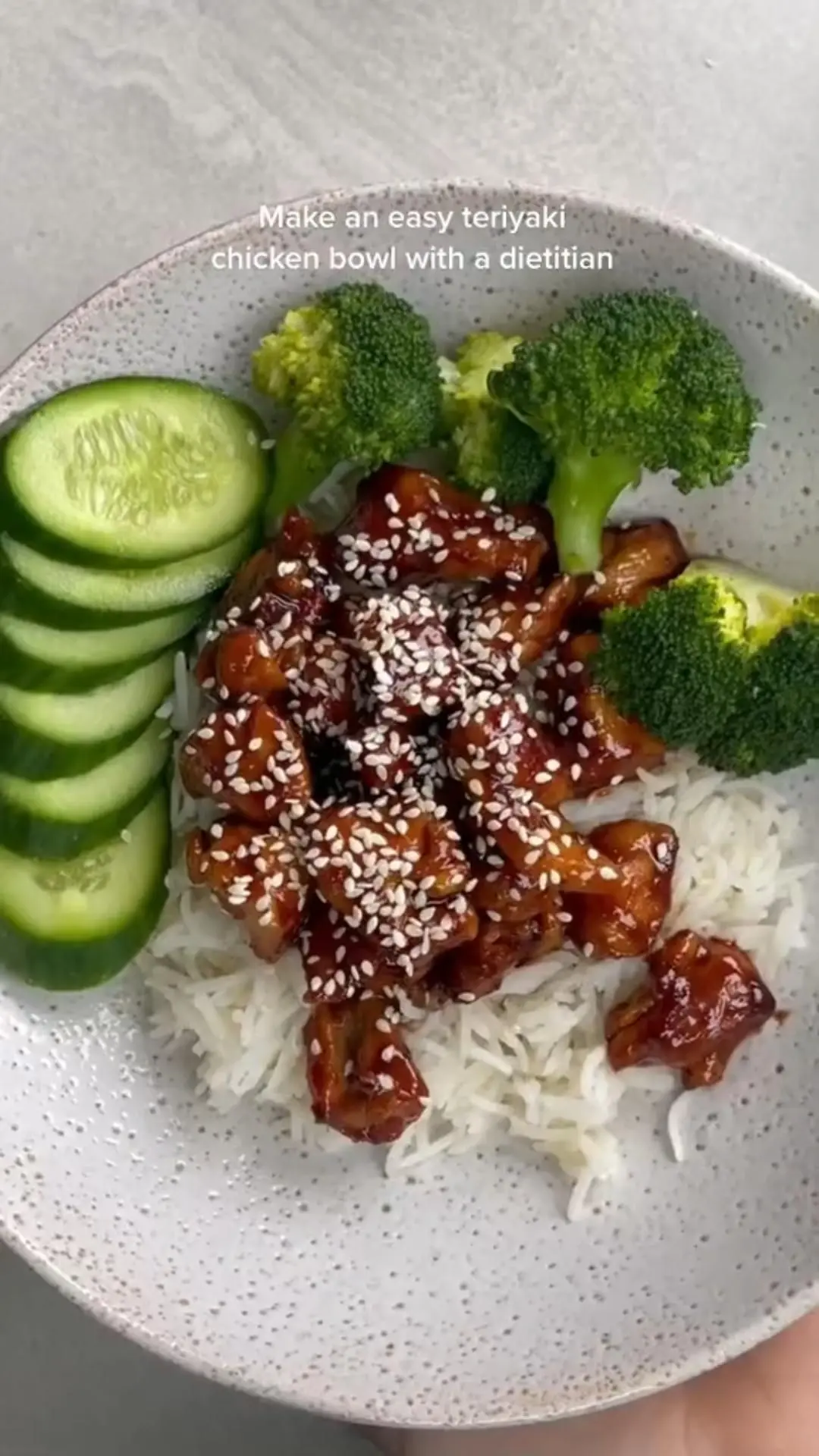
Easy Chicken Teriyaki Bowl
This easy chicken teriyaki bowl pairs caramelized chicken thigh with a glossy soy-mirin glaze over rice for a fast, balanced weeknight dinner.
🧂 Ingredients
- 700 g (1.5 lb) boneless, skinless chicken thighs, cut into 4 cm (1.5 in) pieces
- 240 ml (1 cup) low-sodium soy sauce
- 120 ml (1/2 cup) mirin
- 60 ml (1/4 cup) sake or dry white wine
- 45 g (3 tbsp) granulated sugar
- 15 g (1 tbsp) cornstarch whisked into 30 ml (2 tbsp) cold water
- 15 ml (1 tbsp) neutral oil
- 20 g (1 tbsp) fresh ginger, grated
- 2 cloves garlic, minced (about 6 g)
- 900 g (5 cups) cooked short-grain rice, kept warm
- 300 g (3 cups) broccoli florets
- 2 scallions, thinly sliced, plus 1 tsp toasted sesame seeds
📋 Instructions
- 1Mix the teriyaki base — Whisk 240 ml (1 cup) soy sauce, 120 ml (1/2 cup) mirin, 60 ml (1/4 cup) sake, 45 g (3 tbsp) sugar, ginger, and garlic in a bowl until the sugar dissolves. [Dissolving now prevents gritty spots later.] The mixture is ready when no sugar granules scrape against the bowl.
- 2Dry and season the chicken — Pat 700 g (1.5 lb) of thigh pieces completely dry and season lightly with salt and pepper. [Dry surface equals better browning.] The chicken should feel tacky, not wet, when you touch it.
- 3Sear the chicken — Heat 15 ml (1 tbsp) oil in a 30 cm (12 in) skillet over medium-high heat until it shimmers, about 2 minutes. Add the chicken in a single layer and cook 5 to 6 minutes per side at 200 C (400 F) pan temperature, until golden brown and the internal temperature reads 74 C (165 F). [Browning builds the flavor base for the sauce.]
- 4Remove and hold — Transfer the chicken to a plate and set aside. [It finishes cooking in the glaze.] Leave the browned fond in the pan.
- 5Reduce the glaze — Pour the sauce mixture into the hot skillet and bring to a boil over medium heat. Simmer 6 to 8 minutes at 95 C (200 F), until it reduces by roughly one third and coats a spoon. [Reduction concentrates flavor and thickness.]
- 6Thicken with slurry — Whisk the cornstarch slurry again, then stir it into the simmering sauce. Cook 60 seconds until the glaze turns glossy and the bubbling edges slow. [Starch needs a full minute to activate.]
- 7Return the chicken — Add the chicken and any resting juices back to the pan and toss 2 minutes over medium heat until every piece is coated. [The juices loosen the glaze slightly.] The chicken should look lacquered, not swimming.
- 8Blanch the broccoli — Boil 300 g (3 cups) broccoli florets in salted water for 90 seconds, then drain. [Brief cooking keeps it bright and crisp.] The stems should pierce easily with a knife but still snap.
- 9Build the bowls — Divide 900 g (5 cups) warm rice among bowls, add chicken and broccoli, and spoon the pan glaze over the top. Finish with scallions and sesame seeds. [Sauce at the end keeps the rice from going soggy.]

Tomasz writes precise, method-first recipes for breads, ferments, and slow braises, drawing on Polish and Central European home cooking. He cares about weights, temperatures, and timing, and explains the reason behind each step so cooks can repeat results. His angle is turning fussy techniques into clear, checkable instructions.