All Recipes Menu
Crispy Garlic Parmesan Coated Halibut – Best 50-Minute Bake
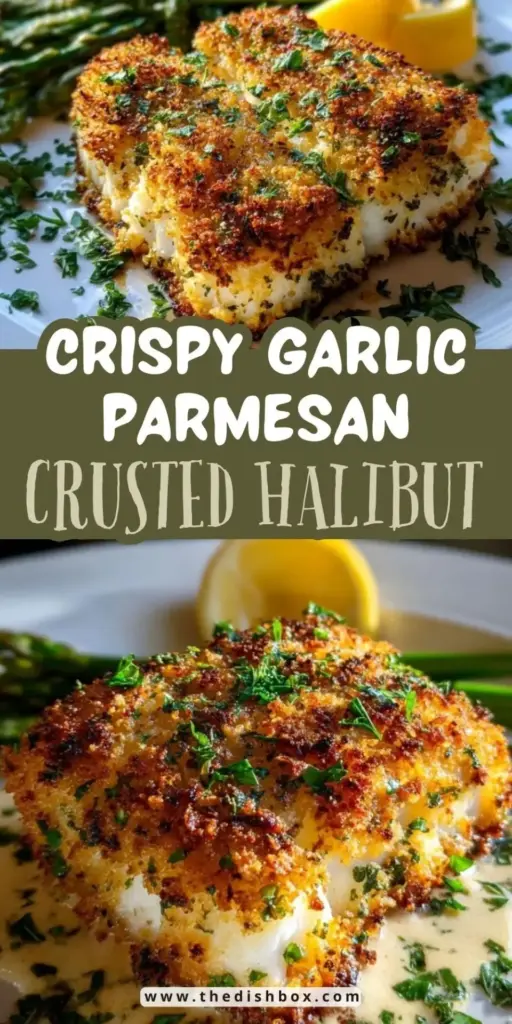
Crispy Garlic Parmesan Coated Halibut is a baked dish built on two layers. The first is a thin mayonnaise and Dijon binder that holds the coating. The second is a panko, Parmesan, and garlic crust that browns fast in a hot oven.
Weigh the panko and the cheese. Volume measures of panko vary by nearly 30 percent, and the crust fails when the ratio drifts. Press the coating on firmly, then bake at 220 C (425 F) until the internal temperature reaches 57 C (135 F).
The halibut stays in fillets, not pieces. Buy steaks or thick fillets of 170-200 g each so the fish finishes at the same time as the crust. Weigh, watch, repeat.
Why You'll Love This Recipe
About the Ingredients
6 halibut fillets, 170-200 g each (about 1.1 kg total)
Ask for center-cut fillets of even thickness. Cod or haddock of the same weight works as a substitute.
60 g (1/2 cup) mayonnaise
Full-fat mayonnaise binds the crust and insulates the fish. Greek yogurt at 10 percent fat is a leaner substitute.
15 g (1 tbsp) Dijon mustard
Dijon adds acidity and helps the coating adhere. Yellow mustard is sharper; use 10 g only.
80 g (1 1/2 cups) panko breadcrumbs
Panko gives the crispest shards. Standard dry breadcrumbs pack tighter and brown faster, so reduce the oven time by 2 minutes.
50 g (1/2 cup) finely grated Parmesan
Grate on a microplane so it melts into the panko. Pecorino is saltier; cut the added salt in half.
3 garlic cloves, finely grated (about 12 g)
Fresh garlic beats powder here. If using garlic powder, use 3 g and mix it into the panko.
30 g (2 tbsp) unsalted butter, melted
Melted butter browns the panko. Olive oil at 25 g works but browns more slowly.
2 g (1/2 tsp) fine sea salt
Salt the fish, not the crust, for even seasoning. Kosher salt needs 3 g for the same effect.
1 g (1/4 tsp) black pepper
Freshly ground pepper releases more aroma. White pepper is milder and fine here.
15 g (1 tbsp) chopped flat-leaf parsley
Added after baking to keep it green. Dill or chives substitute well with halibut.
1 lemon, cut into 6 wedges
Serve for acidity. A splash of white wine in the pan drippings also works.
Tips & Tricks
Dry the fish first
Pat each fillet with paper towel until the surface feels tacky, not slick, or the coating slides off.
Watch the panko color
Pull the pan when the crust is golden brown at the edges; a dark brown panko turns bitter within a minute.
Do not crowd the pan
Leave 3 cm between fillets so steam escapes and the coating stays crisp.
Check temperature early
Begin probing at 10 minutes, since thin tail ends reach 57 C (135 F) well before thick centers.
Pro Tips
Step-by-Step Instructions
1. Heat the oven
Set the oven to 220 C (425 F) and line a sheet pan with parchment. A hot oven sets the panko before the fish releases moisture.
2. Dry the fillets
Pat the halibut dry with paper towel and season both sides with the salt and pepper. A dry surface lets the binder grip the fish.
3. Mix the binder
Stir the mayonnaise, Dijon, and grated garlic in a small bowl until smooth. The mixture should look pale yellow and hold a soft peak.
4. Build the crust
Toss the panko, Parmesan, and melted butter in a bowl until every crumb is damp. The panko should clump lightly when squeezed.
5. Coat the fillets
Brush each fillet with the binder, then press it into the panko mixture on one side only. The coating should look thick and even, with no bare patches.
6. Arrange and bake
Place the fillets coated side up on the pan, spaced 3 cm apart. Bake at 220 C (425 F) for 12 to 14 minutes.
7. Check the temperature
Remove the pan when the crust is golden brown and the center reads 57 C (135 F). The fish should flake at the edge under light pressure.
8. Finish and serve
Scatter the parsley over the fillets and rest 2 minutes. Serve with the lemon wedges while the crust is still crisp.
Delicious Variations
Lemon-Herb Crust
Add 5 g lemon zest and 3 g dried oregano to the panko for a Mediterranean profile.
Spicy Parmesan
Mix 2 g smoked paprika and 1 g cayenne into the crust for heat that builds slowly.
Almond Crust
Replace half the panko with 40 g ground almonds for a gluten-free, nuttier coating.
How to Store Crispy Garlic Parmesan Coated Halibut
Refrigerator
Store cooled fillets in an airtight container for up to 2 days. Keep the crust off the container base to limit sogginess.
Freezer
Freeze unbaked coated fillets on a tray for 1 hour, then wrap each for up to 1 month. Bake from frozen at 220 C (425 F) for 18 to 20 minutes.
Reheating
Reheat at 200 C (400 F) for 6 to 8 minutes on a wire rack. The crust re-crisps and the fish reaches serving temperature without drying.
Frequently Asked Questions
Q: What temperature should halibut be cooked to?
Halibut is done at 57 C (135 F) in the thickest part. It will carry over to about 60 C (140 F) as it rests. Above 63 C (145 F) the flesh turns dry and chalky.
Q: Why is my panko crust soggy?
The coating turns soggy when the fish is wet or the pan is crowded. Dry the fillets, use a mayonnaise binder, and leave 3 cm between pieces so steam escapes.
Q: Can I use frozen halibut for this recipe?
Yes, but thaw it fully in the refrigerator overnight and dry it well. Frozen fish releases water during baking, which softens the crust if the surface is not blotted.
Q: How long does halibut take to bake at 425 F?
Thick fillets of 170-200 g take 12 to 14 minutes at 220 C (425 F). Thin tail pieces finish in 9 to 10 minutes, so check them first.
Q: What can I use instead of mayonnaise in the coating?
Greek yogurt at 10 percent fat or softened butter both work as binders. Yogurt adds tang; butter browns faster, so reduce the oven time by 1 minute.
Weigh the panko, dry the fish, and trust the thermometer. Bake a tray this week and note the exact minute your oven hits golden brown. Weigh, watch, repeat.
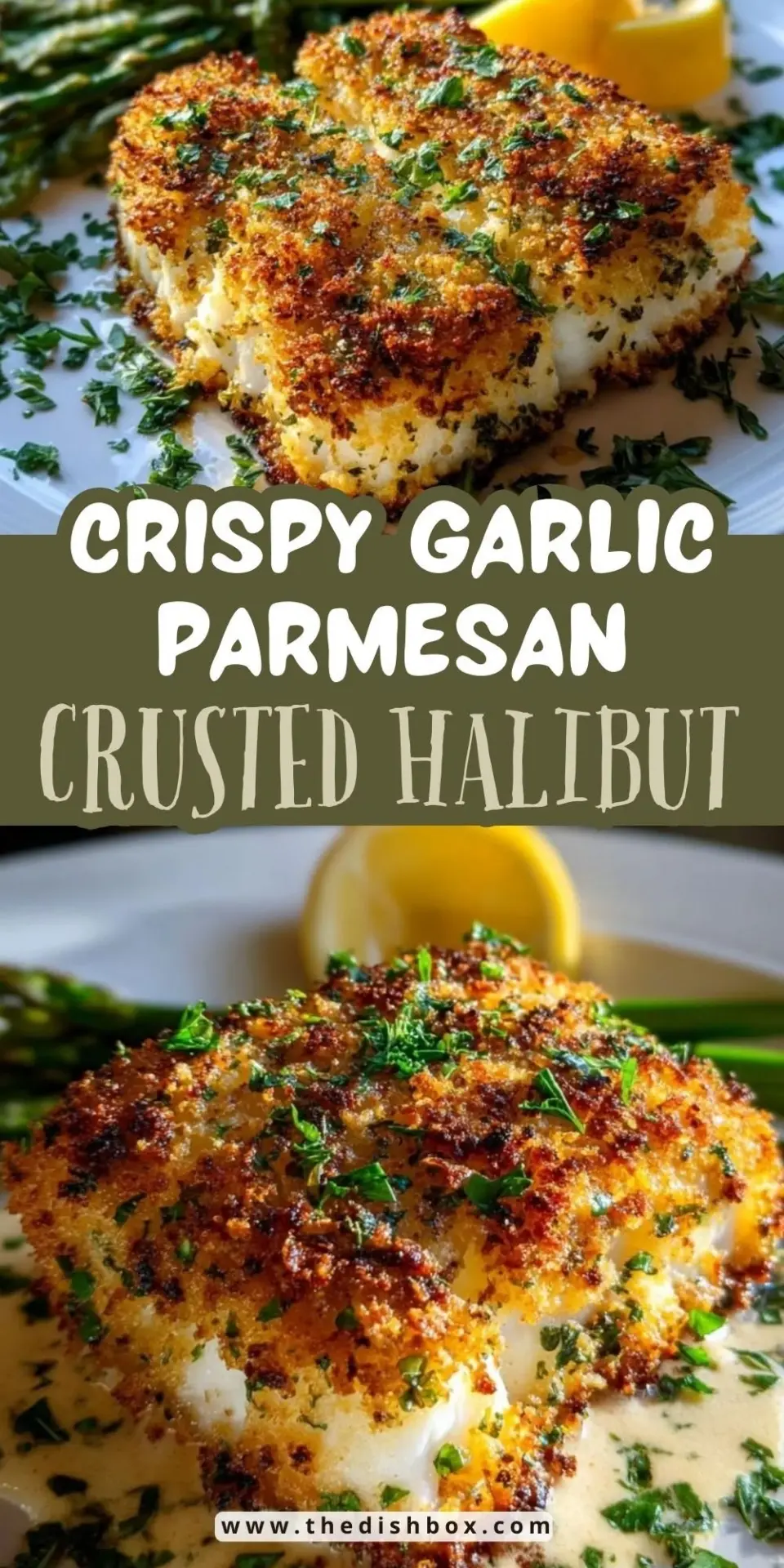
Crispy Garlic Parmesan Coated Halibut
Crispy Garlic Parmesan Coated Halibut bakes in one dish with a golden panko crust, keeping the fish moist inside while the edges turn deeply crisp.
🧂 Ingredients
- 6 halibut fillets, 170-200 g each (about 1.1 kg total)
- 60 g (1/2 cup) mayonnaise
- 15 g (1 tbsp) Dijon mustard
- 80 g (1 1/2 cups) panko breadcrumbs
- 50 g (1/2 cup) finely grated Parmesan
- 3 garlic cloves, finely grated (about 12 g)
- 30 g (2 tbsp) unsalted butter, melted
- 2 g (1/2 tsp) fine sea salt
- 1 g (1/4 tsp) black pepper
- 15 g (1 tbsp) chopped flat-leaf parsley
- 1 lemon, cut into 6 wedges
📋 Instructions
- 1Heat the oven — Set the oven to 220 C (425 F) and line a sheet pan with parchment. A hot oven sets the panko before the fish releases moisture.
- 2Dry the fillets — Pat the halibut dry with paper towel and season both sides with the salt and pepper. A dry surface lets the binder grip the fish.
- 3Mix the binder — Stir the mayonnaise, Dijon, and grated garlic in a small bowl until smooth. The mixture should look pale yellow and hold a soft peak.
- 4Build the crust — Toss the panko, Parmesan, and melted butter in a bowl until every crumb is damp. The panko should clump lightly when squeezed.
- 5Coat the fillets — Brush each fillet with the binder, then press it into the panko mixture on one side only. The coating should look thick and even, with no bare patches.
- 6Arrange and bake — Place the fillets coated side up on the pan, spaced 3 cm apart. Bake at 220 C (425 F) for 12 to 14 minutes.
- 7Check the temperature — Remove the pan when the crust is golden brown and the center reads 57 C (135 F). The fish should flake at the edge under light pressure.
- 8Finish and serve — Scatter the parsley over the fillets and rest 2 minutes. Serve with the lemon wedges while the crust is still crisp.

Tomasz writes precise, method-first recipes for breads, ferments, and slow braises, drawing on Polish and Central European home cooking. He cares about weights, temperatures, and timing, and explains the reason behind each step so cooks can repeat results. His angle is turning fussy techniques into clear, checkable instructions.