All Recipes Menu
Creamy Tuscan Garlic Chicken – One-Pan 50-Minute Dinner
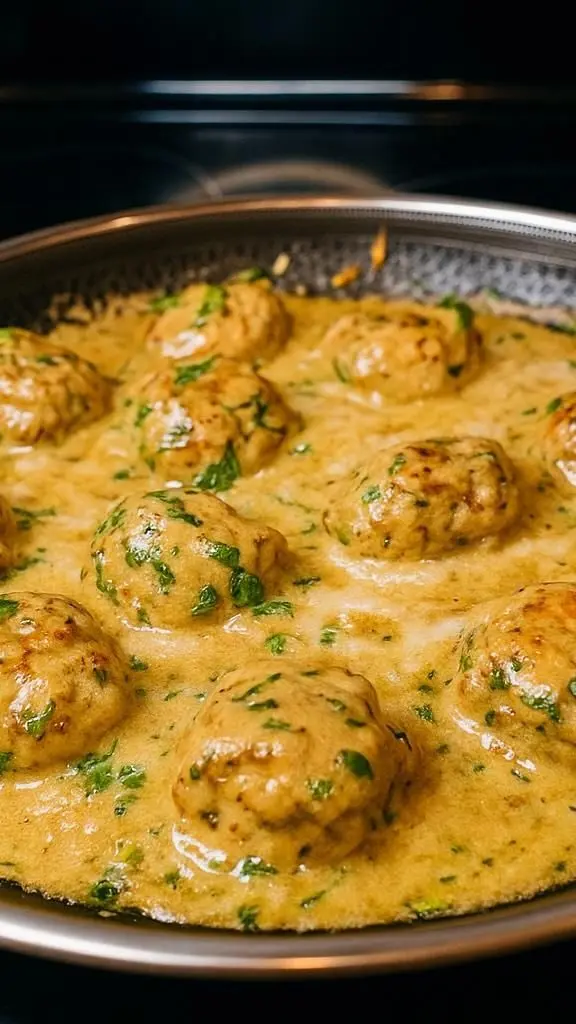
The first thing that hits you is garlic softening in butter, then the sweet-sharp perfume of sun-dried tomatoes blooming in the pan. By the time the cream goes in, anyone within sniffing distance is standing in your kitchen asking what smells so good.
This is the pan I make when I want something that feels like a Sunday restaurant dinner but takes one skillet and under an hour. The chicken gets a deep golden crust, then finishes in a sauce so silky you'll want a spoon for the leftovers.
You'll know it's done by sound, not just sight: the cream stops hissing and starts whispering, thick enough that a spoon dragged across the pan leaves a clean trail. Taste as you go, then taste again.
Why You'll Love This Recipe
About the Ingredients
4 boneless, skinless chicken breasts (about 2 lb / 900g), halved horizontally
Halving them horizontally gives you cutlets that cook through before the crust burns. If you only have thighs, use 6 boneless thighs and sear 1 minute longer per side.
1 1/2 tsp kosher salt, plus more to taste
Kosher salt seasons more evenly than fine table salt because the flakes are easier to pinch and scatter. If using fine salt, start with 1 tsp and adjust.
3/4 tsp freshly ground black pepper
Fresh-cracked pepper blooms in the hot pan; pre-ground tastes flat and dusty. A cheap pepper grinder is the best five dollars you'll spend here.
3 tbsp olive oil, divided
Regular olive oil handles the sear better than delicate extra-virgin. Save your fancy bottle for drizzling at the table.
2 tbsp unsalted butter
Butter browns faster than oil and gives the sauce its nutty backbone. Salted butter works, but pull back on the added salt.
5 garlic cloves, thinly sliced
Sliced garlic sweetens as it softens; minced garlic scorches in seconds. Buy firm, tight heads and skip the pre-minced jar.
1/3 cup (about 50g) oil-packed sun-dried tomatoes, drained and sliced
Oil-packed ones are plump and jammy; dry-packed need a 10-minute soak in hot water first. Save a spoonful of the packing oil to finish the sauce.
1 cup (240ml) heavy cream
Heavy cream at 36% fat is what keeps the sauce from splitting. Half-and-half will work but simmer it gently and expect a thinner sauce.
1/2 cup (50g) freshly grated Parmesan
Grate it yourself off a block; pre-shredded cheese is coated in starch and clumps instead of melting. Pecorino is a sharper, saltier swap.
3 packed cups (about 90g) baby spinach
Baby spinach wilts in under a minute; mature spinach needs stemmed and cooked a little longer. Frozen spinach works if you squeeze it bone-dry first.
1/4 cup (60ml) chicken broth or dry white wine
Broth keeps it family-friendly; Pinot Grigio adds a bright acidity. Whatever you use, scrape the browned bits loose with it.
1 tsp Italian seasoning, plus fresh basil to finish
A pinch of dried oregano alone is fine if you're out. Tear fresh basil in at the very end so it stays green and fragrant.
Tips & Tricks
Dry the chicken like you mean it
Pat the breasts completely dry with paper towels before seasoning. Any surface moisture steams instead of searing, and you lose the golden crust the sauce depends on.
Don't crowd the pan
Sear in two batches if your skillet is smaller than 12 inches. Overlapping chicken drops the pan temperature and turns a sear into a gray simmer.
Pull the chicken early
Take it off at 160°F (71°C) internal and let it finish in the sauce. Carryover heat brings it to a juicy 165°F (74°C) without drying out.
Simmer the cream low
Keep it at a gentle bubble, never a rolling boil, or the fat separates and you get a grainy sauce. If it does split, whisk in 1 tbsp cold cream off the heat.
Pro Tips
Step-by-Step Instructions
1. Dry and Season the Chicken
Pat the halved chicken breasts very dry with paper towels, then season both sides with the salt and pepper. Let them sit at room temperature for 10 minutes while you slice the garlic and sun-dried tomatoes.
2. Sear Until Golden
Heat 2 tbsp olive oil in a 12-inch skillet over medium-high heat until it shimmers, about 2 minutes. Add the chicken and sear undisturbed for 5 to 6 minutes per side at 375°F (190°C) pan temperature, until deeply golden brown and the internal temperature reads 160°F (71°C). Transfer to a plate.
3. Bloom the Garlic
Lower the heat to medium and add the butter, garlic, and sun-dried tomatoes to the same pan. Cook for 60 to 90 seconds, stirring constantly, until the garlic smells sweet and turns pale gold, not brown.
4. Deglaze the Pan
Pour in the chicken broth or wine and scrape up every browned bit with a wooden spoon. Let it bubble for 1 to 2 minutes at 212°F (100°C) until reduced by half and the pan smells sharp and winey, then mellow.
5. Build the Cream Sauce
Stir in the heavy cream and Italian seasoning, bring to a gentle simmer, and cook for 4 to 5 minutes until the sauce coats the back of a spoon. Whisk in the Parmesan until it disappears completely.
6. Wilt the Spinach
Add the spinach in handfuls, stirring until each batch collapses, about 2 minutes total. The sauce should look glossy and thick enough to leave a clean trail when you drag a spoon across the pan.
7. Return the Chicken
Nestle the chicken back into the sauce along with any juices on the plate. Simmer gently for 4 to 5 minutes at 200°F (93°C) until the chicken reaches 165°F (74°C) internally and the sauce bubbles lazily at the edges.
8. Finish and Serve
Taste the sauce and add salt only if it needs it, since the Parmesan is salty. Tear fresh basil over the top and serve straight from the pan with crusty bread or pasta.
Delicious Variations
Mushroom Swap
Sauté 8 oz sliced cremini mushrooms with the garlic for a deeper, earthier sauce that soaks into the chicken beautifully.
Spicy Tomato Version
Add 1/2 tsp crushed red pepper flakes with the garlic and a spoonful of tomato paste for a rosy, fiery sauce.
Shrimp Instead of Chicken
Sear 1 lb large shrimp 90 seconds per side, remove, and stir them back in at the very end so they stay snappy.
How to Store Creamy Tuscan Garlic Chicken
Refrigerator
Store in an airtight container in the refrigerator for up to 4 days; keep the chicken submerged in sauce so it doesn't dry out.
Freezer
Freeze the sauce and chicken together for up to 2 months in a freezer-safe container, leaving 1 inch of headspace. Cream sauces can separate slightly on thaw, so whisk over low heat to bring it back.
Reheating
Reheat gently in a covered skillet over low heat with a splash of broth or cream, about 6 to 8 minutes, stirring until the sauce loosens. Avoid the microwave on high, which tightens the chicken.
Frequently Asked Questions
Q: Can I use half-and-half instead of heavy cream?
Yes, but the sauce will be noticeably thinner and more prone to splitting. Simmer it very gently and add an extra tablespoon of Parmesan to help it thicken.
Q: Why did my cream sauce curdle?
It boiled too hard or the Parmesan went in over high heat. Keep the sauce at a lazy simmer and stir the cheese in off the boil, then whisk in a splash of cold cream if it does split.
Q: Can I make this creamy Tuscan chicken ahead of time?
You can sear the chicken and make the sauce up to a day ahead, then reheat them together gently on the stove. The spinach is best added fresh so it keeps its bright color.
Q: What do you serve with creamy Tuscan chicken?
Crusty bread, pasta, or mashed potatoes are the classics because they soak up the sauce. A simple green salad or roasted broccoli balances the richness.
Q: How do I know when the chicken is fully cooked?
Use an instant-read thermometer in the thickest part; it should read 165°F (74°C). The juices should run clear, not pink, and the meat should feel firm but still springy.
Give this creamy Tuscan garlic chicken a shot tonight and let the smell of garlic and sun-dried tomatoes pull everyone into the kitchen. Snap a photo of that golden crust before it disappears and tell me what you served alongside it. Taste as you go, then taste again.
Creamy Tuscan Garlic Chicken
Creamy Tuscan Garlic Chicken is a one-pan dinner of golden seared chicken in a silky sun-dried tomato and spinach cream sauce that tastes restaurant-made.
🧂 Ingredients
- 4 boneless, skinless chicken breasts (about 2 lb / 900g), halved horizontally
- 1 1/2 tsp kosher salt, plus more to taste
- 3/4 tsp freshly ground black pepper
- 3 tbsp olive oil, divided
- 2 tbsp unsalted butter
- 5 garlic cloves, thinly sliced
- 1/3 cup (about 50g) oil-packed sun-dried tomatoes, drained and sliced
- 1 cup (240ml) heavy cream
- 1/2 cup (50g) freshly grated Parmesan
- 3 packed cups (about 90g) baby spinach
- 1/4 cup (60ml) chicken broth or dry white wine
- 1 tsp Italian seasoning, plus fresh basil to finish
📋 Instructions
- 1Dry and Season the Chicken — Pat the halved chicken breasts very dry with paper towels, then season both sides with the salt and pepper. Let them sit at room temperature for 10 minutes while you slice the garlic and sun-dried tomatoes.
- 2Sear Until Golden — Heat 2 tbsp olive oil in a 12-inch skillet over medium-high heat until it shimmers, about 2 minutes. Add the chicken and sear undisturbed for 5 to 6 minutes per side at 375°F (190°C) pan temperature, until deeply golden brown and the internal temperature reads 160°F (71°C). Transfer to a plate.
- 3Bloom the Garlic — Lower the heat to medium and add the butter, garlic, and sun-dried tomatoes to the same pan. Cook for 60 to 90 seconds, stirring constantly, until the garlic smells sweet and turns pale gold, not brown.
- 4Deglaze the Pan — Pour in the chicken broth or wine and scrape up every browned bit with a wooden spoon. Let it bubble for 1 to 2 minutes at 212°F (100°C) until reduced by half and the pan smells sharp and winey, then mellow.
- 5Build the Cream Sauce — Stir in the heavy cream and Italian seasoning, bring to a gentle simmer, and cook for 4 to 5 minutes until the sauce coats the back of a spoon. Whisk in the Parmesan until it disappears completely.
- 6Wilt the Spinach — Add the spinach in handfuls, stirring until each batch collapses, about 2 minutes total. The sauce should look glossy and thick enough to leave a clean trail when you drag a spoon across the pan.
- 7Return the Chicken — Nestle the chicken back into the sauce along with any juices on the plate. Simmer gently for 4 to 5 minutes at 200°F (93°C) until the chicken reaches 165°F (74°C) internally and the sauce bubbles lazily at the edges.
- 8Finish and Serve — Taste the sauce and add salt only if it needs it, since the Parmesan is salty. Tear fresh basil over the top and serve straight from the pan with crusty bread or pasta.

Priya writes about South Indian home cooking and the improvisation that happens in real kitchens, from quick weekday tiffins to slow weekend spreads. She is interested in how a single tempering of spices changes a dish and in adapting familiar recipes to what a cook has on hand. Her angle is playful, sensory recipe writing that treats cooking as something to tinker with.