All Recipes Menu
Creamy Ricotta Scrambled Eggs – 20-Minute Easy Breakfast
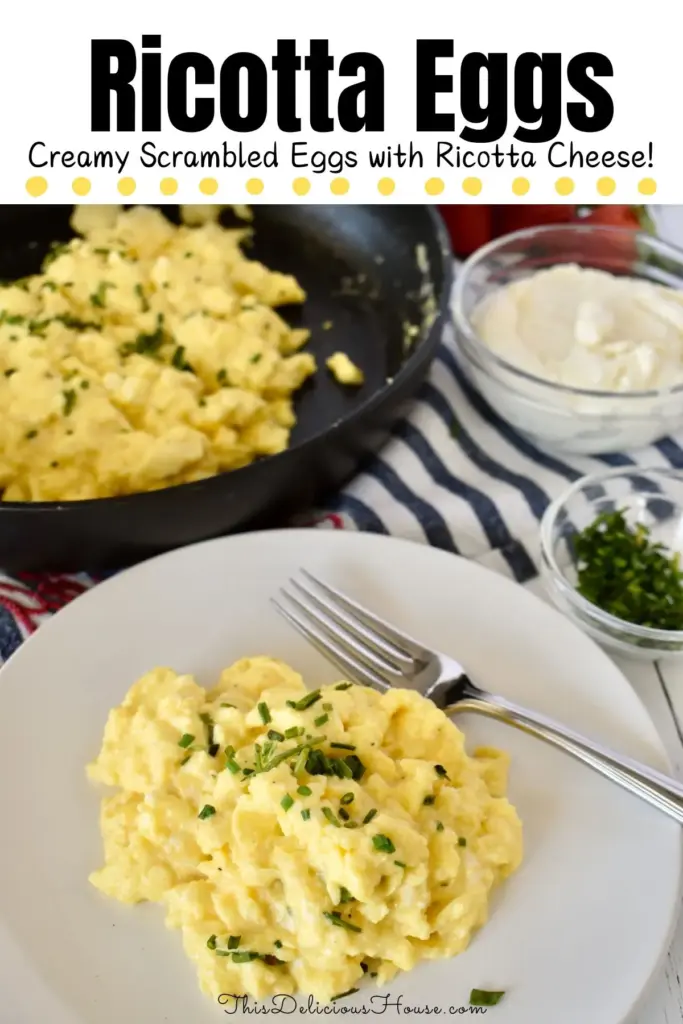
Ricotta scrambled eggs earn a permanent spot in my weekly rotation because they take the same effort as regular scrambled eggs but taste like something you'd order at a little cafe. The ricotta melts into the eggs and slows down the setting, so you get soft, spoonable curds instead of the rubbery ones that happen when you look away for ten seconds.
I keep a tub of whole-milk ricotta in the fridge for exactly this reason. A spoonful of butter, a pinch of salt, and a low flame do most of the work, and the whole pan comes together in under ten minutes once the eggs hit the heat. My kids eat it plain with toast; I like a shower of chives and a crack of black pepper on top.
One note before you start: this is a low-and-slow dish. If you crank the burner to save time, the ricotta will weep and the eggs will turn grainy. Patience here is the whole recipe.
Why You'll Love This Recipe
About the Ingredients
8 large eggs
Fresh eggs beat up fluffier; if you only have older ones, add an extra egg white to keep the volume. Room-temperature eggs blend into the ricotta more smoothly than cold ones.
1 cup (250g) whole-milk ricotta
Whole-milk ricotta is the creamiest; part-skim works but will be a touch drier, so add an extra tablespoon of butter. If your ricotta looks watery, drain it in a fine sieve for 10 minutes first.
3 tablespoons unsalted butter
Salted butter works too — just cut the added salt in half. Swap in olive oil if you're avoiding dairy in the butter, though the butter flavor is part of the charm.
1/2 teaspoon fine sea salt
Fine sea salt dissolves evenly; if you only have kosher, use a scant 3/4 teaspoon since the flakes are bigger. Taste the ricotta first — some brands are already salty.
1/4 teaspoon freshly ground black pepper
Fresh-cracked pepper is worth it here; pre-ground loses its bite fast. A pinch of white pepper is a good swap if you want the eggs to stay pristine white.
2 tablespoons chopped fresh chives
Chives add a mild oniony lift; thinly sliced scallion greens or a pinch of dried dill are easy swaps. Add them at the end so they stay bright green.
4 slices sourdough bread, toasted
Any sturdy bread works — rye, whole wheat, or a split bagel. Toast it before the eggs finish so it's still warm when you serve.
Tips & Tricks
Keep the heat low
Medium-low is the sweet spot — if the eggs start squeaking in the pan, pull it off the heat for 30 seconds.
Drain wet ricotta
If liquid pools in the tub, spoon the ricotta into a sieve for 10 minutes so it doesn't water down the eggs.
Pull them early
Take the pan off the heat while the eggs still look slightly glossy and underdone; carryover heat finishes them.
Salt the eggs, not the pan
Stir the salt into the beaten eggs so it seasons evenly instead of landing in one spot.
Pro Tips
Step-by-Step Instructions
1. Beat the eggs
Crack the eggs into a bowl, add the salt and pepper, and whisk for about 30 seconds until the yolks and whites are fully combined and slightly frothy. Whisk in the ricotta just until streaky — you want ribbons, not a uniform mixture.
2. Melt the butter
Set a 10-inch nonstick skillet over medium-low heat (about 300°F / 150°C) and add the butter. Let it melt and foam for 1 to 2 minutes until it smells nutty but hasn't browned.
3. Add the eggs
Pour in the egg mixture and let it sit undisturbed for 45 seconds, until the edges just begin to set. Then start folding with a rubber spatula, pushing the set edges toward the center.
4. Fold low and slow
Keep folding every 20 to 30 seconds for 4 to 6 minutes at 300°F / 150°C. The eggs are ready when they're softly set, glossy, and no longer runny — an instant-read thermometer should read 165°F / 74°C.
5. Pull off the heat
Slide the pan off the burner while the eggs still look a touch wetter than you want; they'll finish cooking in the hot pan for another 30 seconds. If they look dry, you've gone too far.
6. Finish and serve
Scatter the chives over the eggs, give one last gentle fold, and spoon onto the toasted sourdough. Add a crack of pepper and serve immediately.
Delicious Variations
Smoked Salmon Version
Fold in 3 ounces of flaked cold-smoked salmon and a tablespoon of capers at the very end for a brunch-worthy plate.
Herby Green Eggs
Swap the chives for 2 tablespoons of chopped basil and stir in 2 tablespoons of grated Parmesan for a pesto-adjacent twist.
Spicy Ricotta Eggs
Add 1/4 teaspoon of red pepper flakes to the butter and finish with a drizzle of chili crisp for a savory, fiery breakfast.
How to Store Ricotta Scrambled Eggs
Refrigerator
Store leftovers in an airtight container for up to 2 days; the ricotta may release a little liquid, so drain before reheating.
Freezer
Freezing isn't recommended — the ricotta turns grainy and the eggs weep when thawed.
Reheating
Reheat gently in a nonstick pan over low heat (about 250°F / 120°C) with a splash of milk, stirring for 1 to 2 minutes until loosened.
Frequently Asked Questions
Q: Can I use ricotta instead of milk in scrambled eggs?
Yes, ricotta can replace milk entirely and gives a thicker, creamier result than milk ever would. Use about 2 tablespoons of ricotta per egg and whisk it in before cooking.
Q: Why did my ricotta scrambled eggs turn watery?
Watery eggs usually mean the heat was too high or the ricotta was wet to begin with. Drain the ricotta in a sieve for 10 minutes and cook over medium-low heat (300°F / 150°C) so the cheese melts instead of weeping.
Q: What is the best ricotta for scrambled eggs?
Whole-milk ricotta is the best choice because its higher fat content melts smoothly and keeps the eggs custardy. Part-skim ricotta works but is drier, so add an extra tablespoon of butter to compensate.
Q: How do I keep scrambled eggs from sticking to the pan?
Use a nonstick skillet, preheat it on medium-low, and make sure the butter foams before the eggs go in. Stir with a rubber spatula that reaches the bottom of the pan so nothing sits and scorches.
Q: Can I make ricotta scrambled eggs ahead of time?
You can beat the eggs with the ricotta and store the mixture covered in the fridge for up to 24 hours before cooking. Cook them fresh, though — reheated scrambled eggs are never quite as soft.
Give these ricotta scrambled eggs a try on your next slow morning and see how creamy eggs can get without a drop of cream. Cook it your way, and tell me how it went.
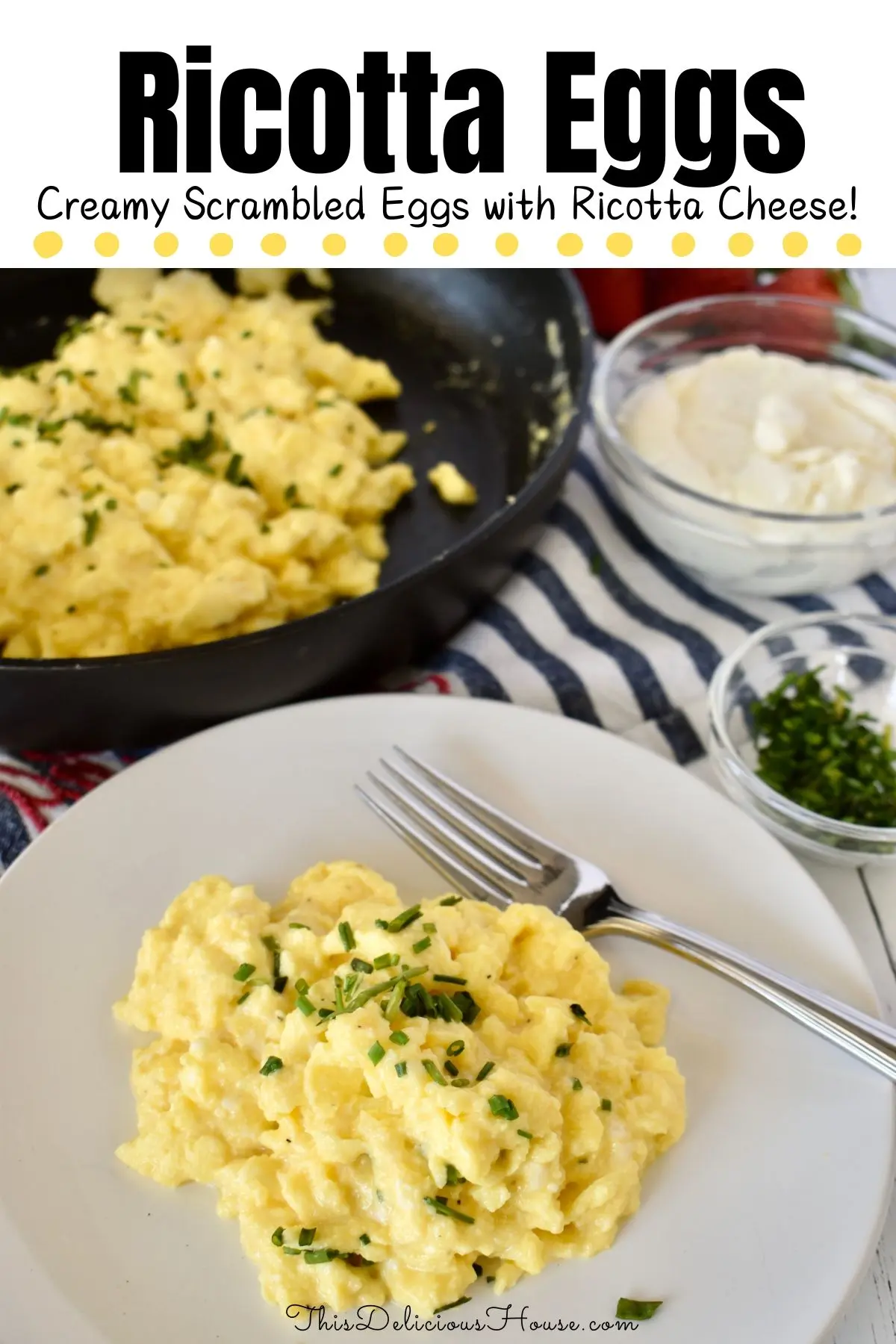
Ricotta Scrambled Eggs
Ricotta scrambled eggs turn humble eggs into a creamy, cloud-soft breakfast with 5 ingredients and 20 minutes, no fancy technique required.
🧂 Ingredients
- 8 large eggs
- 1 cup (250g) whole-milk ricotta
- 3 tablespoons unsalted butter
- 1/2 teaspoon fine sea salt
- 1/4 teaspoon freshly ground black pepper
- 2 tablespoons chopped fresh chives
- 4 slices sourdough bread, toasted
📋 Instructions
- 1Beat the eggs — Crack the eggs into a bowl, add the salt and pepper, and whisk for about 30 seconds until the yolks and whites are fully combined and slightly frothy. Whisk in the ricotta just until streaky — you want ribbons, not a uniform mixture.
- 2Melt the butter — Set a 10-inch nonstick skillet over medium-low heat (about 300°F / 150°C) and add the butter. Let it melt and foam for 1 to 2 minutes until it smells nutty but hasn't browned.
- 3Add the eggs — Pour in the egg mixture and let it sit undisturbed for 45 seconds, until the edges just begin to set. Then start folding with a rubber spatula, pushing the set edges toward the center.
- 4Fold low and slow — Keep folding every 20 to 30 seconds for 4 to 6 minutes at 300°F / 150°C. The eggs are ready when they're softly set, glossy, and no longer runny — an instant-read thermometer should read 165°F / 74°C.
- 5Pull off the heat — Slide the pan off the burner while the eggs still look a touch wetter than you want; they'll finish cooking in the hot pan for another 30 seconds. If they look dry, you've gone too far.
- 6Finish and serve — Scatter the chives over the eggs, give one last gentle fold, and spoon onto the toasted sourdough. Add a crack of pepper and serve immediately.

Mireille writes about weeknight cooking built around what is already in the pantry, with a focus on Haitian and Caribbean home dishes made simpler for busy kitchens. She favors short ingredient lists, honest substitutions, and recipes that forgive a missed step. Her angle is feeding a household well without a second trip to the store.