All Recipes Menu
Creamy Garlic Parmesan Chicken – 50-Minute One-Pan Dinner
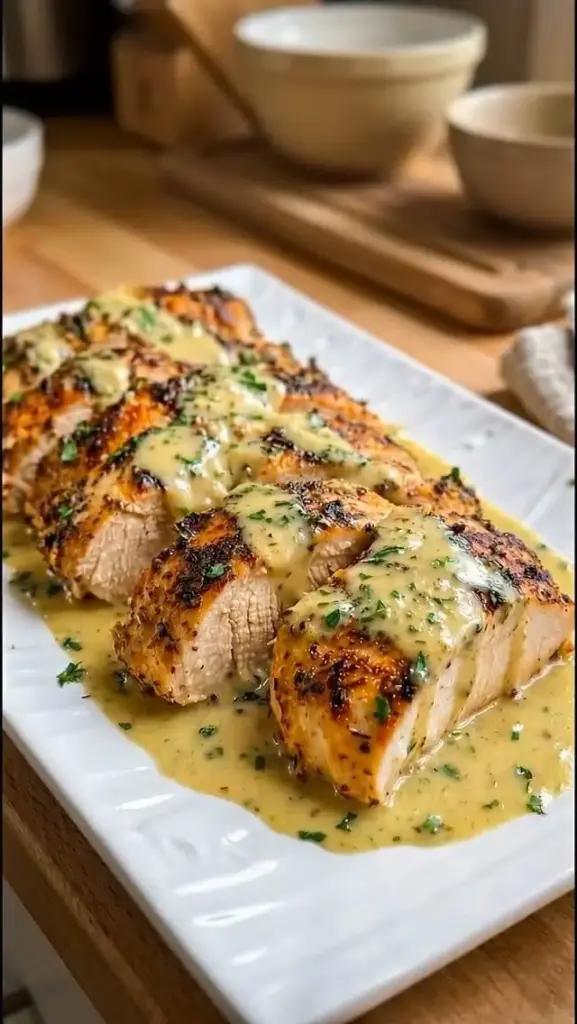
The moment butter hits the hot skillet and garlic starts to sizzle, you know something good is coming. That nutty, warm aroma curls through the kitchen right before the cream goes in and turns everything velvet.
This is the pan of chicken you make when you want dinner to feel like a treat but still have it on the table before the evening runs away. Sear the chicken until deeply golden, then let it rest while the same pan becomes a silky garlic parmesan cream you will want to spoon over everything.
You are going to build the sauce from the browned bits left behind, so do not rush the sear. That little layer of flavor is the whole point. Taste as you go, then taste again.
Why You'll Love This Recipe
About the Ingredients
6 boneless, skinless chicken breasts (about 2.25 lb / 1 kg total), pounded to 3/4-inch thickness
Even thickness means even cooking, so give thicker breasts a few firm taps with a rolling pin. No chicken breasts? Boneless thighs work beautifully and stay juicy even if you overshoot the time.
1 1/2 teaspoons kosher salt, plus more for the sauce
Kosher salt dissolves evenly and seasons gently; if you only have table salt, use about 1 teaspoon total since it is much saltier by volume. Taste the sauce before adding the final pinch.
3/4 teaspoon freshly ground black pepper
Fresh-cracked pepper blooms in the hot pan and tastes brighter than pre-ground. A pepper mill is worth the small splurge for this sauce.
2 tablespoons olive oil
Use regular (not extra-virgin) olive oil for the sear since it handles high heat better. Avocado oil is a great swap if you want a neutral flavor.
3 tablespoons unsalted butter, divided
Unsalted lets you control the salt level alongside the parmesan. If using salted butter, cut the added salt in the sauce by half.
6 cloves garlic, finely minced (about 2 tablespoons)
Fresh garlic is non-negotiable here; the jarred stuff tastes flat and slightly bitter. Mince it fine so it melts into the cream instead of burning.
1 cup (240 ml) low-sodium chicken broth
Low-sodium broth keeps the sauce from going salty once the parmesan goes in. Vegetable broth works if that is what you have on hand.
1 1/2 cups (360 ml) heavy cream
Heavy cream (36% fat) is what gives you that silky body; half-and-half will taste good but will be noticeably thinner. Do not boil it hard or it can split.
1 1/4 cups (100 g) freshly grated parmesan, plus extra for serving
Grate it yourself from a block; pre-shredded parmesan is coated in starch and clumps instead of melting smoothly. Pecorino Romano is a sharper, saltier swap.
2 tablespoons chopped fresh parsley, for garnish
Flat-leaf parsley adds a fresh, grassy finish that cuts the richness. Fresh basil or chives are lovely alternatives.
Tips & Tricks
Do not crowd the pan
Sear the chicken in two batches if needed, because a packed skillet steams the meat instead of browning it. You want golden crust, not gray chicken.
Keep the heat gentle for the garlic
Once the garlic smells toasty, in about 30 seconds, add the broth right away. Burnt garlic turns the whole sauce bitter and there is no fixing it.
- Grate the parmesan finely and add it off the heat: Stir it in with the pan off the burner so it melts smoothly instead of clumping into stringy bits.
Pro Tips
Step-by-Step Instructions
1. Season the chicken
Pat the breasts very dry with paper towels, then season both sides with the salt and pepper. Dry chicken is the secret to a crisp, golden crust, so do not skip this.
2. Sear until golden
Heat the olive oil in a large skillet over medium-high heat (about 375F / 190C) until it shimmers. Add the chicken and cook 5 to 6 minutes per side until deeply golden and the internal temperature reads 160F (71C). It should sound like a steady, confident sizzle, not a violent sputter.
3. Rest the chicken
Move the chicken to a plate and tent loosely with foil. Let it rest 5 minutes while you build the sauce; the carryover heat brings it to a safe 165F (74C).
4. Sizzle the garlic
Lower the heat to medium and melt 2 tablespoons of the butter in the same pan, scraping up the browned bits. Add the garlic and cook 30 to 45 seconds until fragrant and just barely golden, then pour in the broth immediately.
5. Reduce the broth
Simmer the broth for 3 to 4 minutes until it has reduced by about half and smells savory rather than sharp. This concentrates the flavor before the cream goes in.
6. Build the cream sauce
Pour in the cream and bring it to a gentle simmer over medium-low heat, about 2 minutes, until small bubbles ring the edges. Do not let it boil hard or the sauce can split.
7. Melt in the parmesan
Turn off the heat and whisk in the parmesan and remaining 1 tablespoon butter until the sauce is smooth and glossy. Taste and add a pinch of salt only if it needs it.
8. Return and serve
Nestle the chicken back into the pan with any resting juices and spoon sauce over the top. Garnish with parsley and extra parmesan, then serve right away.
Delicious Variations
Mushroom Upgrade
Saute 8 oz (225 g) sliced cremini mushrooms in the pan after the chicken and before the garlic for an earthy, meaty depth.
Spicy Garlic Kick
Add 1/4 teaspoon red pepper flakes with the garlic for a gentle heat that balances the cream.
Lemon-Herb Twist
Stir 1 teaspoon lemon zest and 1/2 teaspoon dried thyme into the sauce at the end for a brighter, herbaceous finish.
How to Store Garlic Parmesan Chicken in Silky Cream Sauce
Refrigerator
Store in an airtight container in the refrigerator for up to 3 days; keep the chicken submerged in sauce so it does not dry out.
Freezer
Freeze the chicken and sauce together for up to 2 months in a freezer-safe container; the cream sauce may look slightly grainy after thawing but will smooth out when reheated gently.
Reheating
Reheat gently in a covered skillet over low heat with a splash of broth or cream, stirring until the sauce loosens, about 5 to 7 minutes; avoid the microwave on high, which can split the cream.
Frequently Asked Questions
Q: How do I keep the cream sauce from curdling?
Keep the heat low and never let the cream come to a rolling boil. Add the parmesan off the heat and whisk constantly so it melts smoothly into the sauce.
Q: Can I make this garlic parmesan chicken ahead of time?
Yes, you can sear the chicken and make the sauce up to a day ahead, then reheat gently together on the stovetop. The sauce thickens in the fridge, so loosen it with a splash of broth as it warms.
Q: What should I serve with garlic parmesan chicken?
Crusty bread, pasta, or mashed potatoes are the classic pairings because they soak up the cream sauce. A simple green salad or roasted broccoli balances the richness nicely.
Q: Can I use half-and-half instead of heavy cream?
You can, but the sauce will be noticeably thinner and slightly less silky. If using half-and-half, simmer it a couple of minutes longer to thicken, and add the butter slowly.
Q: How do I know when the chicken is fully cooked?
Use an instant-read thermometer in the thickest part of the breast; it should read 165F (74C). If you do not have one, cut into the center and check that the juices run clear with no pink.
Grab your skillet and make this tonight, then pile the extra sauce over pasta or bread because you will not want to leave a drop behind. Taste as you go, then taste again.
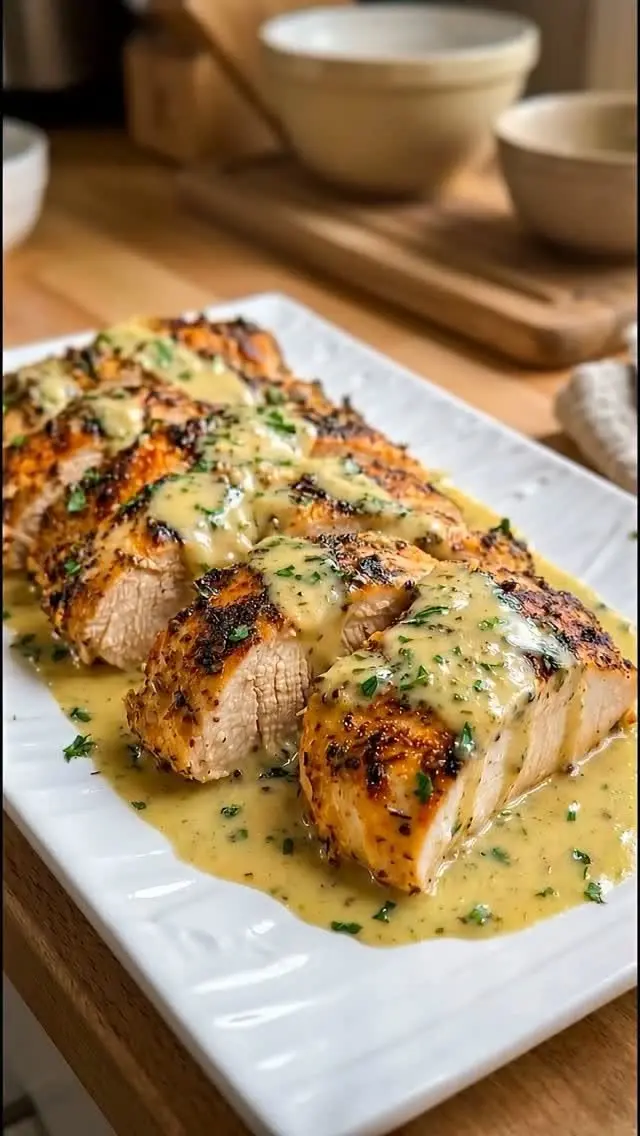
Garlic Parmesan Chicken in Silky Cream Sauce
Golden pan-seared chicken breasts in a silky garlic parmesan cream sauce, ready in 50 minutes for a rich, restaurant-style dinner at home.
🧂 Ingredients
- 6 boneless, skinless chicken breasts (about 2.25 lb / 1 kg total), pounded to 3/4-inch thickness
- 1 1/2 teaspoons kosher salt, plus more for the sauce
- 3/4 teaspoon freshly ground black pepper
- 2 tablespoons olive oil
- 3 tablespoons unsalted butter, divided
- 6 cloves garlic, finely minced (about 2 tablespoons)
- 1 cup (240 ml) low-sodium chicken broth
- 1 1/2 cups (360 ml) heavy cream
- 1 1/4 cups (100 g) freshly grated parmesan, plus extra for serving
- 2 tablespoons chopped fresh parsley, for garnish
📋 Instructions
- 1Season the chicken — Pat the breasts very dry with paper towels, then season both sides with the salt and pepper. Dry chicken is the secret to a crisp, golden crust, so do not skip this.
- 2Sear until golden — Heat the olive oil in a large skillet over medium-high heat (about 375F / 190C) until it shimmers. Add the chicken and cook 5 to 6 minutes per side until deeply golden and the internal temperature reads 160F (71C). It should sound like a steady, confident sizzle, not a violent sputter.
- 3Rest the chicken — Move the chicken to a plate and tent loosely with foil. Let it rest 5 minutes while you build the sauce; the carryover heat brings it to a safe 165F (74C).
- 4Sizzle the garlic — Lower the heat to medium and melt 2 tablespoons of the butter in the same pan, scraping up the browned bits. Add the garlic and cook 30 to 45 seconds until fragrant and just barely golden, then pour in the broth immediately.
- 5Reduce the broth — Simmer the broth for 3 to 4 minutes until it has reduced by about half and smells savory rather than sharp. This concentrates the flavor before the cream goes in.
- 6Build the cream sauce — Pour in the cream and bring it to a gentle simmer over medium-low heat, about 2 minutes, until small bubbles ring the edges. Do not let it boil hard or the sauce can split.
- 7Melt in the parmesan — Turn off the heat and whisk in the parmesan and remaining 1 tablespoon butter until the sauce is smooth and glossy. Taste and add a pinch of salt only if it needs it.
- 8Return and serve — Nestle the chicken back into the pan with any resting juices and spoon sauce over the top. Garnish with parsley and extra parmesan, then serve right away.

Priya writes about South Indian home cooking and the improvisation that happens in real kitchens, from quick weekday tiffins to slow weekend spreads. She is interested in how a single tempering of spices changes a dish and in adapting familiar recipes to what a cook has on hand. Her angle is playful, sensory recipe writing that treats cooking as something to tinker with.