All Recipes Menu
Creamy Chicken Bacon Ranch Pasta – 50-Minute Comfort
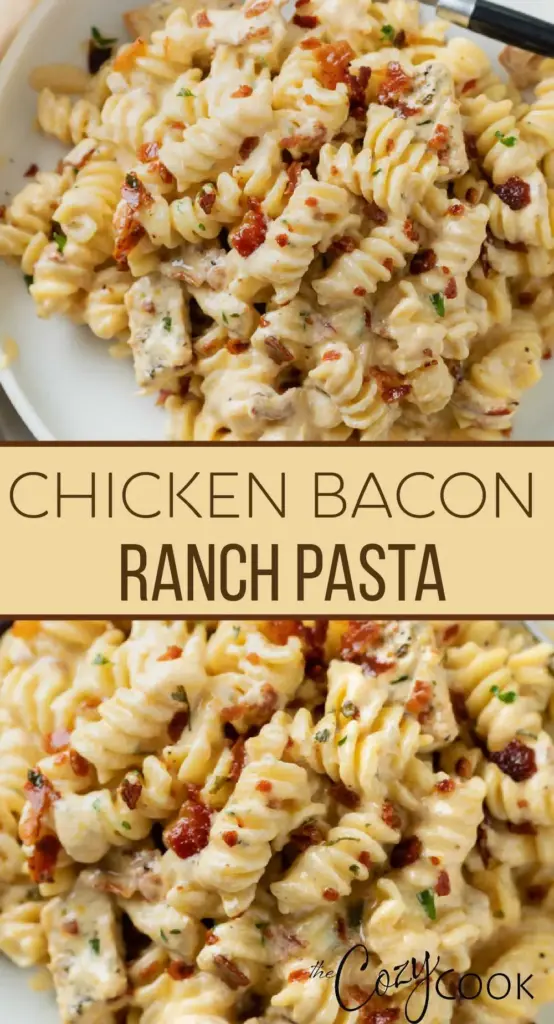
Chicken Bacon Ranch Pasta builds a sauce from the fat that renders out of bacon. You sear chicken in that fat, deglaze with stock, and finish with sour cream and ranch seasoning. The result is thick enough to coat each piece of pasta without breaking.
Weigh the pasta dry and the cream by grams. Volume measures for shredded cheese and sour cream drift by fifteen percent or more, and the sauce breaks when the ratio moves.
Cook the pasta one minute short of the package time. It finishes in the sauce and absorbs liquid there, which is why the dish stays creamy on the plate rather than pooling.
Why You'll Love This Recipe
About the Ingredients
340 g (12 oz) penne rigate
Ridged tubes hold the sauce better than smooth shapes. Fusilli or rigatoni work as substitutes; keep the dry weight the same.
170 g (6 oz) thick-cut bacon, cut into 2 cm pieces
Thick-cut renders slower and stays chewy. Buy bacon with visible lean streaks; fat-only strips shrink to nothing.
680 g (1.5 lb) boneless skinless chicken thighs, cut into 3 cm pieces
Thighs stay moist through the simmer. Chicken breast works but pull it at 74 C (165 F) internal and add it back at the end.
15 g (1 tbsp) neutral oil, only if the pan looks dry
Use it when your bacon is lean. Skip it if the skillet already shows a film of fat after step 2.
1 medium onion, about 150 g, diced
Yellow onion gives sweetness that balances the ranch tang. Shallots substitute at the same weight.
3 cloves garlic, about 12 g, minced
Fresh garlic, not powder, for this stage; the powder is already in the ranch mix. Jarred minced garlic works in a pinch at 1 tsp.
480 ml (2 cups) low-sodium chicken stock
Low-sodium matters because the ranch mix and bacon both carry salt. Water plus 1 tsp bouillon is a fine substitute.
240 ml (1 cup) heavy cream
Cream at 36 percent fat will not curdle. Half-and-half substitutes but reduce the simmer by 3 minutes to compensate for thinner body.
240 g (1 cup) sour cream, full fat
Full fat resists splitting. Greek yogurt substitutes but temper it with a ladle of hot sauce first, or it will grain.
1 packet (about 28 g) dry ranch seasoning mix
One standard packet equals roughly 3 tbsp of homemade blend. Check the packet weight; brands range from 20 to 30 g.
120 g (1 cup) shredded sharp cheddar
Shred it yourself from a block; pre-shredded cheese is coated with starch and clumps. Monterey Jack melts more smoothly if you prefer.
20 g (1/3 cup) thinly sliced scallions
Slice on the bias for visible green. Chives substitute; add them after the heat is off so they keep color.
Tips & Tricks
Do not drain all the bacon fat
Leave about 2 tbsp in the skillet; it is the searing medium and the flavor base.
Temper the sour cream
Whisk a ladle of hot sauce into the sour cream off the heat before adding it back, which prevents curdling.
Undercook the pasta by one minute
It finishes in the sauce and absorbs flavor instead of water.
Hold the cheese off the boil
Add cheddar with the heat off, or the proteins tighten and the sauce turns grainy.
Pro Tips
Step-by-Step Instructions
1. Boil the pasta
Bring 4 liters of water to a rolling boil and add 40 g salt. Cook 340 g penne for 1 minute less than the package time, then reserve 240 ml (1 cup) pasta water and drain. (The pasta finishes cooking in the sauce, so it should still have a firm center.)
2. Render the bacon
Set a 30 cm (12 inch) skillet over medium heat and add 170 g bacon pieces. Cook 7 to 9 minutes, stirring twice, until the fat runs clear and the edges turn deep brown. (Slow rendering keeps the bacon chewy rather than brittle.)
3. Sear the chicken
Remove the bacon with a slotted spoon and leave about 2 tbsp fat in the pan. Raise heat to medium-high, add 680 g chicken in one layer, and sear 4 minutes per side until golden brown at the edges and 74 C (165 F) internal. (Crowding the pan steams the meat, so work in two batches if needed.) Transfer the chicken to the bacon plate.
4. Soften the aromatics
Lower heat to medium and add 150 g onion to the skillet. Cook 4 minutes until translucent and starting to color at the edges, then add 12 g garlic and cook 45 seconds until fragrant. (Garlic burns in under a minute at this heat, so keep it moving.)
5. Build the sauce
Pour in 480 ml stock and 240 ml cream, scraping the brown bits off the bottom with a wooden spoon. Simmer 5 minutes until the liquid reduces by about a third and coats the spoon. (Scraping dissolves the fond, which is most of the flavor.)
6. Whisk in the ranch and sour cream
Pull the skillet off the heat and whisk 240 g sour cream with 28 g ranch mix in a bowl. Add a ladle of hot sauce to the bowl, whisk, then stir the mixture back into the skillet. (Tempering raises the sour cream temperature gradually so it does not split.)
7. Combine pasta and chicken
Return the chicken and bacon to the skillet with the drained pasta and toss over low heat for 2 minutes. Add reserved pasta water 2 tbsp at a time if the sauce looks tight. (The sauce should cling to the penne and pool slowly at the pan edges.)
8. Finish with cheese
Turn off the heat, scatter 120 g cheddar over the top, and stir once until it melts into streaks. Rest 3 minutes, then top with 20 g scallions. (Residual heat melts the cheese without breaking the emulsion.)
Delicious Variations
Broccoli ranch version
Add 300 g blanched broccoli florets with the pasta in step 7 for a green, denser plate.
Spicy chipotle version
Stir 2 minced chipotles in adobo into the onions in step 4; the smoke cuts the cream.
Baked casserole version
Transfer the finished skillet to a 200 C (400 F) oven for 10 minutes under 80 g extra cheddar until the top bubbles.
How to Store Chicken Bacon Ranch Pasta
Refrigerator
Store in an airtight container up to 4 days; press plastic wrap onto the surface to stop a skin forming.
Freezer
Freeze in portions up to 2 months; cream sauces loosen after thawing, so plan to reheat gently.
Reheating
Reheat on the stovetop over low heat with 2 tbsp stock per portion, stirring until loose and hot, about 5 minutes.
Frequently Asked Questions
Q: Can I make chicken bacon ranch pasta ahead of time?
Yes, assemble it up to the cheese stage and refrigerate up to 24 hours, then reheat gently and add the cheddar off the heat. Hold the scallions until serving so they stay green.
Q: Why did my ranch pasta sauce curdle?
The sour cream hit too much heat at once. Temper it with a ladle of hot sauce first and add it with the burner off.
Q: Can I use ranch dressing instead of dry mix?
Yes, use 180 ml (3/4 cup) ranch dressing and cut the cream to 120 ml (1/2 cup). Add the dressing off the heat, as bottled dressing splits faster than the dry mix.
Q: Is chicken bacon ranch pasta spicy?
No, dry ranch seasoning is tangy and herby, not hot. The black pepper in the packet is the only heat, and it is mild.
Q: How many calories are in a serving?
About 745 calories per serving at six servings. The number is driven by the cream, cheese and bacon, so a lighter swap drops it by roughly 120 calories.
Weigh the cream and cheese, watch the sear and the simmer, and the sauce will hold. Cook it once as written, then adjust the ranch to your taste. Weigh, watch, repeat.
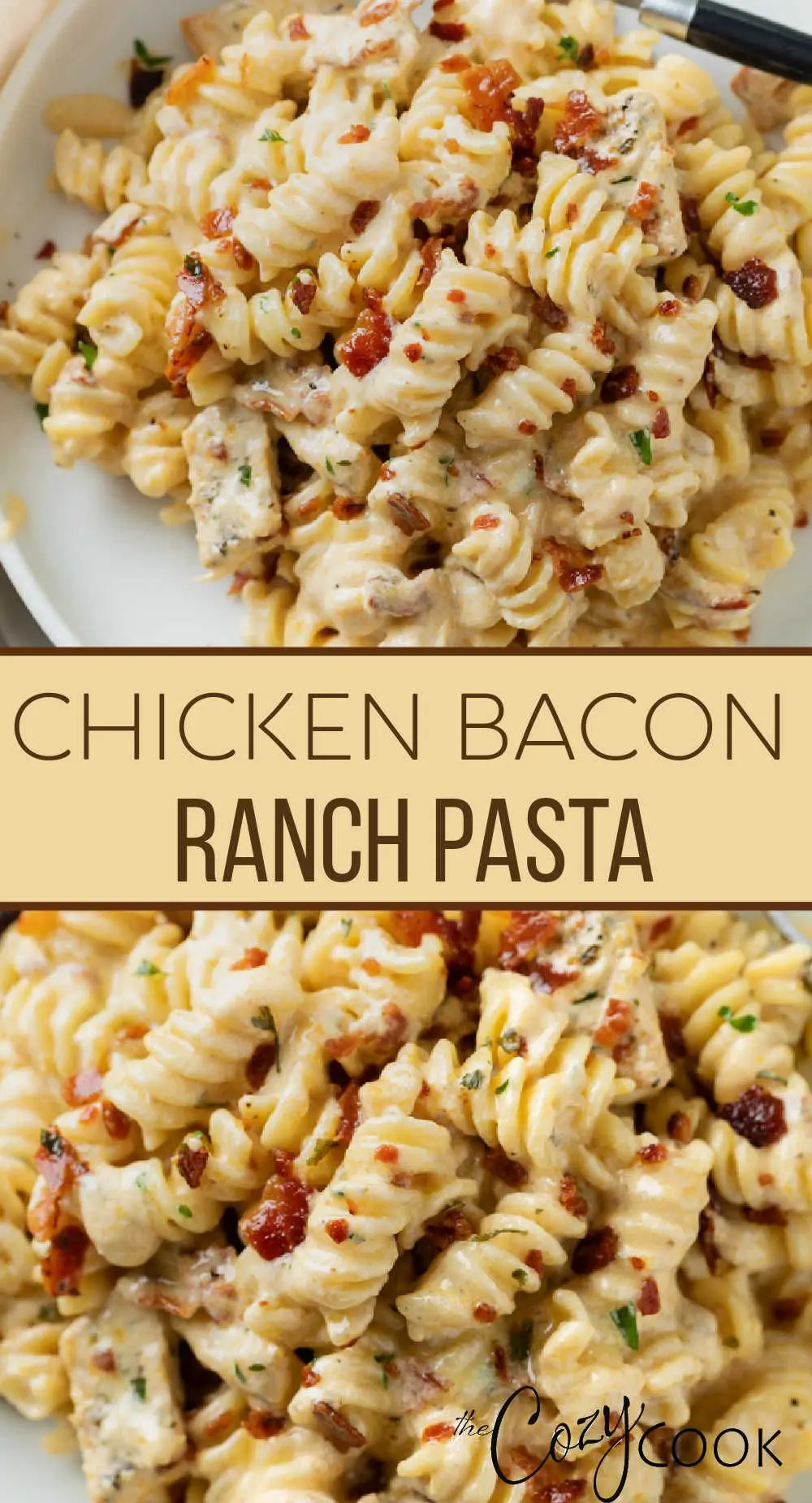
Chicken Bacon Ranch Pasta
Chicken Bacon Ranch Pasta is a creamy one-skillet dinner with crisp bacon, seared chicken and a ranch-spiked cream sauce ready in 50 minutes.
🧂 Ingredients
- 340 g (12 oz) penne rigate
- 170 g (6 oz) thick-cut bacon, cut into 2 cm pieces
- 680 g (1.5 lb) boneless skinless chicken thighs, cut into 3 cm pieces
- 15 g (1 tbsp) neutral oil, only if the pan looks dry
- 1 medium onion, about 150 g, diced
- 3 cloves garlic, about 12 g, minced
- 480 ml (2 cups) low-sodium chicken stock
- 240 ml (1 cup) heavy cream
- 240 g (1 cup) sour cream, full fat
- 1 packet (about 28 g) dry ranch seasoning mix
- 120 g (1 cup) shredded sharp cheddar
- 20 g (1/3 cup) thinly sliced scallions
📋 Instructions
- 1Boil the pasta — Bring 4 liters of water to a rolling boil and add 40 g salt. Cook 340 g penne for 1 minute less than the package time, then reserve 240 ml (1 cup) pasta water and drain. (The pasta finishes cooking in the sauce, so it should still have a firm center.)
- 2Render the bacon — Set a 30 cm (12 inch) skillet over medium heat and add 170 g bacon pieces. Cook 7 to 9 minutes, stirring twice, until the fat runs clear and the edges turn deep brown. (Slow rendering keeps the bacon chewy rather than brittle.)
- 3Sear the chicken — Remove the bacon with a slotted spoon and leave about 2 tbsp fat in the pan. Raise heat to medium-high, add 680 g chicken in one layer, and sear 4 minutes per side until golden brown at the edges and 74 C (165 F) internal. (Crowding the pan steams the meat, so work in two batches if needed.) Transfer the chicken to the bacon plate.
- 4Soften the aromatics — Lower heat to medium and add 150 g onion to the skillet. Cook 4 minutes until translucent and starting to color at the edges, then add 12 g garlic and cook 45 seconds until fragrant. (Garlic burns in under a minute at this heat, so keep it moving.)
- 5Build the sauce — Pour in 480 ml stock and 240 ml cream, scraping the brown bits off the bottom with a wooden spoon. Simmer 5 minutes until the liquid reduces by about a third and coats the spoon. (Scraping dissolves the fond, which is most of the flavor.)
- 6Whisk in the ranch and sour cream — Pull the skillet off the heat and whisk 240 g sour cream with 28 g ranch mix in a bowl. Add a ladle of hot sauce to the bowl, whisk, then stir the mixture back into the skillet. (Tempering raises the sour cream temperature gradually so it does not split.)
- 7Combine pasta and chicken — Return the chicken and bacon to the skillet with the drained pasta and toss over low heat for 2 minutes. Add reserved pasta water 2 tbsp at a time if the sauce looks tight. (The sauce should cling to the penne and pool slowly at the pan edges.)
- 8Finish with cheese — Turn off the heat, scatter 120 g cheddar over the top, and stir once until it melts into streaks. Rest 3 minutes, then top with 20 g scallions. (Residual heat melts the cheese without breaking the emulsion.)

Tomasz writes precise, method-first recipes for breads, ferments, and slow braises, drawing on Polish and Central European home cooking. He cares about weights, temperatures, and timing, and explains the reason behind each step so cooks can repeat results. His angle is turning fussy techniques into clear, checkable instructions.