All Recipes Menu
Cilantro Lime Honey Garlic Shrimp Skillet – 20-Minute Dinner
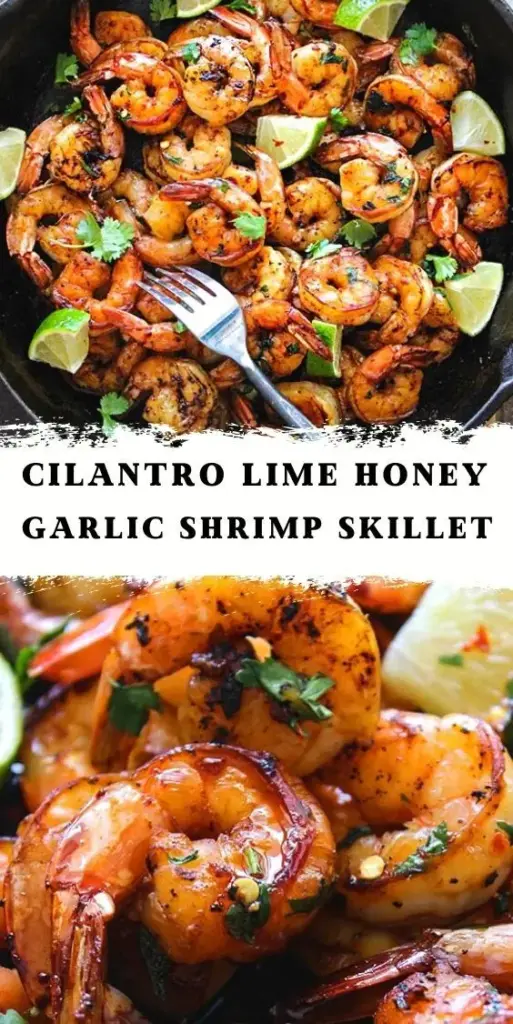
The moment honey hits the hot garlic butter in the pan, your kitchen smells like a citrus grove that caught fire in the best way. That sizzle is your signal the shrimp are about to get a glossy, sticky glaze you'll want to spoon over rice.
This is the skillet I make when the fridge is half empty and the clock is loud. Shrimp cook in about four minutes total, so the whole bright, garlicky thing lands on the table faster than delivery can ring your doorbell.
Keep your lime zest and juice separate from the honey until the end, and you'll get that fresh green punch instead of a flat, cooked-citrus taste. Taste as you go, then taste again.
Why You'll Love This Recipe
About the Ingredients
2 lb (900g) large raw shrimp, peeled and deveined, tails on
Tails on look gorgeous and protect the meat from overcooking; buy frozen and thaw overnight in the fridge if fresh isn't available. Pat them bone-dry so they sear instead of steam.
3 tbsp (63g) honey
Runny wildflower honey glazes best; if yours is crystallized, microwave it for 15 seconds. Maple syrup works as a swap but browns faster, so lower the heat slightly.
4 cloves garlic, finely minced (about 1 tbsp)
Fresh garlic only here, since the paste turns bitter under high heat. A microplane gives you the finest mince and keeps the pieces from burning.
3 tbsp (42g) unsalted butter
Divided use: half for searing, half for the glaze. Olive oil can replace it, but butter is what gives that nutty, restaurant-style finish.
2 tbsp fresh lime juice, plus zest of 1 lime
Zest first, then juice, or you'll be wrestling a naked lime. Bottled juice is a last resort; add an extra pinch of zest to compensate.
1 tsp kosher salt
Kosher salt seasons evenly and dissolves into the glaze; use half the amount if you only have fine table salt. Skip salting if your shrimp came brined.
1/2 tsp freshly cracked black pepper
Crack it coarse so it blooms in the butter. White pepper is a milder swap if you want the glaze to stay pale and pretty.
1/2 tsp red pepper flakes
Adds a slow warmth that balances the honey; leave the seeds in for more heat. Smoked paprika is a good mild substitute for a different, smoky angle.
1/3 cup chopped fresh cilantro
Stems included, they carry as much flavor as the leaves. Flat-leaf parsley is the go-to substitute if you're in the cilantro-soap camp.
2 tbsp neutral oil, for searing
Avocado or canola both hold up to high heat; olive oil smokes too early here. Use just enough to coat the pan thinly.
Lime wedges and cooked jasmine rice, for serving
Rice soaks up the pan glaze, which is arguably the best part. Cauliflower rice or crusty bread works just as well.
Tips & Tricks
Don't Crowd the Pan
Shrimp release water when packed together and steam instead of sear, so cook in two batches if your skillet is smaller than 12 inches.
Watch the Garlic
Add it after the shrimp are flipped, not before, so it turns golden and fragrant instead of bitter and brown.
Pull Them Early
Shrimp keep cooking in the hot glaze, so take them off at just-pink and let the residual heat finish the job.
Zest Before Juicing
A zested lime is a juiced lime, and you only get one shot at that bright oil.
Pro Tips
Step-by-Step Instructions
1. Pat and Season
Pat the shrimp very dry with paper towels, then toss with the kosher salt and black pepper in a bowl. Let them sit at room temperature for 10 minutes while you chop the garlic and cilantro.
2. Whisk the Glaze
Stir the honey, lime juice, and lime zest together in a small bowl until smooth. Set it beside the stove, because once the shrimp hit the pan there is no time to hunt for it.
3. Heat the Skillet
Set a 12-inch skillet over medium-high heat (about 400°F / 205°C) and add the neutral oil. Wait until the oil shimmers and a drop of water sizzles on contact, about 2 minutes.
4. Sear the Shrimp
Lay the shrimp in a single layer and cook undisturbed for 90 seconds until the undersides turn opaque and golden at the edges. Flip and cook 60 to 90 seconds more, until they curl into a loose C shape and read 120°F (49°C) on an instant-read thermometer.
5. Bloom the Garlic
Push the shrimp to one side, drop the heat to medium, and add half the butter and all the garlic. Stir for 20 to 30 seconds, just until you smell it and it turns pale gold, not brown.
6. Glaze and Finish
Pour in the honey-lime mixture and toss everything for 45 to 60 seconds, until the sauce bubbles at the edges and coats the shrimp in a shiny film. Kill the heat and swirl in the remaining butter and the red pepper flakes.
7. Shower with Cilantro
Scatter the chopped cilantro over the top and squeeze one lime wedge across the pan. Serve immediately over jasmine rice with extra wedges on the side.
Delicious Variations
Coconut-Chili Shrimp
Swap 2 tablespoons of the honey for coconut milk and add a sliced serrano for a creamy, tropical kick.
Garlic Butter Shrimp Tacos
Skip the rice, warm corn tortillas, and pile in the shrimp with shredded cabbage and a lime crema.
Sheet-Pan Version
Toss everything with 1 lb of broccoli florets and roast at 425°F (220°C) for 12 minutes for a hands-off dinner.
How to Store Cilantro Lime Honey Garlic Shrimp Skillet
Refrigerator
Store in an airtight container for up to 2 days; the glaze loosens as it sits, so reheat gently.
Freezer
Freeze the cooled shrimp and glaze in a sealed bag for up to 1 month; thaw overnight in the fridge.
Reheating
Warm in a skillet over medium-low heat (about 300°F / 150°C) for 2 to 3 minutes with a splash of water, just until hot; the microwave toughens shrimp fast.
Frequently Asked Questions
Q: How do I know when shrimp are fully cooked?
Shrimp are done when they curl into a loose C shape, turn opaque white with pink edges, and reach 120°F (49°C) internally. An overcooked shrimp curls into a tight O and turns rubbery, so pull them early.
Q: Can I make this cilantro lime honey garlic shrimp ahead of time?
You can whisk the glaze and peel the shrimp up to a day ahead, but sear them right before serving for the best texture. Reheated shrimp soften, so cook only what you plan to eat.
Q: Why did my honey garlic sauce turn bitter?
The garlic most likely burned, since honey and high heat scorch quickly. Add the garlic after the shrimp are flipped, lower the heat to medium, and stir constantly for no more than 30 seconds.
Q: Is this shrimp recipe spicy?
It's gently warm rather than hot, thanks to just half a teaspoon of red pepper flakes. For a truly mild version, leave the flakes out entirely and add an extra squeeze of lime.
Q: What can I use instead of cilantro?
Flat-leaf parsley is the closest substitute, with a fresher, less polarizing flavor. Basil or mint also work in a pinch and give the dish a different but still bright finish.
Grab your biggest skillet, get that honey and lime whisked, and let the sizzle tell you when dinner is ready. Taste as you go, then taste again.
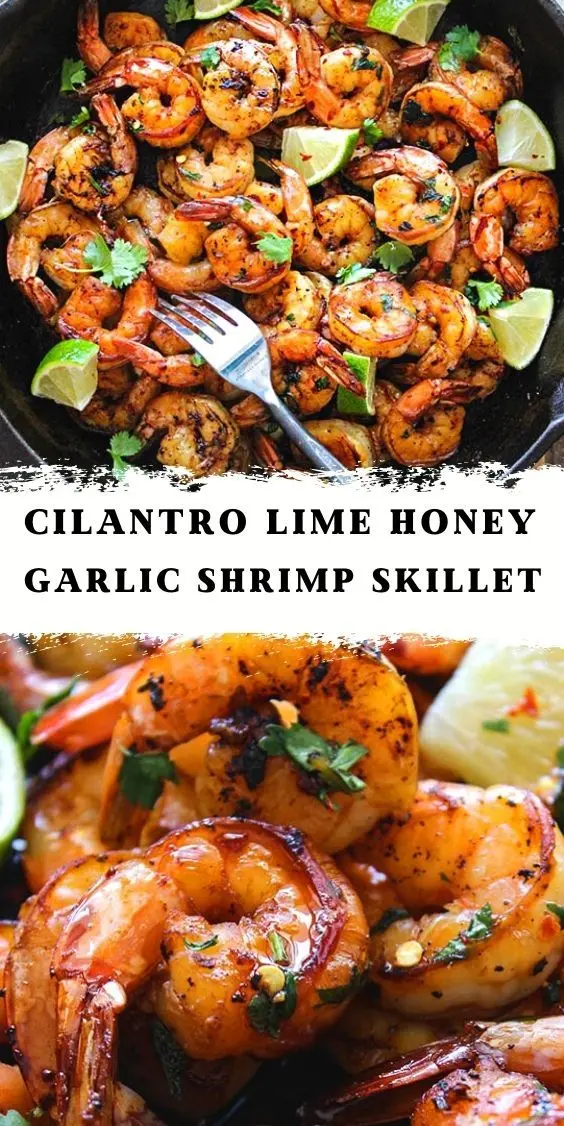
Cilantro Lime Honey Garlic Shrimp Skillet
Cilantro Lime Honey Garlic Shrimp Skillet: sweet-tangy shrimp seared in one pan in 20 minutes for a bright, garlicky weeknight dinner everyone loves.
🧂 Ingredients
- 2 lb (900g) large raw shrimp, peeled and deveined, tails on
- 3 tbsp (63g) honey
- 4 cloves garlic, finely minced (about 1 tbsp)
- 3 tbsp (42g) unsalted butter
- 2 tbsp fresh lime juice, plus zest of 1 lime
- 1 tsp kosher salt
- 1/2 tsp freshly cracked black pepper
- 1/2 tsp red pepper flakes
- 1/3 cup chopped fresh cilantro
- 2 tbsp neutral oil, for searing
- Lime wedges and cooked jasmine rice, for serving
📋 Instructions
- 1Pat and Season — Pat the shrimp very dry with paper towels, then toss with the kosher salt and black pepper in a bowl. Let them sit at room temperature for 10 minutes while you chop the garlic and cilantro.
- 2Whisk the Glaze — Stir the honey, lime juice, and lime zest together in a small bowl until smooth. Set it beside the stove, because once the shrimp hit the pan there is no time to hunt for it.
- 3Heat the Skillet — Set a 12-inch skillet over medium-high heat (about 400°F / 205°C) and add the neutral oil. Wait until the oil shimmers and a drop of water sizzles on contact, about 2 minutes.
- 4Sear the Shrimp — Lay the shrimp in a single layer and cook undisturbed for 90 seconds until the undersides turn opaque and golden at the edges. Flip and cook 60 to 90 seconds more, until they curl into a loose C shape and read 120°F (49°C) on an instant-read thermometer.
- 5Bloom the Garlic — Push the shrimp to one side, drop the heat to medium, and add half the butter and all the garlic. Stir for 20 to 30 seconds, just until you smell it and it turns pale gold, not brown.
- 6Glaze and Finish — Pour in the honey-lime mixture and toss everything for 45 to 60 seconds, until the sauce bubbles at the edges and coats the shrimp in a shiny film. Kill the heat and swirl in the remaining butter and the red pepper flakes.
- 7Shower with Cilantro — Scatter the chopped cilantro over the top and squeeze one lime wedge across the pan. Serve immediately over jasmine rice with extra wedges on the side.

Priya writes about South Indian home cooking and the improvisation that happens in real kitchens, from quick weekday tiffins to slow weekend spreads. She is interested in how a single tempering of spices changes a dish and in adapting familiar recipes to what a cook has on hand. Her angle is playful, sensory recipe writing that treats cooking as something to tinker with.