Make cooking fun, easy, and enjoyable



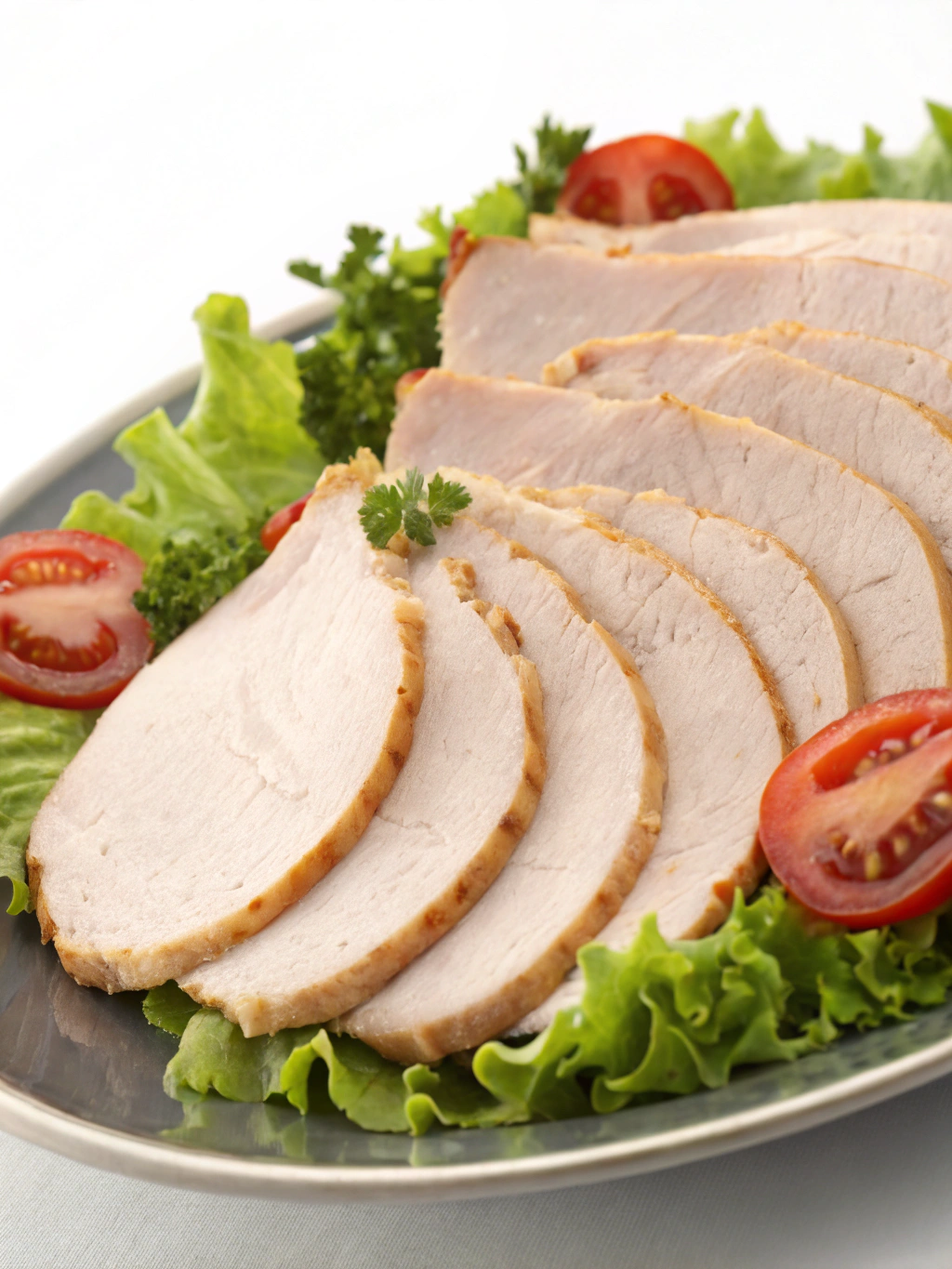
Have you ever stood in front of the deli counter, overwhelmed by the variety of lunch meats, wondering which turkey options won’t sabotage your health goals? With dozens of brands claiming to be “natural” or “healthy,” how can you be sure you’re making the best choice for your family?
Navigating the world of turkey breast lunch meat can be confusing. From sodium content to preservatives, there’s a lot to consider beyond just calories. In this comprehensive guide, I’ll walk you through everything you need to know to select truly healthy options that don’t compromise on flavor.
Table of Contents
Ingredients to Look For in Healthy Turkey Breast Lunch Meat
When evaluating turkey breast lunch meat, the ingredient list is your most valuable tool. Here’s what to look for in the healthiest options:
- Turkey breast – Should be the first ingredient (ideally “whole turkey breast” rather than “turkey breast meat”)
- Water – A normal ingredient in most processed meats
- Sea salt – Preferable to regular salt, though still watch sodium levels
- Natural flavors – Generally acceptable, though this is a broad term
- Rosemary extract – A natural preservative
- Cultured celery powder – A natural source of nitrates (better than artificial nitrates)
Avoid products containing caramel coloring, BHA/BHT, sodium phosphates, carrageenan, and artificial nitrates or nitrites. These additives have been linked to various health concerns and indicate a more heavily processed product.
Timing Your Selection Process
Taking the time to properly select healthy turkey breast lunch meat will save you from health issues down the road. Here’s a time breakdown:
Research time: 15-20 minutes to familiarize yourself with brands and ingredients to avoid
Shopping time: An additional 5-10 minutes at the deli counter or refrigerated section to read labels
Total time investment: 20-30 minutes, which is minimal compared to the long-term health benefits of choosing wisely
Step-by-Step Instructions for Selecting Healthy Turkey Breast
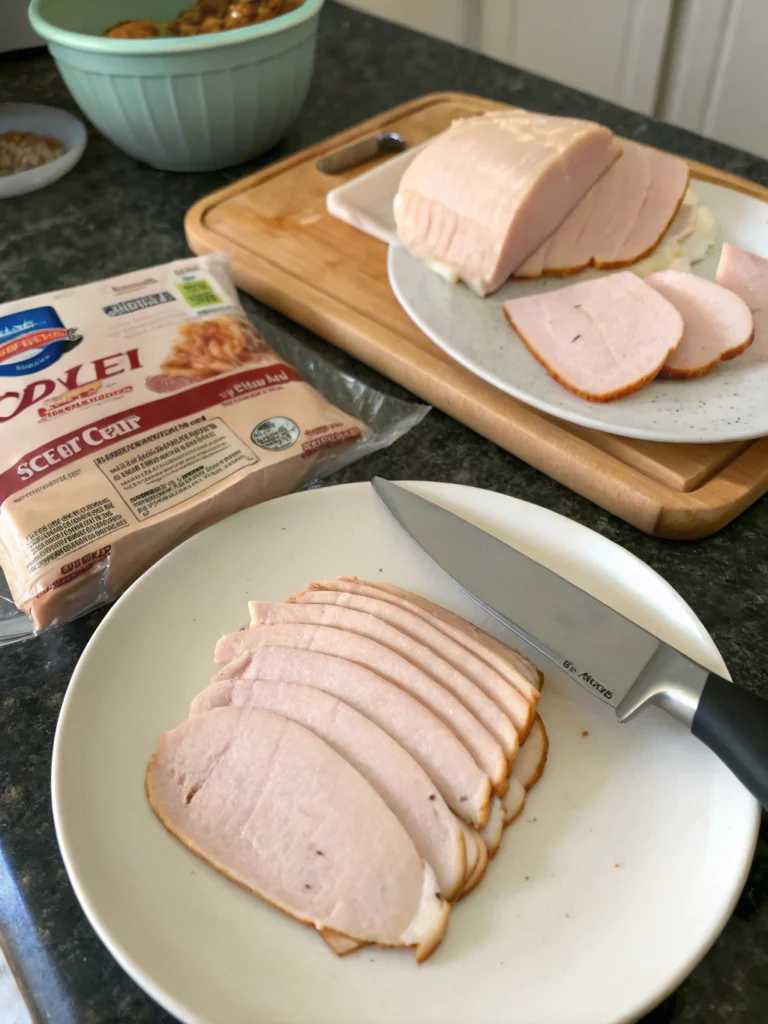
Step 1: Check the Ingredient List
Turn the package over and examine the ingredients. The shorter the list, the better. Ideally, you want to see “turkey breast” as the first ingredient, followed by minimal additives. If the list contains chemicals you can’t pronounce or wouldn’t cook with at home, consider it a red flag.
Step 2: Evaluate Sodium Content
Check the nutrition facts panel for sodium content. Healthy turkey breast lunch meat should contain no more than 360mg of sodium per 2-ounce serving. Lower sodium options (around 240mg per serving) are even better, especially if you’re monitoring blood pressure.
Step 3: Look for Nitrate-Free Options
Seek out packages labeled “no nitrates or nitrites added” or “uncured.” Be aware that some products use celery powder or celery juice as a natural source of nitrates. While potentially better than synthetic versions, these are still nitrates.
Step 4: Consider the Processing Method
Opt for minimally processed options. Look for terms like “oven-roasted,” “slow-roasted,” or “hand-carved” rather than “formed,” “chopped and formed,” or “mechanically separated.” These indicate less processing and typically a higher quality product.
Step 5: Verify Fat Content
Check that the product contains less than 3 grams of fat per serving. Turkey breast is naturally lean, so higher fat content suggests added ingredients or that the product contains dark meat as well.
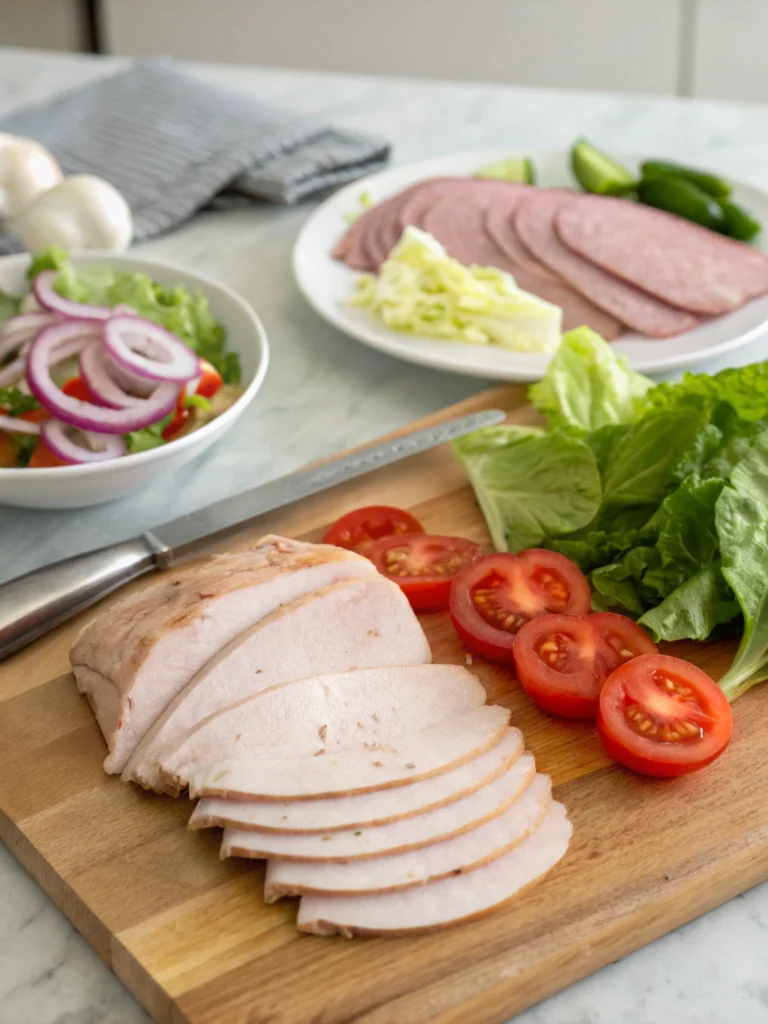
Nutritional Information
Understanding the sliced deli turkey nutrition profile is crucial when making healthy choices. Here’s what to expect from a 2-ounce (56g) serving of quality turkey breast lunch meat:
Calories: 50-70 calories
Protein: 10-13 grams (providing 20-26% of the daily recommended protein intake)
Fat: 0.5-2.5 grams (with minimal saturated fat)
Carbohydrates: 0-2 grams
Sodium: 240-360mg (10-15% of recommended daily intake)
Turkey breast is an excellent source of lean protein, providing essential amino acids for muscle maintenance and growth. It also contains B vitamins, particularly niacin and B6, which support energy metabolism and brain function.
Healthier Alternatives for Turkey Breast Lunch Meat
If you’re concerned about processed meats, consider these healthier alternatives:
1. Home-roasted turkey breast: Roast your own turkey breast and slice it thinly for sandwiches. This gives you complete control over ingredients and sodium levels.
2. Rotisserie chicken: Many grocery stores offer preservative-free rotisserie chickens that can be sliced for sandwiches.
3. Plant-based alternatives: For those reducing meat consumption, several plant-based deli slices mimic the texture and flavor of turkey while offering different nutritional benefits.
4. Canned wild salmon: For a complete protein switch, consider mashed canned salmon with a touch of mayo as a sandwich filling.
Serving Suggestions
Healthy turkey breast doesn’t have to mean boring sandwiches. Here are some creative ways to enjoy it:
Turkey Pinwheels: Spread a thin layer of hummus on a whole grain wrap, add turkey slices, fresh spinach, and thinly sliced bell peppers before rolling up and slicing.
Protein-Packed Salad: Top a bed of mixed greens with turkey slices, hard-boiled eggs, chickpeas, and a variety of colorful vegetables for a complete meal.
Turkey Breakfast Cups: Line muffin tins with turkey slices, crack an egg into each cup, and bake for a high-protein breakfast option.
Mediterranean Plate: Arrange turkey slices with cucumber, cherry tomatoes, olives, feta cheese, and a small serving of hummus for a satisfying lunch.
Common Mistakes to Avoid
- Focusing only on fat content: Low-fat options sometimes compensate with added sodium or sugar. Look at the complete nutritional profile.
- Ignoring serving sizes: Manufacturers sometimes list unrealistically small serving sizes to make nutritional values appear better. Check if the listed serving matches your typical usage.
- Being misled by “natural” claims: The term “natural” isn’t strictly regulated. Always check the ingredient list regardless of front-label claims.
- Overlooking sodium content: Even organic or “healthy” labeled turkey can contain excessive sodium. This is especially important if you have hypertension or heart concerns.
- Assuming all turkey is created equal: There’s a vast quality difference between premium deli turkey and budget pre-packaged options.
Storing Tips for Turkey Breast Lunch Meat
Proper storage extends freshness and prevents food waste:
Refrigeration: Store unopened packages in the coldest part of your refrigerator (usually the back). Once opened, consume within 3-5 days.
Resealable packaging: If the original packaging isn’t resealable, transfer turkey to an airtight container or zip-top bag, removing as much air as possible.
Freezing option: Most turkey breast lunch meat can be frozen for up to 2 months. Separate slices with parchment paper before freezing for easy thawing of individual portions.
Visible indicators: Discard turkey that develops a slimy texture, off odor, or color changes regardless of the expiration date.
Conclusion
Finding healthy turkey breast lunch meat doesn’t have to be complicated once you know what to look for. By focusing on minimal ingredients, appropriate sodium levels, and avoiding harmful additives, you can enjoy this convenient protein source as part of a balanced diet.
Ready to make better choices at the deli counter? Start by checking the ingredient lists on your current favorites, and don’t be afraid to ask questions at the deli counter about their freshest, least processed options. Your body will thank you for taking the time to select truly nourishing foods for yourself and your family.
Have you found a particularly healthy turkey breast brand that you love? Share your discoveries in the comments below to help others make informed choices!
There are no reviews yet. Be the first one to write one.